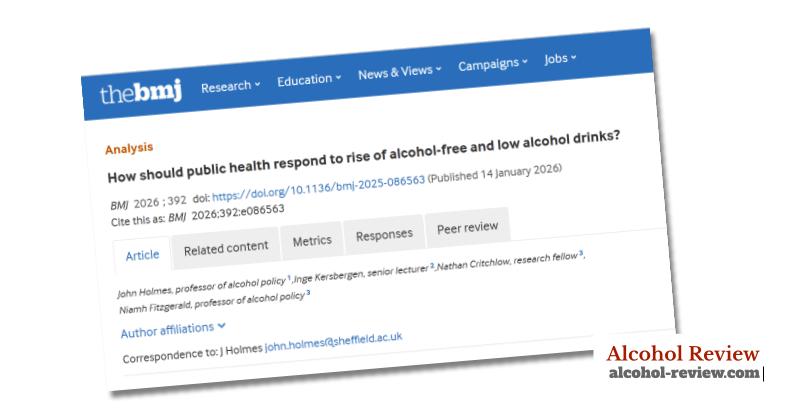
“As with e-cigarettes and reformulated foods, we should not take market-led solutions to public health problems at face value,” wrote a group of prominent alcohol harm researchers about no-lo drinks in the BMJ this week.
There is currently no clear evidence for no-lo drinks taking the place of alcohol products to any significant degree, the piece says. Where there is some the effects “may be too small to deliver substantial health gains”. No-lo sales may be rising, but they may be supplanting soft drinks not alcoholic ones.
“No-lo drinks present risks to wider public health policy,” the piece warns. Giving alcohol interests undue credit for contributing to a reduction in alcohol harm with no-los might allow them to pose as “contributors to reducing alcohol related harm”. In turn this would give alcohol interests undue influence over policy-making, it warns.
Noting alcohol-free Corona Cero’s recent Olympic sponsorship deal, the piece says, “Ensuring alcohol marketing codes apply the same rules to no-lo drinks would prevent this encroachment of alcohol brands into previously alcohol-free forums.”
——–
AR comment: We should not credit no-los with the status of a solution to our alcohol problems before there is any solid evidence. Alcohol-free drinks been around for a while and a miracle has yet to occur. And yet the breathless coverage leaves a different impression.
Further research is, of course, always welcome, but common sense is a useful guide in the meantime. Alcohol companies would surely not promote a product which would seriously undermine their core business, that of selling an addictive product.
To give the benefit of the doubt on this not only gives alcohol interests a foot in the door to health policy discussions, it allows them to crowd out discussion of harm reduction policies that have solid evidence to back them up. There is good reason to resist the hype.
On the individual level it is surely wrong to emphasis the benefit of replacing one type of drink with another. Promoting no-los encourages us to participate in the trickiest scenarios to navigate minus alcohol.
Instead, why not encourage a wider focus on recreational activities which are not centred on beverages of any kind? ■