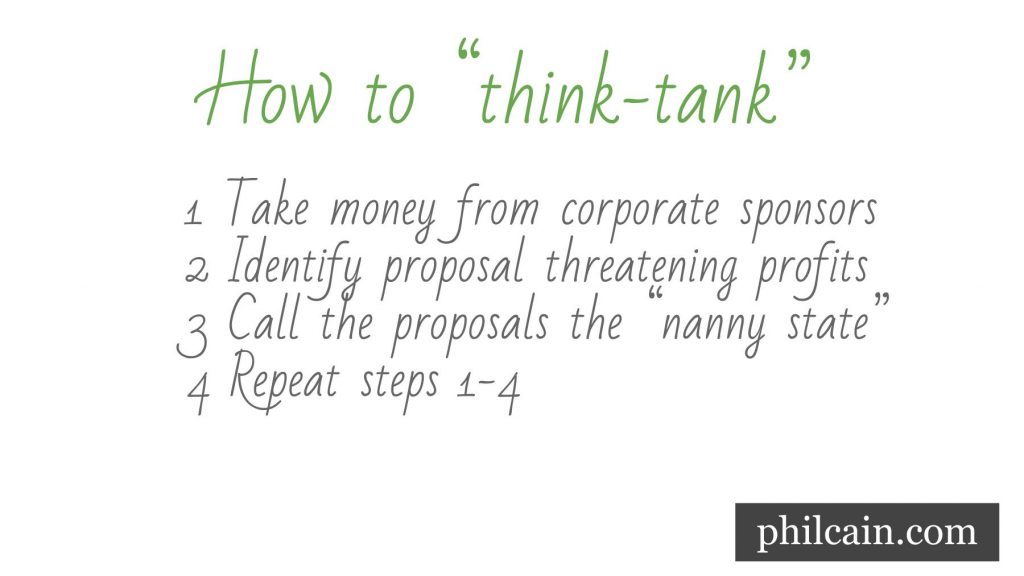
How to think-tank
Alcohol understanding for all
by Simon Bratt, Staffordshire University

In the UK it’s estimated that 86% of people who access treatment for alcohol use experience mental health problems. Similarly, 70% of people in treatment for drug dependency also have a mental illness. For those people that report coexisting mental health difficulties, depressive and anxiety symptoms tend to be the most common.
Often people with substance use issues find getting help for their mental health is difficult and frustrating – as there’s often the view from mental health professionals that patients need to stop using drugs or alcohol before they can access treatment.
But herein lies the problem because, for many people, using a substance can be the way they cope – or mask mental health difficulties. Asking them to stop using drugs or alcohol means taking away their coping strategy and without immediate support it’s likely that person will return to using substances to cope with psychological distress.
This often leads to a revolving-door scenario, whereby the person will ask for support from mental health services only to be told to stop using substances. They stop using substances but can’t get support for months thanks to long waiting lists, so end up returning to substance use to cope.
‘Dual diagnosis’
Someone with both a mental illness and substance use disorder is considered to have a “dual diagnosis” – a concept that emerged in 1990. Back in 2002, the Department of Health reported that supporting people with dual diagnosis was one of the biggest challenges facing frontline mental health services.
The report highlighted how fragmented care leads to people falling between the cracks in services. It warned that “patients should not be shunted between different sets of services or put at risk of dropping out of care completely”.
The report also stated that people with dual problems deserve high-quality, patient-focused and integrated care, which should be delivered within mental health services. But 18 years on from these findings, sadly nothing has changed – if anything things have got worse.
Treatment and recovery
As part of my ongoing PhD research, I sent a freedom of information request to every mental health trust within England. I wanted to find out if high-quality and integrated care exists for people with a dual diagnosis.

Many suicides involve people with mental health problems and substance dependency. Viajero/Pexels
The results show that only 58% of the NHS trusts record data about people with a dual diagnosis and that only 28% of those trusts had specific teams that offered treatment. The remaining trusts outsourced treatment to voluntary or private sector substance use services. This means that where you live affects the type of care you will be given – creating a postcode lottery for people trying to access support and treatment.
From the data I collected, only 11,486 UK patients were recorded to have a dual diagnosis. Yet it’s estimated that 586,780 people are alcohol dependent in the UK – so it’s likely that the real figure is far higher.
A crisis on the frontline
There are several reasons why the data collected is not a true reflection of the prevalence of dual diagnosis – and one reason is the term itself. There isn’t a clear definition of “dual diagnosis” – and services often develop their own local word or use the term “co-occurring mental illness and substance use” instead.
Another reason is that people with a substance dependency may not go to the doctors for help with their mental health for fear of being rejected. Hearing the words: “We can’t treat your mental health if you are using substances” is becoming the norm for people with a substance use. This discrimination and stigmatisation puts people’s lives at risk.

People can fall between the cracks and struggle to access any help or support. pexels/sarah dietz
COVID-19 has presented significant challenges to UK healthcare systems and public health policies. Disruption has led to community-based services grinding to a halt due to the redeployment of healthcare workers and quarantine restrictions. People with a dual diagnosis not only suffer from their mental health and substance use, but most will also have multiple needs. Some will have experienced significant trauma, live in poverty, may be known to the criminal justice system and have little or no support in the community.
Research has shown how past crises significantly affected the more vulnerable in society, leading to an increase in substance use. So it would be remiss to think that mental health difficulties and substance use will not increase in the wake of the pandemic. In fact it runs the risk of overwhelming an already exhausted NHS.
This is why an integrated approach to care is needed, as well as a culture change in terms of how healthcare professionals work with and treat people with mental health problems and substance use. The stigma must be banished now – before it’s too late. ■
■
Simon Bratt, Mental Health Social Worker and PhD Candidate, Staffordshire University
Note: This article is republished from The Conversation under a Creative Commons license. Read the original article.
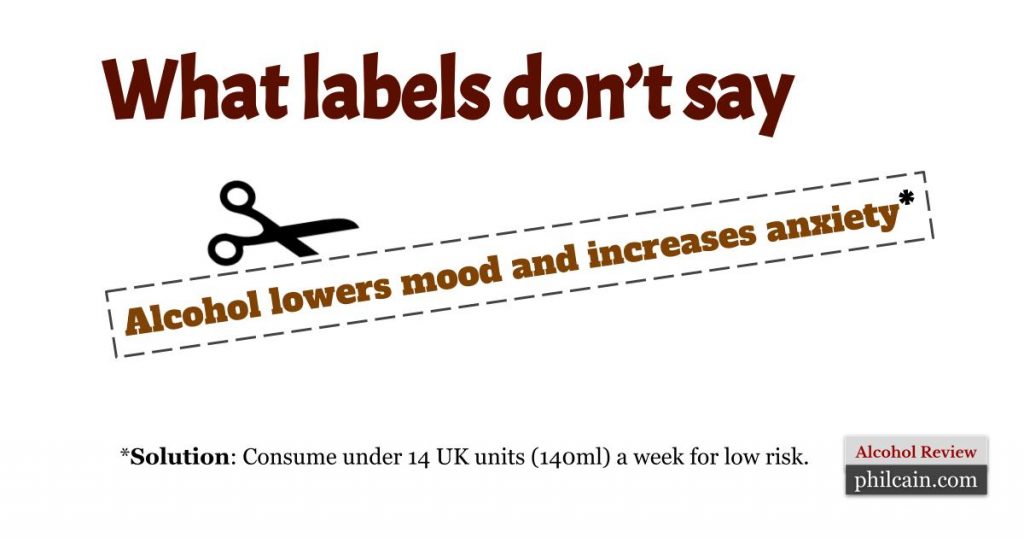

Consistently drinking little or no alcohol is a solid foundation for our mental health. So why don’t we say so?
Alcohol worsens and causes common aggravations like low mood and anxiety, while prolonging our recovery from traumatic events. So why would we make our lives harder?
There is not a one-size-fits-all alcohol guidelines for mental health, but the UK’s low-risk guidelines of drinking no more than 14 units (140ml) a week is, perhaps, a reasonable starting point.
Avoiding drinking entirely can be easier than trying to drink little. So a “sober sprint” like Dry January could be a good way to begin a long-term low-risk drinking lifestyle.
Finding our bounce
Developing an ability to cope with life’s slings and arrows of outrageous fortune without drinking alcohol tends to be better for our mental health in the long term.
Drinking alcohol has the opposite effect, worsening our mood and increasing our anxiety, although it may seem otherwise. This misleading impression can make it hard to go without it.
This misconception can mean we drink heavily when we suffer more significant traumas, and this may mean we start developing side-effects when we are alcohol-free, including low mood and anxiety.
Drinking more than a small amount of alcohol increases our chances of suffering more psychological discomforts. We are all likely to feel better for reducing this risk.
Drinking little or no alcohol is the best way to spare ourselves such needless mental anguish in the long term. This applies to everyone, regardless of our current drinking habits.
Lost in vaguery
This simple message is seldom clearly expressed. We tiptoe around it rather than simply telling people a simple fact which might spare them discomfort.
Counsellors and other caring professional are often loath to say it to clients, though the reasons for this reluctance are not easy for an outsider to understand.
Some say they do not want to “label” their clients, something they prefer to leave to the medical system. Perceived labelling, they say, would imperil the client-counsellor relationship.
There would also be, one counsellor says, legal risks to giving such advice too. Instead, then, counsellors prefer to point clients with alcohol worries to their GPs.
But patients often do not want to talk to their GPs. And GPs too can be squeamish about talking to their patients about our alcohol drinking, again for fear of dropping a clanger.
Put it straight
Wariness is understandable. But sensitivity should not get in the way of relaying simple information that can help us. The stigma around this advice is born of misunderstanding.
Observing that little or no alcohol drinking provides us the most reliable platform for better mental health applies to us all, regardless labels. ■
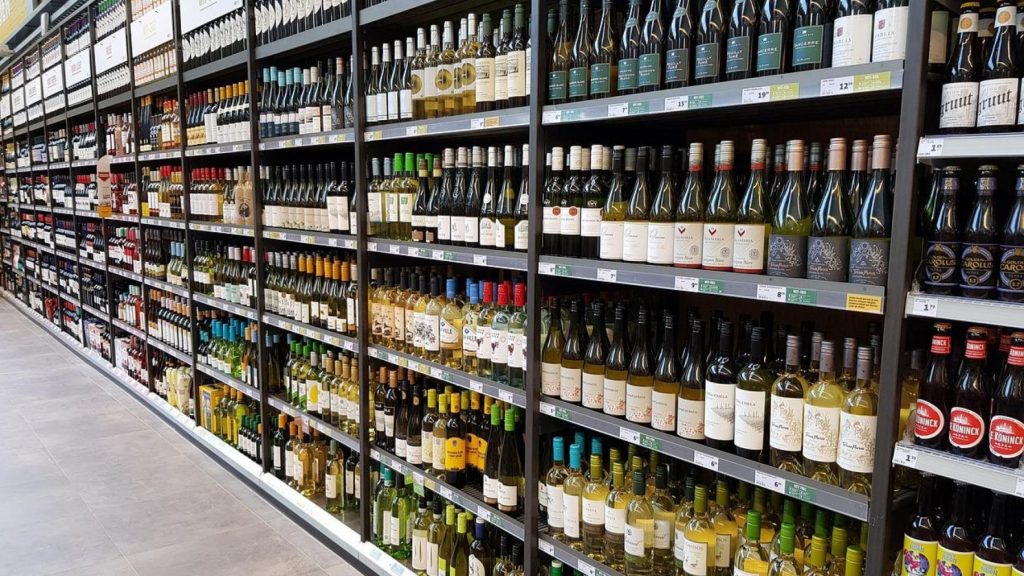
The UK public overwhelmingly supports experts’ calls for consumers to be given nutritional information, alcohol content and the official low-risk guidelines on alcoholic drinks.
“Why should alcohol continue to be exempt?” asks Sir Ian Gilmore, head of the Alcohol Health Alliance (AHA), pointing out that all other forms of food and drink must offer consumers such basic information.
Three-quarters of Brits want to be told the number of units in a product, something they currently have to work out, says a Yougov survey for the AHA. Two-thirds want calorie information and half sugar levels.
Three-quarters of people also want to be told the official low-risk guidelines of 14 units (140ml) a week, according to a regional survey by AHA member Balance North East.
The alcohol industry’s marketing body Portman Group abruptly dropped the UK’s official low risk guidelines from its labelling standards in 2017. Its promises to return them to all labels have not been fulfilled
The public also said being told the official low-risk guidelines was essential if unit information is given in a Royal Society for Public Health survey in 2018. And 86% said they used labels.
The new survey forms the backbone of a letter co-signed by 94 health experts calling for better alcohol labelling. Its intended recipient is Health Secretary Matt Hancock who took over the role 2018.
The letter also points out that than only one-in-five people in the UK know the five-year-old official drinking guidelines, and only one in ten yet identify cancer as a health consequence of alcohol. ■
by Emeka Dumbili, Lecturer, Nnamdi Azikiwe University

Alcohol consumption has a long history in Nigeria, especially in the southern region, where it was not forbidden by religion. In the past, only adult men were culturally allowed to drink. It was taboo for young people to drink alcohol because it was generally believed that “drinking was a sign of being an elder”.
Alcohol served multiple societal functions in the past. It flowed during celebrations and significant events. These included chieftaincy enthronements, new yam festivals, child naming ceremonies, and even funerals. Although drinking was central to almost every social gathering, intoxication was forbidden. Intoxicated drinkers were punished by the community elders, as a deterrent to others.
With help from the British colonial government, Nigeria’s drinking culture changed, ditching abstinence and moderation. The British colonial government relied heavily on revenue from alcohol taxes and levies. To increase their cash-flow, the British encouraged the availability and heavy drinking of imported alcoholic beverages. When Heineken-owned Nigerian Breweries and Guinness Nigeria were established in 1946 and 1962, their marketing targeted women and young people. Their marketing departments drove sales by associating alcohol consumption with modernity and sexual enhancement.
Nigeria is a key market for competing multinational alcohol companies. To gain market share, these companies have developed sophisticated and aggressive marketing methods targeting young people, including adolescents. Alcohol availability has tripled, and so has the number of heavy drinkers. Consequently, alcohol-related problems are also rising. Alcohol is associated with problems such as cancer, violence, sexually transmitted infections and truancy.
Nigeria lacks alcohol control policies. Alcohol production and marketing are largely unregulated. Multinational alcohol producers often employed marketing strategies outlawed in their countries of origin, to sell their brands in Nigeria. The results are evident. Research has shown that abstinence and moderate drinking are now uncool, and heavy drinking and intoxication make good badges of honour in Nigeria.

In my recent research, I examined why adolescents and young adults in Nigeria drink heavily, and why they consider it a source of fun or pleasure. I also recorded whether they saw heavy drinking as rebellion against traditionalist values. My research is important because it shows treating alcohol use as pathological, and denying pleasure-seeking as a motive for drinking, is no longer tenable in contemporary Nigeria. The study also shows that understanding these changing motives for drinking could inform interventions that target harmful drinking practices.
Deliberate intoxication for fun and pleasure
I interviewed 72 young people aged 18-24 years, who live in Benin City, Nigeria, to understand their perspectives. Most of the participants were students. They all agreed that drinking alcohol was fashionable in communities of young people. Sobriety was considered obsolete, and deliberate over-consumption of alcohol was common. The reason they gave was that young people just want to feel drunk.
According to my study, fun and excitement – directly and indirectly – were acceptable reasons for heavy drinking and intoxication. Individuals didn’t consider the associated reduced mental control a big deal.
I took whisky; I wanted to drink to stupor. I wanted to see how it felt like to be really drunk and misbehaving; that was my aim of drinking that way. So I drank and drank and drank until (I became drunk).
Another added:
There was a day I took one full glass of (Johnnie Walker) Red Label (40% alcohol by volume), and in less than 10–15 min, I couldn’t feel myself again. I could barely walk, my friend took me home … To me, it was fun. I felt the way I have never felt before, so that is fun … it was exciting because friends will now remind you that this was what you did and you cannot remember.
There are also gender aspects to youth drinking culture. Female participants who were filmed while drunk considered the clips hilarious. Male participants said they took turns in providing alcohol for members of their friendship networks. This practice is generally believed to strengthen friendship bonds. Although providing alcohol may in part be a means of reenacting the male-dominated traditional drinking practice in contemporary Nigeria, it also led to heavy drinking and intoxication.
Surprisingly, these youths believed they had not breached any social norms by drinking to intoxication. But they did admit it all came at a cost. Some had experienced negative events like hangovers, injuries, violence, and missing key academic tests while passed out from alcohol consumption.
Solution to drinking problems
The current lack of alcohol policies in Nigeria only serves the interests of alcohol producers to the detriment of public health. Even though alcohol is a legal drug, increasing evidence has shown that no amount is risk-free.
Policymakers should focus on providing information on low-risk drinking measures for legal drinkers. Tailored, evidence-based interventions that discourage heavy drinking and support safe drinking norms or abstinence should be developed in Nigeria.
Interventions should draw from the elements of local drinking cultures that prohibit heavy drinking and intoxication. Given the prominent role of friendship networks, policymakers should develop interventions using such platforms to promote safe consuming cultures and other pleasurable activities with zero or low risk.
The World Health Organisation has also developed effective strategies called SAFER to reduce alcohol abuse and related harm. Nigeria could also adopt similar measures. ■
■
This article is republished from The Conversation under a Creative Commons license.