• Skip to main content

Alcohol Review

Alcohol understanding for all

  • Highlights
  • AR2026
    • AR2025
    • Earlier events
  • Register
  • About
    • Organisers
    • Contact
  • Log In

story

#brainawarenessweek, consider Alcohol Companion

January 10, 2024

Alcohol has a profound impact on our brains and consequently our well-being. Understanding this more fully provides a powerful way to help us improve our lives, letting our brains to look after us better. So, to coincide with #brainawarenessweek, there is a 50% off Alcohol Companion using code FT6RK7J9 redeemable at the philcain.com bookshop. ■
Alcohol Companion birthday Kindle edition $9.99

January 10, 2024

Click the image below or here. ■

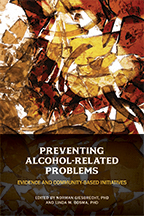
[book] Preventing Alcohol-Related Problems: Evidence and Community-based Initiatives | APHA Press

January 10, 2024

“… The book combines the latest research on community-level alcohol problems with success stories from community practitioners. …”

ISBN: 978-0-87553-291-2

Author: Edited by: Norman Giesbrecht and Linda M. Bosma
Publisher: APHA Press
Format: Soft Cover
Pages: 623
Publishing Date: 11/17

Source: secure.apha.org/imis/ItemDetail?iProductCode=978-087553-2912

[summary] The impact of minimum unit pricing in Wales | Government Social Research

January 10, 2024

Key points

  • Just under 2m adults in Wales drink alcohol, averaging 610 units a year, costing £607
  • Almost three quarters them drink within the UK guidelines of 14 units a week
  • Nevertheless around 777 deaths and 35,637 hospital admissions are directly caused by alcohol
  • Blood pressure accounts for 13,000 hospital admissions, mental health problems 9,000, liver disease 4,000 and cancer 2,000
  • Around 24% of drinkers drink at the potentially hazardous level of between 14 and 50 units a week for men and 14 to 35 units for women
  • And 4% of drinkers exceed these hazardous levels, practically guaranteeing harm
  • Hazardous and harmful drinkers together make up 28% of the drinking population, but consume 75% of alcohol units
  • The most deprived tend to drink less than average but suffer more, experiencing three times as many deaths as the best off
  • Moderate drinkers buy less than a quarter of their alcohol for under 50p a unit, while harmful drinkers buy almost a half
  • More units of off-trade wine are sold below 50p a unit than any other beverage
  • Modelling suggests harmful drinkers would see the biggest change if a 50p minimum unit price is introduced, with a 7% reduction in the units they consume, the equivalent of 110 large beers a year, and a £48 increase rise in yearly spending
  • The impact on moderate drinkers would be minimal, with an estimated reduction in annual consumption of 2.4 units, the amount in one large beer, and an increased annual spending of £3
  • For every 100,000 harmful drinkers the model suggests a 50p minimum unit price would avoid 56 deaths and 688 hospital admissions each year
  • Over two-thirds of the lives saved would be those of harmful drinkers

Source: http://gov.wales/docs/caecd/research/2017/171129-comparative-impact-minimum-unit-pricing-taxation-policies-interim-en.pdf

Alcohol is not a human “brain cleaner”

January 10, 2024

Recent headlines saying alcohol drinking “cleans brains” should not persuade humans to drink more.

“It is by no means a green light for people to drink more alcohol,” says Dr Claire Walton, research manager at the UK’s Alzheimer’s Society, about a study on mice which has triggered coverage hinting otherwise.

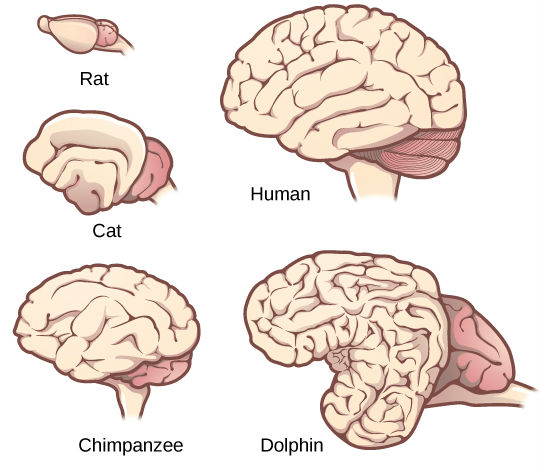
Mammal brains

It is a “big leap” to take a research finding for mice and apply it to people, she said. “There are just too many differences between mice and people to do this.” Drinking more than 14 UK units (140ml) of alcohol a week, meanwhile, definitely increases human alcohol-related dementia risk.

The study investigated the mouse’s brain waste-disposal system which might play a role in the development of Alzheimer’s disease. “This is a relatively new area of research, where there is a lot still to be learned.”

Alcohol had a long history of use as a medicine, but it has since been found to be counterproductive in all cases and fraught with other risks. It is no longer put to any medical use other than as a sterilising fluid because of its ability to kill cells.

Dubious ideas that alcohol drinking can have health benefits can help support our decisions to drink, in what is known by health professionals as alcohol’s false “health halo”. ■

Update: Alcohol strategy rift remains over conflicts of interest

January 10, 2024


There was no narrowing of the rift in the UK’s bid to tackle alcohol harm, which sprang open on Monday when a government health agency went into partnership with an alcohol industry-funded campaign, despite hearing strong opposition to the conflict of interests.

The “drink-free days” campaign will be entirely paid for by Drinkaware, an organisation receiving 92% of its £5.4m annual income from alcohol producers and others with interests in selling alcohol. It has committed to spend over £1m on the campaign this year.

“We will work together with any partner that speaks to the evidence and shares the same commitment,” Public Health England (PHE) told Alcohol Companion. “We brought our public health expertise and track record on delivering behaviour change campaigns.”

Drinkaware says it shares the same “aims and principles” as its new public sector partner. But it did not answer when asked if it would risk donors’ business interests to achieve public health goals? Critics conclude this is because of a conflict of interests.

Head of the Wine and Spirits Trade Association Miles Beale also would not say if his association’s members would continue to contribute to Drinkaware if the organisation’s work threatened their business interests. The alcohol industry wants “long-term customers”, he says.

PHE head Duncan Selbie said he would be “fiercely vigilant” about Drinkaware’s governance. Many, however, remain horrified. “As a profession, this potentially brings public health into national ridicule,” wrote one commentator on Twitter.

Sir Ian Gilmore, PHE adviser no more

A group of 40 health organisations, led by the Alcohol Health Alliance, objected to the deal last month. “We hoped they would see sense,” said one insider. AHA head Sir Ian Gilmore resigned as a PHE adviser this week and his tobacco counterpart John Britton may yet follow.

Drinkaware “misrepresents evidence and frames alcohol harms as solely an individual responsibility issue”, says Mark Petticrew, a long-time critic. The new venture “normalises the role of the alcohol industry in influencing public health”.

In particular Petticrew says Drinkaware downplays cancer risk as part of a wider strategy to neuter health advice to protect shareholder returns. A PHE evidence review has acknowledged potential problems of this kind.

PHE and Drinkaware say they will do separate evaluations and peer reviews of the campaign. Portman, the alcohol industry outfit which created Drinkaware, drew conclusions at odds with the findings of a joint health labelling study this year.

This site revealed Portman unilaterally dropped official health guidelines from its voluntary labelling standard in October. The attempt to restore them is led by the Department of Health and Social Care, but the PHE looked at the evidence and came down in favour of health labelling.

“Using labels to include information about the health risks and harms associated with alcohol can be implemented with relatively low-cost and will have a wide population reach,” the PHE’s review said in its 2016 review.

Few health professionals quibble with the idea behind “drink-free days”. Having two or more days a week without drinking alcohol may help older, steady drinkers cut down. It is already part of the Chief Medical Officer’s drinking guidelines.

A PR campaign for the idea began on Monday. This will be backed up with national radio and digital advertising which will direct people to a dedicated site. The Drinkaware board has yet to decide on budgets for 2019 and 2020.

Among the reasons the PHE gives for its partnership with Drinkaware is that the alcohol-business backed site had 9m unique visitors in 2017, an unaudited figure taken from Google Analytics. Most, it says, arrive from an organic search for an alcohol-related term.

“This is the first step in reframing our relationship with the alcohol industry,” PHE said its head, Mr Selbie. Some are finding the route being mapped out a more enticing prospect than others. ■


  • « Go to Previous Page
  • Page 1
  • Interim pages omitted …
  • Page 25
  • Page 26
  • Page 27
  • Page 28
  • Page 29
  • Interim pages omitted …
  • Page 44
  • Go to Next Page »

Copyright © 2026 · Phil Cain Impressum