• Skip to main content

Alcohol Review

Alcohol understanding for all

  • Highlights
  • AR2026
    • AR2025
    • Earlier events
  • Register
  • About
    • Organisers
    • Contact
  • Log In

alcohol

Guest post: Why we should call time on airport drinking

January 10, 2024

by Simon C Moore, Cardiff University

As the alcohol industry continues to make healthy profits, Britain is left counting the increasing cost of its unhealthy relationship with booze. From overstretched accident and emergency departments to a steady incidence of alcohol-related disease, the cost is massive. The most recent figures reveal that alcohol-related harms cost the NHS around £3.5 billion annually.

And the problems don’t end there. Often the erratic and antisocial behaviour of intoxicated people will have an impact on others. This becomes apparent when walking down any UK high street on a Saturday night, as you dodge obstacles from aggressive drinkers to broken glass.

Alcohol issues aren’t limited to towns and cities, either. Recently, budget airline Ryanair once again called for airports to introduce “preventative measures to curb excessive drinking”, following a flight that had to land unexpectedly when three passengers became disruptive. Airports are places where high security and order are paramount to safety so, really, no alcohol should be allowed whatsoever.

Drunk on board

In recent years, there have been several high profile incidents involving drunk passengers on planes – as well as countless other unreported events. In fact, figures show 387 people were arrested for being drunk at airports between February 2016 and February 2017 – up from 255 the previous year. And a BBC Panorama investigation has found that more than half of cabin crew have seen disruptive drunken passenger behaviour at UK airports.

Problems linked to alcohol consumption in airports and on planes include passengers being too drunk to board, or being out of control on planes. Those who do not board have their bags removed, causing delays for other passengers, while those who board drunk can cause disorder and endanger passenger safety – especially pertinent in the confines of an aeroplane where other passengers can become scared.
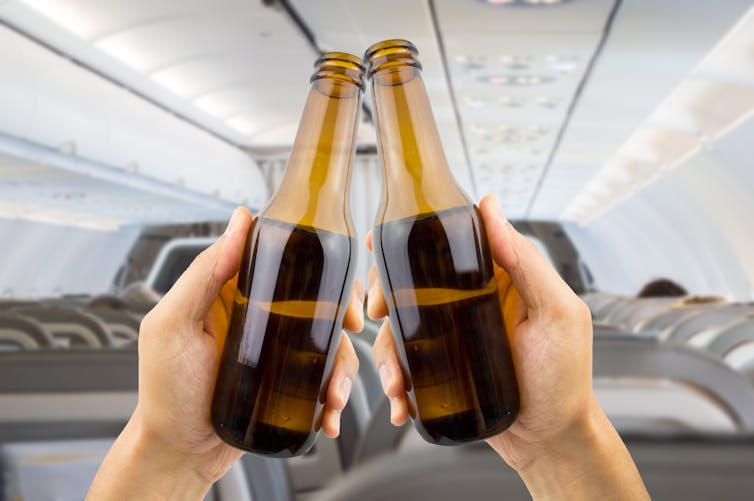
Cheers? [cunaplus/Shutterstock]

Drunk behaviour is not just disruptive to other passengers, however. Air travel involves a tightly integrated, complex set of processes and the effects of drunk passengers can impact this infrastructure. The number of professionals required for the safe management of drunks can divert resources away from normal service, potentially affecting security and the safety of other travellers.

Drunk people have reportedly tried to open plane doors and smash windows while in flight. The extent of drunkenness has caused planes in flight to divert so that the intoxicated and disorderly can be offloaded, again affecting all other passengers’ safety and convenience.

Licensing rules

The government is examining how alcohol is sold in airports, but they stop short of banning it altogether. Instead, restrictions have been proposed to end rules which allow airport bars and pubs to operate outside UK licensing laws. Limiting the number of drinks a passenger can have, both before and during flights, would almost certainly bring this number of alcohol-related incidents down, and result in fewer delays and a more secure and pleasant trip for passengers and staff.

It’s not about being puritanical. Choice is important and many choose to make alcohol an important part of many activities, including their holidays. At the same time, choices have been made to ensure the safety of air passengers and to keep flights running on time. Airport and aeroplane staff, given the choice, would probably prefer not to mop up vomit from those who have drunk too much – or worse, potentially put themselves in harm’s way to protect other passengers.

During air travel, travellers are contained in secure areas, with no choice over their fellow passengers. Removing the irrationality of intoxication from such an activity is not the tyranny of the majority, it is simply asking people to temporarily abstain until they reach their chosen destination. Many passengers choose not to drink and, given the choice, families would likely prefer that their children are not exposed to disorderly drunks.

No one has the right to cause harm to others and it is trivial to expect abstinence while passengers make their way to their destination, whether it is an alcohol-fuelled excursion, a family holiday or a business trip. For those who use alcohol to cope with anxiety, there are more effective and safer alternatives. For those who cannot go without alcohol there are many services available to help with dependence.

The ConversationUltimately, the needs of the many must outweigh the desires of a minority who want to “start their holiday early”. ■

Simon C Moore, Professor of Public Health Research, Co-Director of Crime and Security Research Institute and Director of Alcohol & Violence Research Group, Cardiff University This article was originally published on The Conversation. Read the original article.
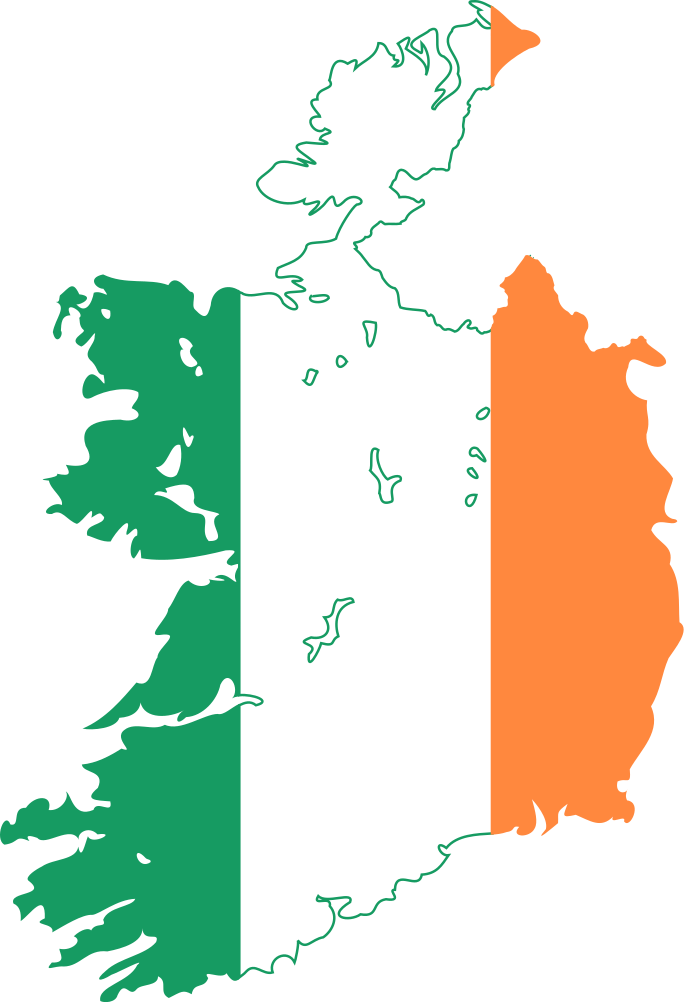
Ireland pioneers alcohol cancer warnings and minimum prices

January 10, 2024

Ireland’s upper house last week passed a long-awaited bill introducing minimum alcohol prices and requiring warnings of alcohol’s cancer risks and the protection of children from marketing.

According to the bill passed on Friday drinks labels will also need to list their ingredients for the first time. Ads as well as labels will have to include warnings of the cancer risk.

To stop children being weaned onto alcohol brands, shops will be required to hide alcohol marketing behind a 1.5m-high screen.

The bill will return to the Dáil, the lower house, next year. The government first introduced the bill in December 2015 and has been the subject of fierce lobbying since.

Ireland is the second country in the world to pass laws to require alcohol is sold above a minimum price after Scotland became the first in November.

Only Canada’s Yukon has so far introduced cancer warnings, and that is in a trial. ■

Be wary of “persistent hangovers” this Christmas

January 10, 2024

Feeling crummy more than a day after an alcohol session this Christmas should give us pause for thought.

The alcohol response of our brains changes depending on our alcohol exposure over the past few hours and days and, less obviously, that over the last few months and years.

In our student days and early twenties, for instance, many of us might drink enough to move our brains into the outer regions of dependency, where our neurons misbehave.

No klaxon accompanies this shift so we may never know it happened. And our recovery from it can happen without us knowing too, with our drinking levels falling as our circumstances change.

But we can also inch into dependency at any time if we drink heavily for long enough, perhaps triggered by friends, a trauma or Christmas. We can unwittingly inch out of dependence again too. But we can’t rely on it.

So how do we know where we stand? It is not easy. If we drink less than the UK guidelines of 14 units (140ml) of alcohol a week for months, there is little chance of a problem. If not, we can’t be so sure.

We can look for clues, however: If we binge-drink, the classic pattern of the enthusiastic “social drinker” in northern Europe and North America, then our recovery after a heavy one is a good place to look.

Overlong aftermath
Having routine hangovers means we are not looking after our brains very well and could eventually face difficulties. But discomfort within the first 24 hours is a normal reaction to an alcohol overdose.

But feeling meh more than 24 hours after an alcohol session is something else. We might think it is a “prolonged [or delayed] hangover”, but it is not an overdose rebound, but a reaction to absence.

We have, in other words, some degree of withdrawal. We might sweat, have headaches, feel grumpy, tense, forgetful or nauseous. If we have anything more than the mildest discomfort we should go and see our doctor.

“Two-dayers”, as this phenomenon is sometimes dismissed, are potentially a sign we are flirting with alcohol dependency. Nobody wants to find this out, but the sooner we do, the easier it will be to reverse.

Avoiding heavy alcohol use for three months to a year is typically enough to be rid of it. Making this change on purpose is not always easy, but we can get help from our doctors and online and offline support.

If we stick to it we can reasonably expect clearer thinking, better memory, improved and more stable mood and better sleep. And, on a more practical level, we can substantially cut costs and so improve our finances.

Looking out for “persistent hangovers” or “two-dayers” can enable to look past unhelpful folk wisdom and misinformation to identify a potential problem, a crucial step in improving our long-term wellbeing. ■


Experts query minimum alcohol price concerns

January 10, 2024

Minimum alcohol unit price advocates cast doubt on recent warnings that low-level drinkers would bear the brunt of Scotland’s plan to introduce the scheme next May.

The Institute for Fiscal Studies (IFS) said last week it may be “better to reform duties and not have a minimum price at all”. It estimated a 50p minimum would increase the price of around 70% of off-trade alcohol units purchased, unfairly impacting low-level drinkers.

But these calculations have some shortcomings, says John Holmes of the Sheffield Alcohol Research Group, which forecast the impact of Scotland’s scheme. These mean the IFS has over-estimated the cost to people who do not overdo it.

Most importantly the IFS figures to not recognise alcohol consumption is heavily skewed towards heavy drinkers, says Holmes. The one-in-four people in Scotland who exceed the old, looser guidelines together drink around three-quarters of the alcohol.

This top-loaded consumption pattern means it is heavy drinkers who purchase the vast majority of units, and an even greater proportion of units bought for under 50p. This means it is heavy drinkers who will feel the pinch as the result of heavy consumption under minimum pricing, as the scheme intends.

And, to add to this, the number of units bought in Scotland for under 50p is probably not the 70% of the total the IFS estimates, but more like 50%, Holmes says. This “more robust”percentage comes from sales data rather than the self-reports relied on by the IFS statistic.

Another point worth considering, according to another commentator, is that raising taxes on some categories of alcoholic drinks favoured by heavy drinkers instead, as recommended by IFS, would also have an unwelcome impact on some low-level drinkers. ■

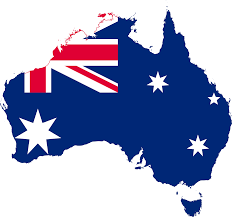
[summary] Australia’s draft alcohol strategy proposes minimum pricing

January 10, 2024

Draft National Alcohol Strategy 2018-2026, key proposals:

  • Introduce a minimum price for alcohol
  • Volumetric taxation of alcohol, as recommended by the Henry Tax Review in 2010
  • “Readable, impactful” health-related warning labels
  • A single national advertising code protecting children from exposure
  • Reduce young people’s alcohol advertising exposure, including in sport and on the internet
  • Control alcohol promotion to protect at-risk groups, including youth and dependent drinkers
  • Increase screening, assessment, referral and treatment

Source: http://www.health.gov.au/internet/main/publishing.nsf/Content/55E4796388E9EDE5CA25808F00035035/$File/Consultation%20Draft%20National%20Alcohol%20Strategy%202018-2026.pdf

Update: Alcohol strategy rift remains over conflicts of interest

January 10, 2024


There was no narrowing of the rift in the UK’s bid to tackle alcohol harm, which sprang open on Monday when a government health agency went into partnership with an alcohol industry-funded campaign, despite hearing strong opposition to the conflict of interests.

The “drink-free days” campaign will be entirely paid for by Drinkaware, an organisation receiving 92% of its £5.4m annual income from alcohol producers and others with interests in selling alcohol. It has committed to spend over £1m on the campaign this year.

“We will work together with any partner that speaks to the evidence and shares the same commitment,” Public Health England (PHE) told Alcohol Companion. “We brought our public health expertise and track record on delivering behaviour change campaigns.”

Drinkaware says it shares the same “aims and principles” as its new public sector partner. But it did not answer when asked if it would risk donors’ business interests to achieve public health goals? Critics conclude this is because of a conflict of interests.

Head of the Wine and Spirits Trade Association Miles Beale also would not say if his association’s members would continue to contribute to Drinkaware if the organisation’s work threatened their business interests. The alcohol industry wants “long-term customers”, he says.

PHE head Duncan Selbie said he would be “fiercely vigilant” about Drinkaware’s governance. Many, however, remain horrified. “As a profession, this potentially brings public health into national ridicule,” wrote one commentator on Twitter.

Sir Ian Gilmore, PHE adviser no more

A group of 40 health organisations, led by the Alcohol Health Alliance, objected to the deal last month. “We hoped they would see sense,” said one insider. AHA head Sir Ian Gilmore resigned as a PHE adviser this week and his tobacco counterpart John Britton may yet follow.

Drinkaware “misrepresents evidence and frames alcohol harms as solely an individual responsibility issue”, says Mark Petticrew, a long-time critic. The new venture “normalises the role of the alcohol industry in influencing public health”.

In particular Petticrew says Drinkaware downplays cancer risk as part of a wider strategy to neuter health advice to protect shareholder returns. A PHE evidence review has acknowledged potential problems of this kind.

PHE and Drinkaware say they will do separate evaluations and peer reviews of the campaign. Portman, the alcohol industry outfit which created Drinkaware, drew conclusions at odds with the findings of a joint health labelling study this year.

This site revealed Portman unilaterally dropped official health guidelines from its voluntary labelling standard in October. The attempt to restore them is led by the Department of Health and Social Care, but the PHE looked at the evidence and came down in favour of health labelling.

“Using labels to include information about the health risks and harms associated with alcohol can be implemented with relatively low-cost and will have a wide population reach,” the PHE’s review said in its 2016 review.

Few health professionals quibble with the idea behind “drink-free days”. Having two or more days a week without drinking alcohol may help older, steady drinkers cut down. It is already part of the Chief Medical Officer’s drinking guidelines.

A PR campaign for the idea began on Monday. This will be backed up with national radio and digital advertising which will direct people to a dedicated site. The Drinkaware board has yet to decide on budgets for 2019 and 2020.

Among the reasons the PHE gives for its partnership with Drinkaware is that the alcohol-business backed site had 9m unique visitors in 2017, an unaudited figure taken from Google Analytics. Most, it says, arrive from an organic search for an alcohol-related term.

“This is the first step in reframing our relationship with the alcohol industry,” PHE said its head, Mr Selbie. Some are finding the route being mapped out a more enticing prospect than others. ■


  • « Go to Previous Page
  • Page 1
  • Interim pages omitted …
  • Page 17
  • Page 18
  • Page 19
  • Page 20
  • Page 21
  • Page 22
  • Go to Next Page »

Copyright © 2026 · Phil Cain Impressum