by Hilary A. Marusak, Wayne State University
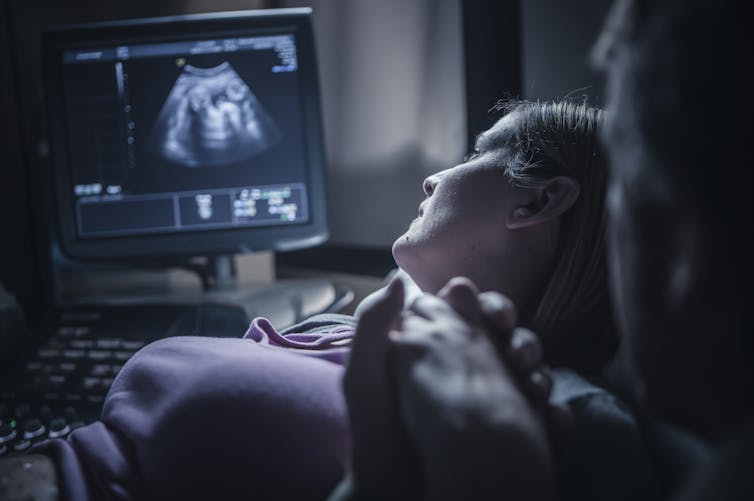
John Fedele/Tetraimages via Getty Images
Cannabis is a widely used psychoactive drug worldwide, and its popularity is growing: The U.S. market for recreational cannabis sales could surpass US$72 billion by 2023.
As of early 2023, 21 U.S. states and the District of Columbia have legalized cannabis for recreational use for people age 21 and up, while 39 states plus the District of Columbia have legalized it for medical use.
The growing wave of legalization and the dramatic increase in cannabis potency over the past two decades have raised concerns among scientists and public health experts about the potential health effects of cannabis use during pregnancy and other vulnerable periods of development, such as the teen years.
I am a developmental neuroscientist specializing in studying what’s known as the endocannabinoid system. This is an evolutionarily ancient system found in humans and other vertebrates that produces natural cannabinoids such as THC and CBD.
Cannabis and its constituents interact with the body’s endocannabinoid system to product their effects. THC and CBD are the most commonly known cannabis extracts and can be synthesized in a lab. My lab also studies the risks versus potential therapeutic value of cannabis and cannabinoids.
People often assume there’s no risk when using cannabis or cannabinoids during vulnerable periods of life, but they’re basing that on little to no data. Our research and that of others suggests that cannabis use during pregnancy and adolescence can present myriad health risks the public should be aware of.
Data shows that many people who use cannabis continue to do so during pregnancy. But there are health risks.
Cannabis use during pregnancy
More and more pregnant people are using cannabis today compared with a decade ago, with some studies showing that nearly 1 in 4 pregnant adolescents report that they use cannabis.
Many cannabis-using people may have not known they were pregnant and stopped using when they found out. Others report using cannabis for its touted ability to ease pregnancy-related symptoms, like nausea and anxiety. However, studies do not yet confirm those health claims. What’s more, the potential harms are often downplayed by pro-cannabis marketing and messaging by dispensaries, advocacy groups and even midwives or doulas.
In addition, physicians and other health care providers often are not knowledgeable enough or don’t feel well equipped to discuss the potential risks and benefits of cannabis with their patients, including during pregnancy.
While research shows that most people who are pregnant perceive little to no risk in using cannabis during pregnancy, the data show there is clear cause for concern. Indeed, a growing number of studies link prenatal cannabis exposure to greater risk of preterm birth, lower birth weight and psychiatric and behavioral problems in children. These include, for example, difficulties with attention, thought, social problems, anxiety and depression.
Cannabis and the developing brain
When cannabis is inhaled, consumed orally or taken in through other routes, it can easily cross through the placenta and deposit in the fetal brain, disrupting brain development.
A recent study from my lab, led by medical student Mohammed Faraj, found that cannabis use during pregnancy can shape the developing brain in ways that are detectable even a decade later.
We used data from the National Institutes of Health Adolescent Brain Cognitive Development Study, which is the largest long-term study of brain development and child and adolescent health in the U.S. It has followed more than 10,000 children and their families from age 9-10 over a 10-year period.
Through that analysis, we linked prenatal cannabis exposure to alterations in functional brain networks in 9- and 10-year-old children. In particular, prenatal cannabis exposure appeared to disrupt the communication between brain networks involved in attentional control, which may explain why children who were exposed to cannabis in utero may develop difficulties with attention or other behavioral issues or mental disorders as they develop.
While alcohol abuse has steadily declined among adolescents since 2000 in the U.S., cannabis use shows the opposite pattern: It increased by 245% during that same period.
Data reported in 2022 from the Monitoring the Future survey of over 50,000 students in the U.S. found that nearly one-third of 12th grade students reported using cannabis in the past year, including cannabis vaping. Yet only about 1 in 4 12th grade students perceive great harm in using cannabis regularly. This suggests that many teens use cannabis, but very few consider it to have potential negative effects.
Cannabis use during adolescence
Research shows that the adolescent brain is primed to engage in high-risk behaviors such as experimenting with cannabis and other substances. Unfortunately, owing to ongoing brain development, the adolescent brain is also particularly susceptible to the effects of cannabis and other substances. Indeed, many neuroscientists now agree that the brain continues to develop well into the second and even third decade of life.
In line with this vulnerability, research shows that, relative to those who did not use cannabis during adolescence, those who started using it during adolescence are at increased risk of developing depression, suicidal ideation, psychosis and reductions in IQ during adolescence and adulthood. Neuroimaging studies also show residual effects of adolescent cannabis use on brain functioning, even later during adulthood.
Reading beyond the label
Despite common misconceptions that cannabis is “all natural” and safe to use during pregnancy or adolescence, the data suggests there are real risks. In fact, in 2019, the U.S. surgeon general issued an advisory against the use of cannabis during pregnancy and adolescence, stating that “no amount … is known to be safe.”
Cannabis may be harmful to the developing brain because it disrupts the developing endocannabinoid system, which plays a critical role in shaping brain development from conception and into adulthood. This includes neural circuits involved in learning, memory, decision-making and emotion regulation.
While much of this research has focused on cannabis use, there is also other research that comes to similar conclusions for THC and CBD in other forms. In fact, although CBD is widely available as an unregulated supplement, we researchers know almost nothing about its effects on the developing brain. Of note, these harms apply not only to smoking, but also to ingesting, vaping or other ways of consuming cannabis or its extracts.
In my view, it’s important that consumers know these risks and recognize that not everything claimed in a label is backed by science. So before you pick up that edible or vape pen for stress, anxiety, or sleep or pain control, it’s important to talk to a health care provider about potential risks – especially if you are or could be pregnant or are a teen or young adult
John Fedele/Tetraimages via Getty Images
Hilary A. Marusak, Wayne State University
Cannabis is a widely used psychoactive drug worldwide, and its popularity is growing: The U.S. market for recreational cannabis sales could surpass US$72 billion by 2023.
As of early 2023, 21 U.S. states and the District of Columbia have legalized cannabis for recreational use for people age 21 and up, while 39 states plus the District of Columbia have legalized it for medical use.
The growing wave of legalization and the dramatic increase in cannabis potency over the past two decades have raised concerns among scientists and public health experts about the potential health effects of cannabis use during pregnancy and other vulnerable periods of development, such as the teen years.
I am a developmental neuroscientist specializing in studying what’s known as the endocannabinoid system. This is an evolutionarily ancient system found in humans and other vertebrates that produces natural cannabinoids such as THC and CBD.
Cannabis and its constituents interact with the body’s endocannabinoid system to product their effects. THC and CBD are the most commonly known cannabis extracts and can be synthesized in a lab. My lab also studies the risks versus potential therapeutic value of cannabis and cannabinoids.
People often assume there’s no risk when using cannabis or cannabinoids during vulnerable periods of life, but they’re basing that on little to no data. Our research and that of others suggests that cannabis use during pregnancy and adolescence can present myriad health risks the public should be aware of.
Data shows that many people who use cannabis continue to do so during pregnancy. But there are health risks.
Cannabis use during pregnancy
More and more pregnant people are using cannabis today compared with a decade ago, with some studies showing that nearly 1 in 4 pregnant adolescents report that they use cannabis.
Many cannabis-using people may have not known they were pregnant and stopped using when they found out. Others report using cannabis for its touted ability to ease pregnancy-related symptoms, like nausea and anxiety. However, studies do not yet confirm those health claims. What’s more, the potential harms are often downplayed by pro-cannabis marketing and messaging by dispensaries, advocacy groups and even midwives or doulas.
In addition, physicians and other health care providers often are not knowledgeable enough or don’t feel well equipped to discuss the potential risks and benefits of cannabis with their patients, including during pregnancy.
While research shows that most people who are pregnant perceive little to no risk in using cannabis during pregnancy, the data show there is clear cause for concern. Indeed, a growing number of studies link prenatal cannabis exposure to greater risk of preterm birth, lower birth weight and psychiatric and behavioral problems in children. These include, for example, difficulties with attention, thought, social problems, anxiety and depression.
Cannabis and the developing brain
When cannabis is inhaled, consumed orally or taken in through other routes, it can easily cross through the placenta and deposit in the fetal brain, disrupting brain development.
A recent study from my lab, led by medical student Mohammed Faraj, found that cannabis use during pregnancy can shape the developing brain in ways that are detectable even a decade later.
We used data from the National Institutes of Health Adolescent Brain Cognitive Development Study, which is the largest long-term study of brain development and child and adolescent health in the U.S. It has followed more than 10,000 children and their families from age 9-10 over a 10-year period.
Through that analysis, we linked prenatal cannabis exposure to alterations in functional brain networks in 9- and 10-year-old children. In particular, prenatal cannabis exposure appeared to disrupt the communication between brain networks involved in attentional control, which may explain why children who were exposed to cannabis in utero may develop difficulties with attention or other behavioral issues or mental disorders as they develop.
While alcohol abuse has steadily declined among adolescents since 2000 in the U.S., cannabis use shows the opposite pattern: It increased by 245% during that same period.
Data reported in 2022 from the Monitoring the Future survey of over 50,000 students in the U.S. found that nearly one-third of 12th grade students reported using cannabis in the past year, including cannabis vaping. Yet only about 1 in 4 12th grade students perceive great harm in using cannabis regularly. This suggests that many teens use cannabis, but very few consider it to have potential negative effects.
Cannabis use during adolescence
Research shows that the adolescent brain is primed to engage in high-risk behaviors such as experimenting with cannabis and other substances. Unfortunately, owing to ongoing brain development, the adolescent brain is also particularly susceptible to the effects of cannabis and other substances. Indeed, many neuroscientists now agree that the brain continues to develop well into the second and even third decade of life.
In line with this vulnerability, research shows that, relative to those who did not use cannabis during adolescence, those who started using it during adolescence are at increased risk of developing depression, suicidal ideation, psychosis and reductions in IQ during adolescence and adulthood. Neuroimaging studies also show residual effects of adolescent cannabis use on brain functioning, even later during adulthood.
Reading beyond the label
Despite common misconceptions that cannabis is “all natural” and safe to use during pregnancy or adolescence, the data suggests there are real risks. In fact, in 2019, the U.S. surgeon general issued an advisory against the use of cannabis during pregnancy and adolescence, stating that “no amount … is known to be safe.”
Cannabis may be harmful to the developing brain because it disrupts the developing endocannabinoid system, which plays a critical role in shaping brain development from conception and into adulthood. This includes neural circuits involved in learning, memory, decision-making and emotion regulation.
While much of this research has focused on cannabis use, there is also other research that comes to similar conclusions for THC and CBD in other forms. In fact, although CBD is widely available as an unregulated supplement, we researchers know almost nothing about its effects on the developing brain. Of note, these harms apply not only to smoking, but also to ingesting, vaping or other ways of consuming cannabis or its extracts.
In my view, it’s important that consumers know these risks and recognize that not everything claimed in a label is backed by science. So before you pick up that edible or vape pen for stress, anxiety, or sleep or pain control, it’s important to talk to a health care provider about potential risks – especially if you are or could be pregnant or are a teen or young adult. ■
Note: Hilary A. Marusak, Assistant Professor of Psychiatry and Behavioral Neurosciences, Wayne State University This article is republished from The Conversation under a Creative Commons license. Read the original article.