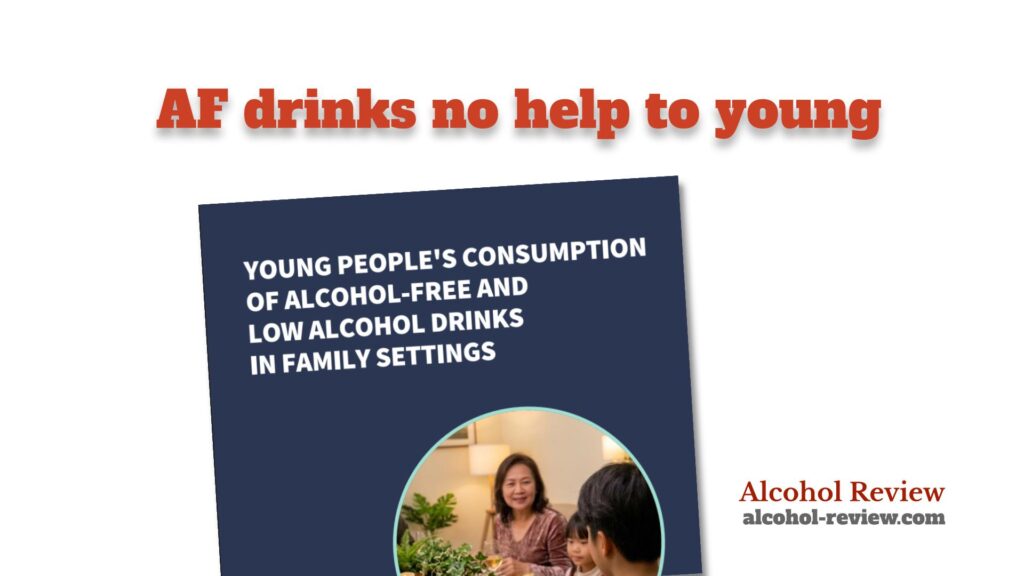
Drinks made as no- and low-alcohol alternatives to alcoholic drinks, known as “nolos”, seem to play little role in the alcohol consumption of young Brits, according to research published this week.
There is currently no clear evidence for nolo drinks taking the place of alcohol products to any significant degree in any age group. This means they lack the solid evidence base of public health measures around price, availability and advertising.
Brits between 16 and 25 are three times more likely to start drinking alcohol than nolos, with nearly two-thirds of them opting to try alcohol, found a survey funded by Alcohol Change UK. It also found little evidence that nolos change young people’s alcohol consumption for better or worse.
But parents do have a significant impact. “Most primary carers interviewed thought it was acceptable for young people to drink some alcohol within the family home, with some believing it is their responsibility to introduce their adolescent children to alcohol,” the survey found.
The charity pointed out that these parental attitudes are held despite “strong evidence that an alcohol-free childhood is the safest option”. Drinks made as no- and low-alcohol alternatives to alcoholic drinks, known as “nolos”, seem to play little role in the alcohol consumption of young Brits, according to research published this week.
There is currently no clear evidence for nolo drinks taking the place of alcohol products to any significant degree in any age group. This means they lack the solid evidence base of public health measures around price, availability and advertising.
The survey found some evidence to support worries that alcohol-branded nolos are cementing alcohol brands in the minds of adolescents, with most of them familiar with Heineken, Guinness and Gordon’s alcohol-free spinoffs. This may mean they are more likely to try the alcoholic primary brands.
Brits between 16 and 25 are three times more likely to start drinking alcohol than nolos, with nearly two-thirds of them opting to try alcohol, found a survey funded by Alcohol Change UK. It also found little evidence that nolos change young people’s alcohol consumption for better or worse.
But parents do have a significant impact. “Most primary carers interviewed thought it was acceptable for young people to drink some alcohol within the family home, with some believing it is their responsibility to introduce their adolescent children to alcohol,” the survey found.
The charity pointed out that these parental attitudes are held despite “strong evidence that an alcohol-free childhood is the safest option”.
AR: Alcohol Review has long argued for scepticism around well-funded hype around nolos. There is no evidence that they help reduce alcohol harm, while their media presence distracts from consideration of well-evidenced policies. They also provide a way for alcohol brands to reach young audiences, notably by promoting alcohol-free versions of an alcohol brand at high-profile global sports events like F1 and the Olympics. ■