• Skip to main content

Alcohol Review

Alcohol understanding for all

  • Highlights
  • AR2026
    • AR2025
    • Earlier events
  • Register
  • About
    • Organisers
    • Contact
  • Log In

Alcohol harm and artificial intelligence
+ all the latest research, advocacy and innovation

10-noon (UK time), Thursday, March 26th 2026, everywhere

Register to participate

Receive updates

Last year’s event

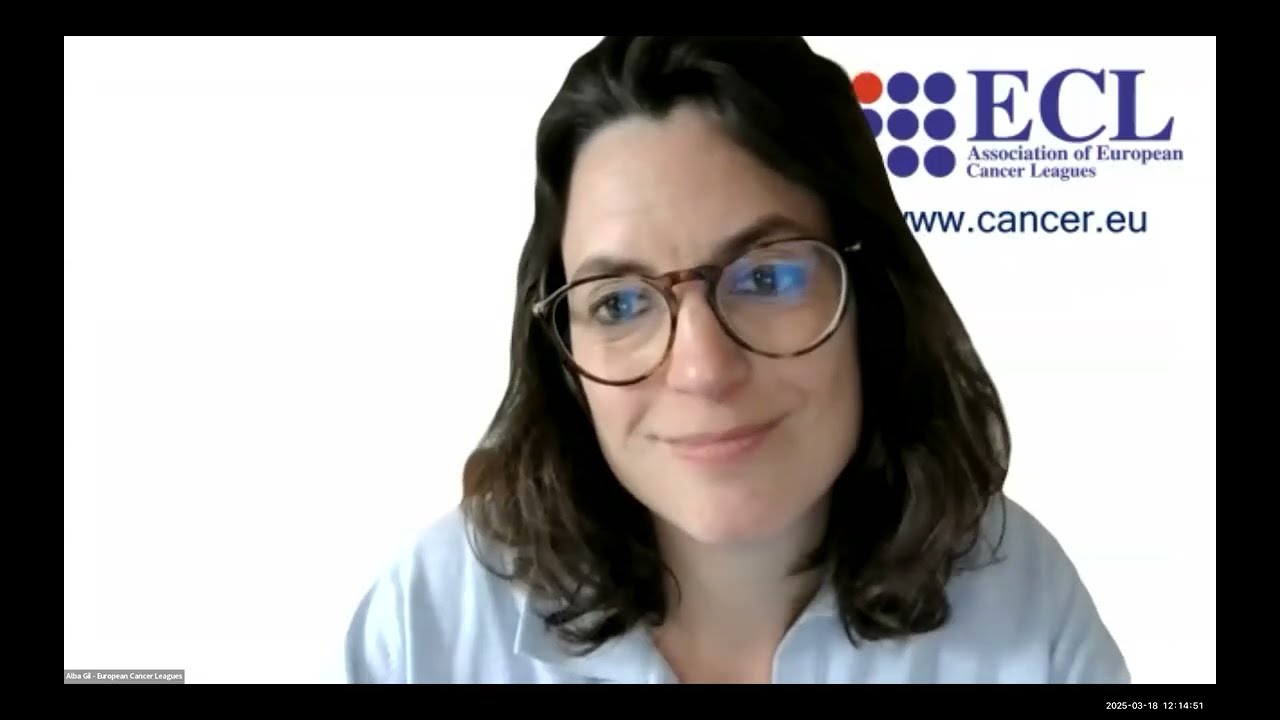
Opening update: Professor Kathryn Backholer of Deakin University will share her insights into the automated detection of alcohol ads in our live online plenary session. Spotlight sessions are expected to showcase the advocacy of leading African and EU health NGOs, including one from Marleen Kestens from the European Heart Network (pictured), along with some of the latest research from Australian and Irish universities.

Two event elements
– A lively, interactive double-length plenary session on March 26th on artificial intelligence’s impact on efforts to tackle alcohol harm
– Impactful spotlight sessions will showcase all the latest research, advocacy and innovations in the effort to reduce alcohol harm
Please, register to participate in one or both of these elements.

Plenary panel session
This lively, interactive online session will give unique cutting-edge insight and expert assessment of the impact artificial intelligence on efforts to tackle alcohol harm. A unique, freewheeling discussion format will offer the latest findings and reflections on this fast-evolving topic.

Professor Kathryn Backholer of Deakin University (pictured) will bring her expertise on the automated detection of advertising. Several more panalists will to join her in the coming weeks.

Participants will hear from an expert panel with uniquely valuable early insights from this fast moving field. An introduction to their findings will be followed by moderated inquiry and panel discussion, followed by an in-depth participant question, answer and comment session.

Artificial intelligence (AI) shows some promise for delivering advice and counselling; it may provide new insights into data and aid diagnosis; And it might help efficiently enforce rules, for instance on advertising or minimum age.

But using computers to tackle what is a very human problem will also have limitations and risks. To what extent, if at all, can a machine ever understand human psychology, infer political or financial interests or strategies, or offer reassurance?

The technology may help in the production of scientific studies, or make patient interventions less expensive and awkward, but they can also make new kinds of mistakes. AI could help cut through misinformation and also be a new vehicle for it.

We hope to provide some useful early insights to guide to this topic. We warmly welcome participants’ perspectives, whether positive or negative, or something in between. 

To prepare participants we hope to start sharing some of these early contributions in the buildup to the event. ■

Questions and suggestions

Related

Sizing up the AI wave
The global effort to curb alcohol harm will see a wave of change from the rollout of artificial intelligence, but how big will it be?

  • LinkedIn
  • Bluesky
  • X
  • WhatsApp
  • Instagram
  • YouTube

Copyright © 2026 · Phil Cain Impressum

Manage Consent
To provide the best experiences, we use technologies like cookies to store and/or access device information. Consenting to these technologies will allow us to process data such as browsing behaviour or unique IDs on this site. Not consenting or withdrawing consent, may adversely affect certain features and functions.
Functional Always active
The technical storage or access is strictly necessary for the legitimate purpose of enabling the use of a specific service explicitly requested by the subscriber or user, or for the sole purpose of carrying out the transmission of a communication over an electronic communications network.
Preferences
The technical storage or access is necessary for the legitimate purpose of storing preferences that are not requested by the subscriber or user.
Statistics
The technical storage or access that is used exclusively for statistical purposes. The technical storage or access that is used exclusively for anonymous statistical purposes. Without a subpoena, voluntary compliance on the part of your Internet Service Provider, or additional records from a third party, information stored or retrieved for this purpose alone cannot usually be used to identify you.
Marketing
The technical storage or access is required to create user profiles to send advertising, or to track the user on a website or across several websites for similar marketing purposes.
  • Manage options
  • Manage services
  • Manage {vendor_count} vendors
  • Read more about these purposes
View preferences
  • {title}
  • {title}
  • {title}