• Skip to main content

Alcohol Review

Alcohol understanding for all

  • Highlights
  • AR2026
    • AR2025
    • Earlier events
  • Register
  • About
    • Organisers
    • Contact
  • Log In

philcain

Brits drank less alcohol in early pandemic

January 10, 2024

Brits overall drank less alcohol than usual in the first few months of the pandemic last year, despite scenes of frenzied panic buying.

There was a fall of around 10% in England and Wales and 5% in Scotland in the second quarter of 2020, according to figures published by Public Health Scotland yesterday. But these were just averages.

“Unfortunately we know that some of us—particularly heavier drinkers— have been drinking more. We need to make support available,” wrote Alison Douglas of Alcohol Focus Scotland. 

Average amounts may not have changed much but the average context has. We now drink more often alone at home to soothe anxiety or cheer ourselves up, uses in which alcohol backfires in the longer term.

This means, taking the population as a whole, the dramatic rise in the amount consumed at home was not enough to outweigh the amount they would normally drink in pubs and bars.

In England and Wales men’s drinking on average fell by just under 13% and women’s by 7%. In Scotland the falls were 7% for men and just 1% for women.

What happened in the third and fourth quarters of 2020 is currently unclear, with tax figures suggesting a rise in overall alcohol consumption and industry figures a fall. ■
A “seat fee” could help reboot pubs

January 10, 2024

The pandemic offers a chance to consider better ways to pay for social environments we enjoy spending time in. A “seat fee” would be one.

A large chunk of the price we pay for a pint, for example, is gobbled up in tax and in paying the brewer, with what’s left used to cover the landlord’s rent, heat, rates, repairs and staff, and so on.

The enjoyment of being in a pub or bar is largely about playing. We do not need alcohol for that, but we do need access to well-run social spaces, other people and permission to play.

 The viability of our social spaces, is in this way, tightly bound to the volume of drinks we consume. The costs need to be covered whatever we buy, which is why a Coke or a lime and soda cost an arm and a leg.

And this is also why pubs and bars are set up to market drinks, snacks and other light refreshments so forcefully. Without selling a lot of them they would perish.

In the case of alcohol this is potentially problematic because of the harms it causes. This means there is a conflict of interest between the landlord’s bank account and the well-being of their customers.

To lessen this problem we could try decoupling the cost of our being in a particular location, absorbing its heat, seeing with its lights, hearing its music and wearing down its carpet, from what we consume.

A “seat fee” could be taken separately using some kind of whizzbang gadgetry which sensed when we were there and when we left. It could be a pound, a euro or dollar an hour, maybe?

Pitched at the right amount the fee would go a long way to sustaining the pub, allowing it to host people without having to pressurise them to consume more, although it would doubtless be a welcome top-up.

Adopting such a model would make pubs and bars more resilient to changes in the cost of their products, notably alcohol tax. And it would also mean being less reliant on selling any particular product, notably alcohol.

We might also stay longer because they place was nice to be in, because our friends were there, or because there was something interesting happening, perhaps, gigs, games or talks.

The idea of making a pub into a space you have to pay for goes against the grain, no-doubt, but at the same time we are fooling ourselves if we imagine we are not paying already.

There is an immediate proxy for such a system. If we want to discreetly help our local without drinking a large amount of alcohol, the price of a lime and soda or a cup of tea nearly all goes directly to the landlord.

It is a dreadful time for hospitality, particularly its often poorly-paid staff. It is a sector almost everyone misses as customers. But its eventual reboot will, hopefully, see healthy social spaces designed for the future. ■

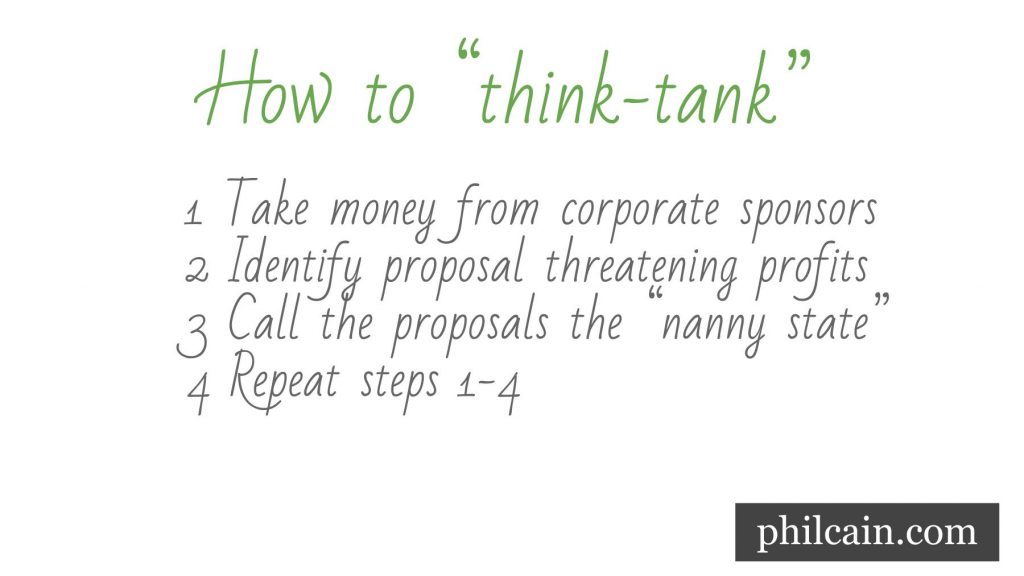
How to think-tank

January 10, 2024

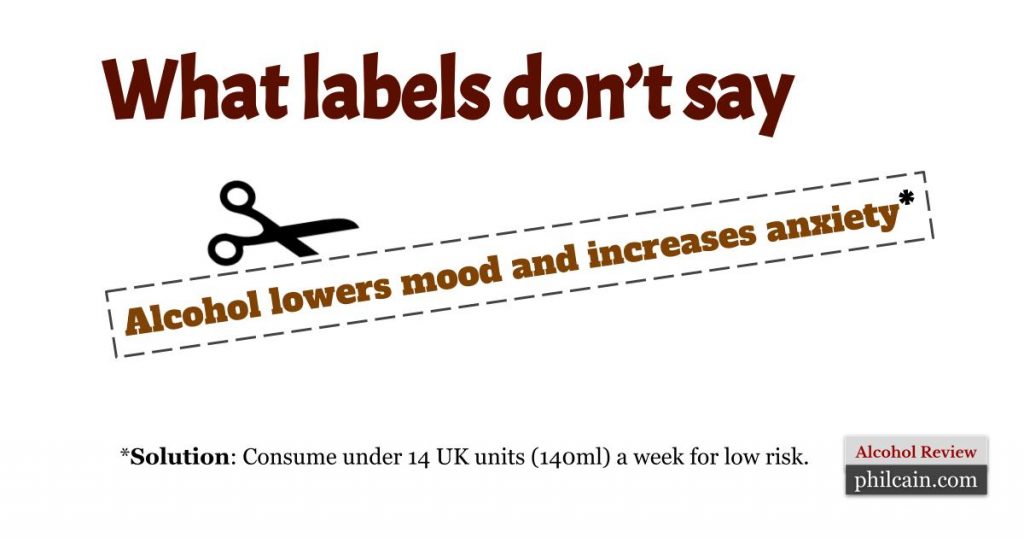
DIY alcohol label idea

January 10, 2024

Alcohol shows ways we can improve

January 10, 2024

I started writing about alcohol nearly seven years ago now. Little did I imagine I would still be hard at it today. “Why are you?” you may well ask.

Well, for one, alcohol problems still kill 3m a year globally, playing a role in the untimely demise of one-in-ten people under 50, and bring misery to many millions more. 

That’s a story, even if few seem to care. But, for two, just as important, is that tackling alcohol problems hints at routes to wider renewal when we seem short of ideas.

Alcohol problems arise from an interplay of individuals, social groups, business and regulation. An effort to minimise alcohol harm allows us to imagine ways to improve all four.

As individuals we can learn to make better sense of the misleading first-hand impressions alcohol gives and to identify the half-truths passed to us by word-of-mouth and media.

Alcohol sellers employ populist methods: dubious science, misleading propaganda, uncritical coverage, denying consumers information and opportunistic advertising.

Not being duped can reduce our risk of harm, reduce the chances we harm others, slash our overheads, improve our critical thinking, and find upsides typically ascribed to alcohol elsewhere.

Our social groups, meanwhile, are improved by becoming more accepting of differences on this choice. This requires us to develop tolerance and respect to replace of a herd mentality.

On the bigger scale, it means holding elected politicians and nobody else is responsible for alcohol regulation. They cannot be allowed to evade blame for what is their indivisible responsibility.

Fixing the institutional flaws, influence peddling and muddled thinking which allows persistent regulatory failure could form part of a programme of democratic renewal.

The type of principles, laws and institutions which prevent undue commercial influence on alcohol regulation could be applied other vexed areas of government decision-making. 

Alcohol offers a window onto our vulnerabilities as individuals and as societies, and should provide our political leaders with plenty of ideas and inspiration for how to improve lives. 

This is why I think it remains important to write about alcohol. It is unglamorous, awkward and woefully ignored, but it is also a rich source of untapped ideas on how to improve at a time when we badly need them. ■

Euro beer placement rules unclear for non-religious

January 10, 2024

The Euro 2020 organiser will not say if footballers can give secular reasons for withholding their apparent endorsement for a beer brand in press conferences.

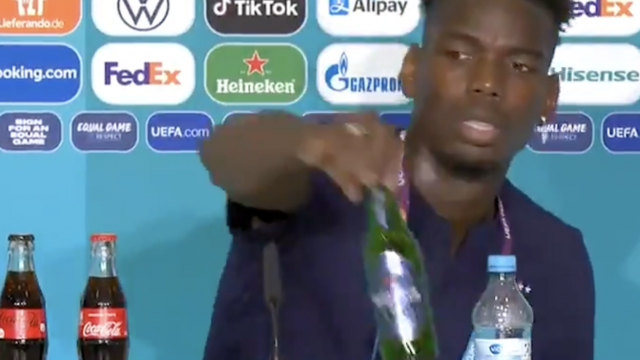
The freedom was clearly given to religious believers last week after Paul Pogba (pictured), a Muslim, publicly set aside a bottle of Heineken 0.0 in a press conference a fortnight ago.

The Heineken 0.0 brand can be easily mistaken for its alcoholic sister product which means that appearing to endorse one can unwittingly promote the other.

The Euro 2020 organiser UEFA confirmed to Alcohol Review that players and managers can give religious reasons to have Heineken 0.0 bottles removed from in front of them in press conferences.

The objection it says needs to be made “owing to religious beliefs”. It is currently unclear if the same freedom is available to those objecting to the placement for secular reasons, like a wish to support football fans in adopting healthy lifestyles.

“UEFA has reminded participating teams that partnerships are integral to the delivery of the tournament and to ensuring the development of football across Europe, including for youth and women. We have no further comment,” UEFA replied.

Limiting freedoms to just one religious group or belief system is “an affront to human dignity and a disavowal of the principles of the Charter of the UN”, the UN says in a 1981 declaration on intolerance and discrimination.

The Heineken 0.0 bottles may disappear from some press conference tables but will still appear on the wall of logos behind and also features prominently during games. This is of concern to health advocates of all backgrounds. ■

  • « Go to Previous Page
  • Page 1
  • Interim pages omitted …
  • Page 29
  • Page 30
  • Page 31
  • Page 32
  • Page 33
  • Interim pages omitted …
  • Page 50
  • Go to Next Page »

Copyright © 2026 · Phil Cain Impressum