Dear Reader
This year offered a steady stream of confirmation of the merits of low-risk alcohol drinking, reckoned to be less than 14 UK units (140ml) a week.
There was also welcome reassurance that not drinking alcohol at all, which many find the easiest form of low-risk drinking, comes with no added risk.
But the biggest news was confirmation of a massive underestimate of alcohol as a factor in dementia. This too was followed by confirmation that low-risk drinking should spare us from it.
It is a discomforting finding, no doubt. But it also offers hope that changes to our drinking habits can spare millions from mental health problems, as I wrote here.
Thank you for your support over the last year. I wish you a happy New Year’s Eve and a great start to 2019.
Yours faithfully
Phil
 I offer a “responsibility without blame” framework that derives from reflection on forms of clinical practice that support change and recovery in patients who cause harm to themselves and others. This framework can be used to interrogate our own attitudes and responses, so that we can better see how to acknowledge the truth about choice and agency in addiction, while avoiding stigma and blame, and instead maintaining care and compassion alongside a commitment to working for social justice and good—
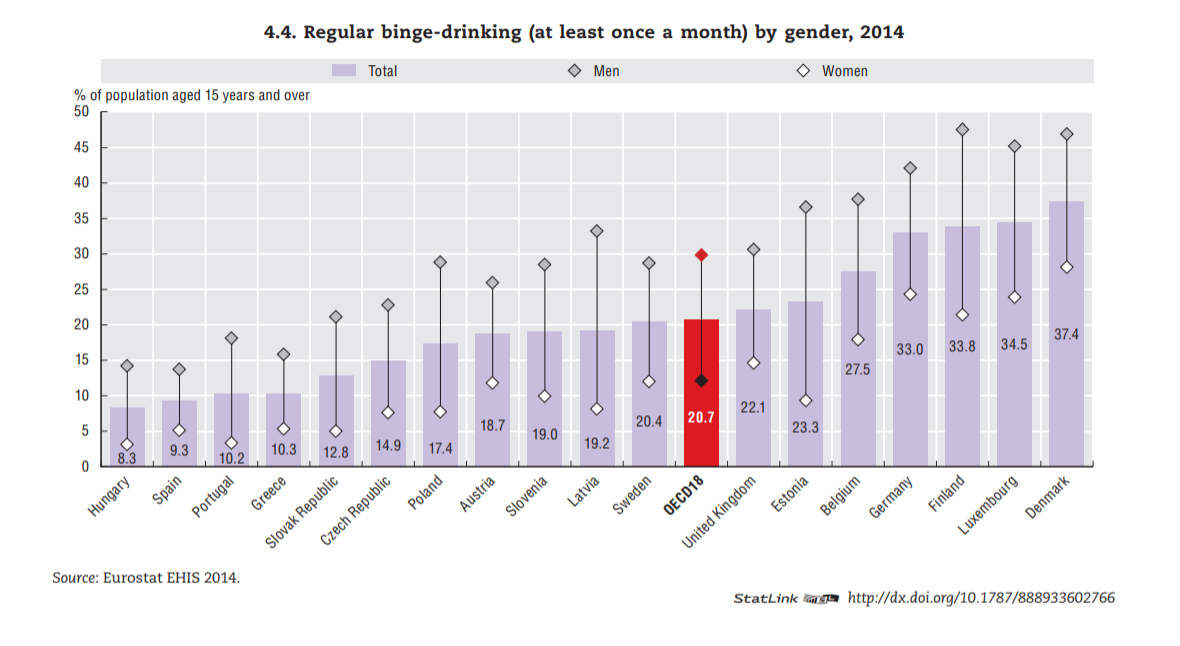
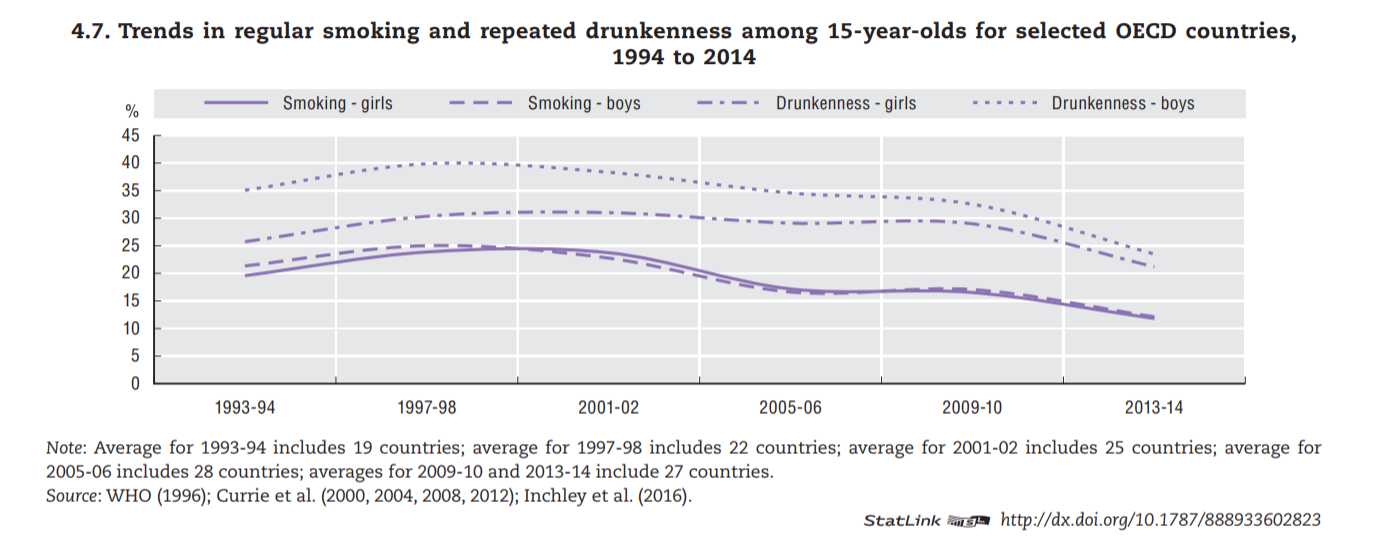
 More than 3m people in the UK plan to turn their alcohol clocks to zero for a month from January 1st, joining an increasingly popular annual initiative to realise the multiple benefits of lower levels of drinking.
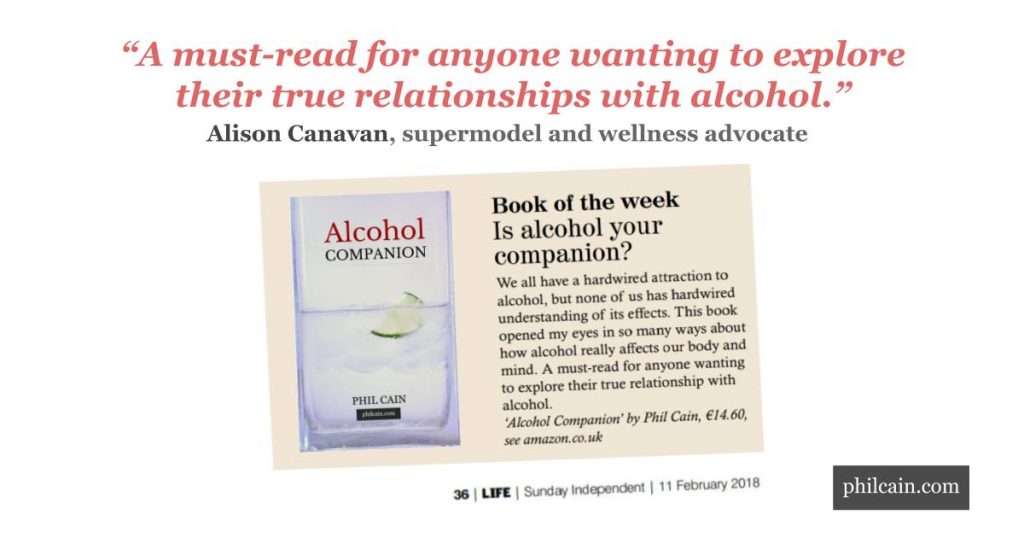
 “This book opened my eyes in so many ways about how alcohol really affects our body and mind. A must-read for anyone wanting to explore their true relationship with alcohol.”—Alison Canavan, wellness advocate and supermodel. …