• Skip to main content

Alcohol Review

Alcohol understanding for all

  • Highlights
  • AR2026
    • AR2025
    • Earlier events
  • Register
  • About
    • Organisers
    • Contact
  • Log In

philcain

[summary] Australia’s draft alcohol strategy proposes minimum pricing

January 10, 2024

Draft National Alcohol Strategy 2018-2026, key proposals:

  • Introduce a minimum price for alcohol
  • Volumetric taxation of alcohol, as recommended by the Henry Tax Review in 2010
  • “Readable, impactful” health-related warning labels
  • A single national advertising code protecting children from exposure
  • Reduce young people’s alcohol advertising exposure, including in sport and on the internet
  • Control alcohol promotion to protect at-risk groups, including youth and dependent drinkers
  • Increase screening, assessment, referral and treatment

Source: http://www.health.gov.au/internet/main/publishing.nsf/Content/55E4796388E9EDE5CA25808F00035035/$File/Consultation%20Draft%20National%20Alcohol%20Strategy%202018-2026.pdf

Experts query minimum alcohol price concerns

January 10, 2024

Minimum alcohol unit price advocates cast doubt on recent warnings that low-level drinkers would bear the brunt of Scotland’s plan to introduce the scheme next May.
The Institute for Fiscal Studies (IFS) said last week it may be “better to reform duties and not have a minimum price at all”. It estimated a 50p minimum would increase the price of around 70% of off-trade alcohol units purchased, unfairly impacting low-level drinkers.

But these calculations have some shortcomings, says John Holmes of the Sheffield Alcohol Research Group, which forecast the impact of Scotland’s scheme. These mean the IFS has over-estimated the cost to people who do not overdo it.

Most importantly the IFS figures to not recognise alcohol consumption is heavily skewed towards heavy drinkers, says Holmes. The one-in-four people in Scotland who exceed the old, looser guidelines together drink around three-quarters of the alcohol.

This top-loaded consumption pattern means it is heavy drinkers who purchase the vast majority of units, and an even greater proportion of units bought for under 50p. This means it is heavy drinkers who will feel the pinch as the result of heavy consumption under minimum pricing, as the scheme intends.

And, to add to this, the number of units bought in Scotland for under 50p is probably not the 70% of the total the IFS estimates, but more like 50%, Holmes says. This “more robust”percentage comes from sales data rather than the self-reports relied on by the IFS statistic.

Another point worth considering, according to another commentator, is that raising taxes on some categories of alcoholic drinks favoured by heavy drinkers instead, as recommended by IFS, would also have an unwelcome impact on some low-level drinkers. ■

Ireland pioneers alcohol cancer warnings and minimum prices

January 10, 2024

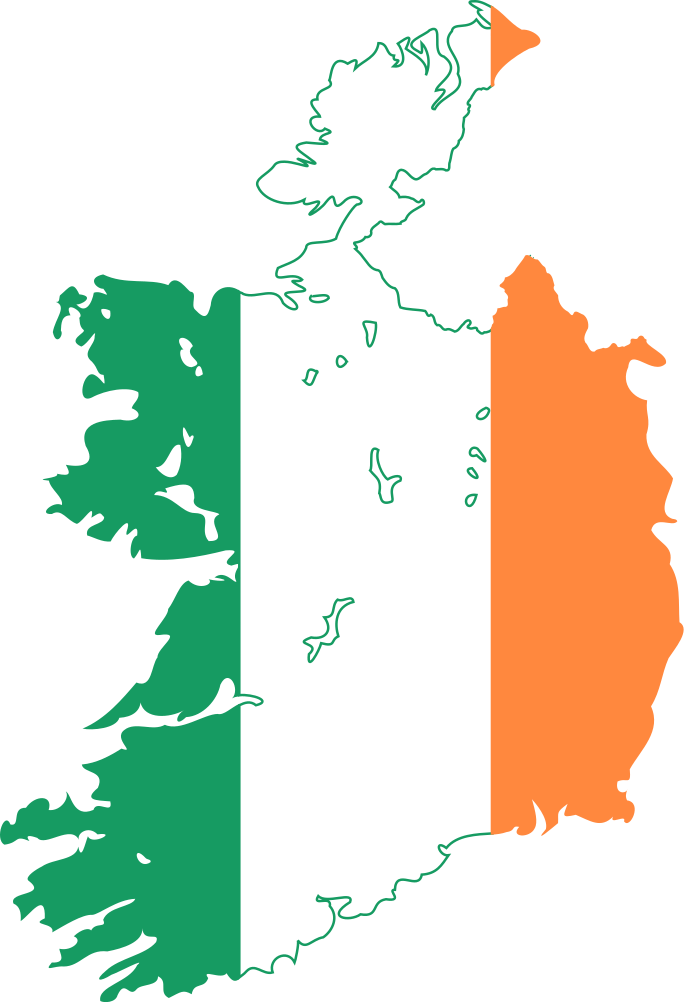
Ireland’s upper house last week passed a long-awaited bill introducing minimum alcohol prices and requiring warnings of alcohol’s cancer risks and the protection of children from marketing.
According to the bill passed on Friday drinks labels will also need to list their ingredients for the first time. Ads as well as labels will have to include warnings of the cancer risk.

To stop children being weaned onto alcohol brands, shops will be required to hide alcohol marketing behind a 1.5m-high screen.

The bill will return to the Dáil, the lower house, next year. The government first introduced the bill in December 2015 and has been the subject of fierce lobbying since.

Ireland is the second country in the world to pass laws to require alcohol is sold above a minimum price after Scotland became the first in November.

Only Canada’s Yukon has so far introduced cancer warnings, and that is in a trial. ■

Millions to zero alcohol levels this New Year

January 10, 2024

More than 3m people in the UK plan to turn their alcohol clocks to zero for a month from January 1st,  joining an increasingly popular annual initiative to realise the multiple benefits of lower levels of drinking.

Alcohol Concern’s Dry January provides information, support and extra motivation for those taking a break. There is a free app to track our progress and the chance to raise money for charity. 

The popularity of the annual lay-off is easily explained, says the charity’s chief executive Richard Piper: “The benefits are astounding”. Around half of those who take part find they lose weight, two-thirds sleep better and over three-quarters save money. It may also lift depression and anxiety.

Parents and the middle-aged were the most likely to be joining in this year, according to a survey of 2,000 people, with parents of more than two children particularly keen, as are people in full-time employment and those from the North East and Northern Ireland.

“Alcohol is the biggest cause of death, ill-health and disability for people aged 15-49 in the UK–but these tragedies are all totally avoidable,” says Piper. It is among the reasons the annual reset has the support of Public Health England.

The benefits of a mass alcohol reset can add up. It contributes significantly to an annual cost to the NHS or around £3.5bn, or £120 per taxpayer. The burden reaches its peak in December as Christmas parties end in injury, alcohol poisoning and violence.

Success is not uniform, although we can still benefit even if we do not make it to the end. In the past around two-thirds of participants made it through January without drinking any alcohol, while nearly three-quarters were sticking to lower levels of harmful drinking six months later.

Realising the full benefits of not drinking much alcohol can often take longer. Typically getting rid of withdrawal symptoms like emotional instability and memory issues takes between three months and a year. ■

One-in-six parents defies youth alcohol advice

January 10, 2024

One-in-six British parents allows their under-15 to drink, contrary to official advice, with the educated, employed and white more likely to do so, according to a UK study.

The official guidance is that children should not drink alcohol before the age of 15, and from then up to the age of 17 only at a very low level, at most one day a week. Exposure to alcohol at any age tends to make us worse at controlling our future intake.

By the age of 14 around half of children in the UK had tried more than a few sips. Drinking below 14 is associated with greater chances of injury, involvement in violence, and suicidal thoughts and attempts.

Overall the level of drinking among children and young adults seems to be declining, perhaps because of technology. ■

Estonia applauded for “courage and persistence” on alcohol harm

January 10, 2024

Estonia has received plaudits from a pan-European coalition for its “courage and persistence” in focusing the bloc’s attention on reducing alcohol harm during its six months holding the rotating EU presidency.

The Baltic state helped convince EU members to request: a new EU alcohol strategy; monitoring and evaluation of current measures on online advertising; a framework for a new joint action plan; more research on cross-border trade; and better provisions for alcohol labelling by the end of 2019.

“It is high time for European consumers to finally be told what is in their drinks,” said Mariann Skar, head of the European Alcohol Policy Alliance. “Having heard some disturbing rumours about QR codes, we are very concerned that the industry is taking us all for fools.”

But it is not certain the European Commission will heed the request raised during the Estonian presidency, with previous requests meeting with “hesitancy”, according to Lauri Beekmann, who leads the Nordic Alcohol and Drug Policy Network.

Estonia’s six-month presidency ends this month. Next year it will be held by Bulgaria and then Austria. ■


  • « Go to Previous Page
  • Page 1
  • Interim pages omitted …
  • Page 46
  • Page 47
  • Page 48
  • Page 49
  • Page 50
  • Go to Next Page »

Copyright © 2026 · Phil Cain Impressum