• Skip to main content

Alcohol Review

Alcohol understanding for all

  • Highlights
  • AR2026
    • AR2025
    • Earlier events
  • Register
  • About
    • Organisers
    • Contact
  • Log In

alcohol

Grey-area drinking: pandemic’s heavy drinkers are ignoring the health risks

January 10, 2024

by Ian Hamilton, University of York
Increased drinking during the pandemic has created a group of people who don’t see themselves as alcoholics but have difficulty abstaining from alcohol for any length of time. This group, starting to be called grey-area drinkers, are at risk of alcohol-related health problems.

The relatively new term “grey-area drinking” describes people who consume more than a moderate amount of alcohol but don’t meet the criteria for dependence. Although they might not drink every day or have a drink first thing in the morning (the widely held view of an alcoholic) they are likely to be preoccupied with alcohol and have difficulty giving up. Many of these people don’t view themselves as in need of help.

Any widespread increase in levels of alcohol consumption matters. While most people are familiar with the risk of dependence there are a range of severe physical health problems associated with increased alcohol consumption that they are not so aware of. These include heart disease and a range of cancers, including bowel and breast.

Litres of alcohol bought in shops from April 2018 to 1 March 2021
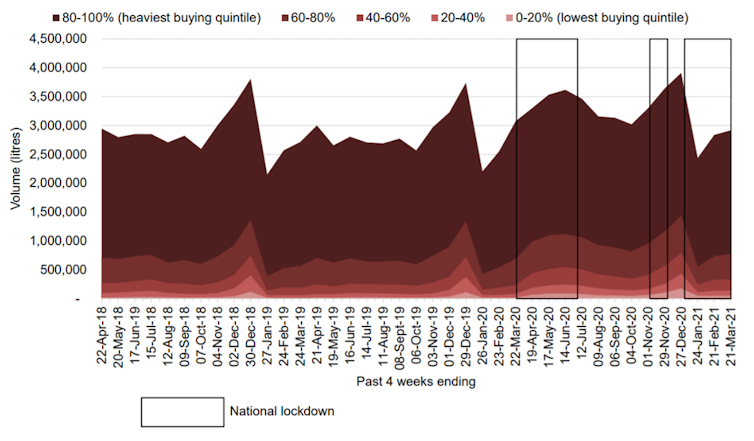
Source: Public Health England

Although overall consumption of alcohol has been slowly declining in recent years there is emerging evidence that some people have increased their consumption. The heaviest-buying segment of the population increased their purchasing by 5.3 million litres of alcohol (+14.3%) from 2019 to 2021. At the same time physical harm from alcohol has been increasing, with a significant rise in hospital admissions and alcohol-related deaths.

Public Health England collated the results of 18 surveys of self-reported alcohol consumption during the pandemic. Between 11% and 37% reported drinking less but between 14% and 26% of people reported drinking more than usual. This is especially concerning given that we know most people underestimate how much they drink by up to 40% in these surveys.

Pubs were closed during the pandemic, so drinking at home increased. This may have encouraged drinking in large quantities as people tend to pour larger measures of alcohol when drinking at home compared to the measures they are given in bars.

Evidence found that those who experienced stress during the pandemic increased the amount of alcohol they drank and how often. One international study exploring alcohol consumption during periods of self-isolation found that it was British drinkers who were most likely to increase the amount of alcohol they consumed – which they say was due to elevated levels of COVID-related stress.

These surveys found a noticeable increase in consumption for some once the pandemic began. Those who were drinking below the governments recommended weekly limits, continued to stay within these limits. However those who were already drinking above the 14 units a week increased their consumption.

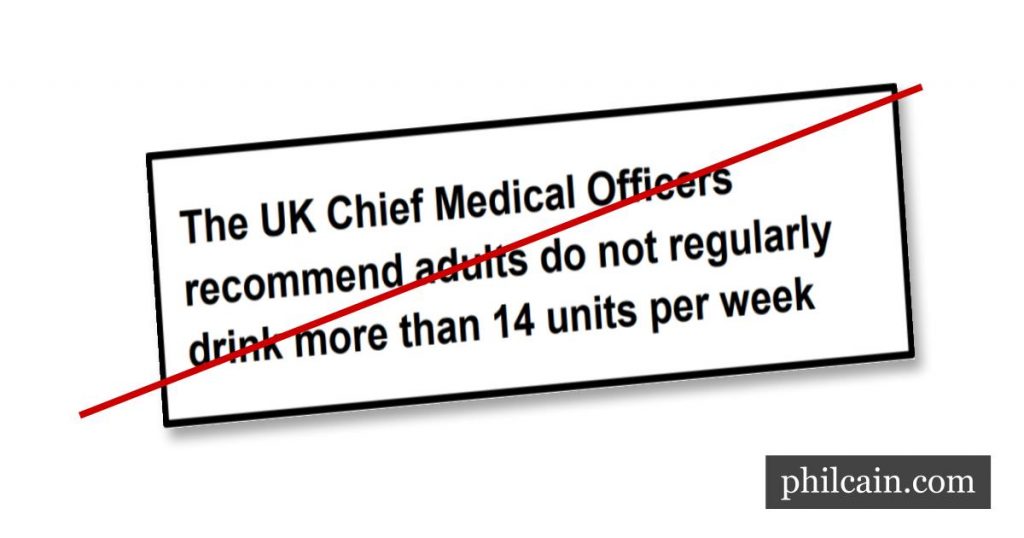
Current UK guidance suggests no more than 14 units of alcohol should be consumed in a week (see illustration).
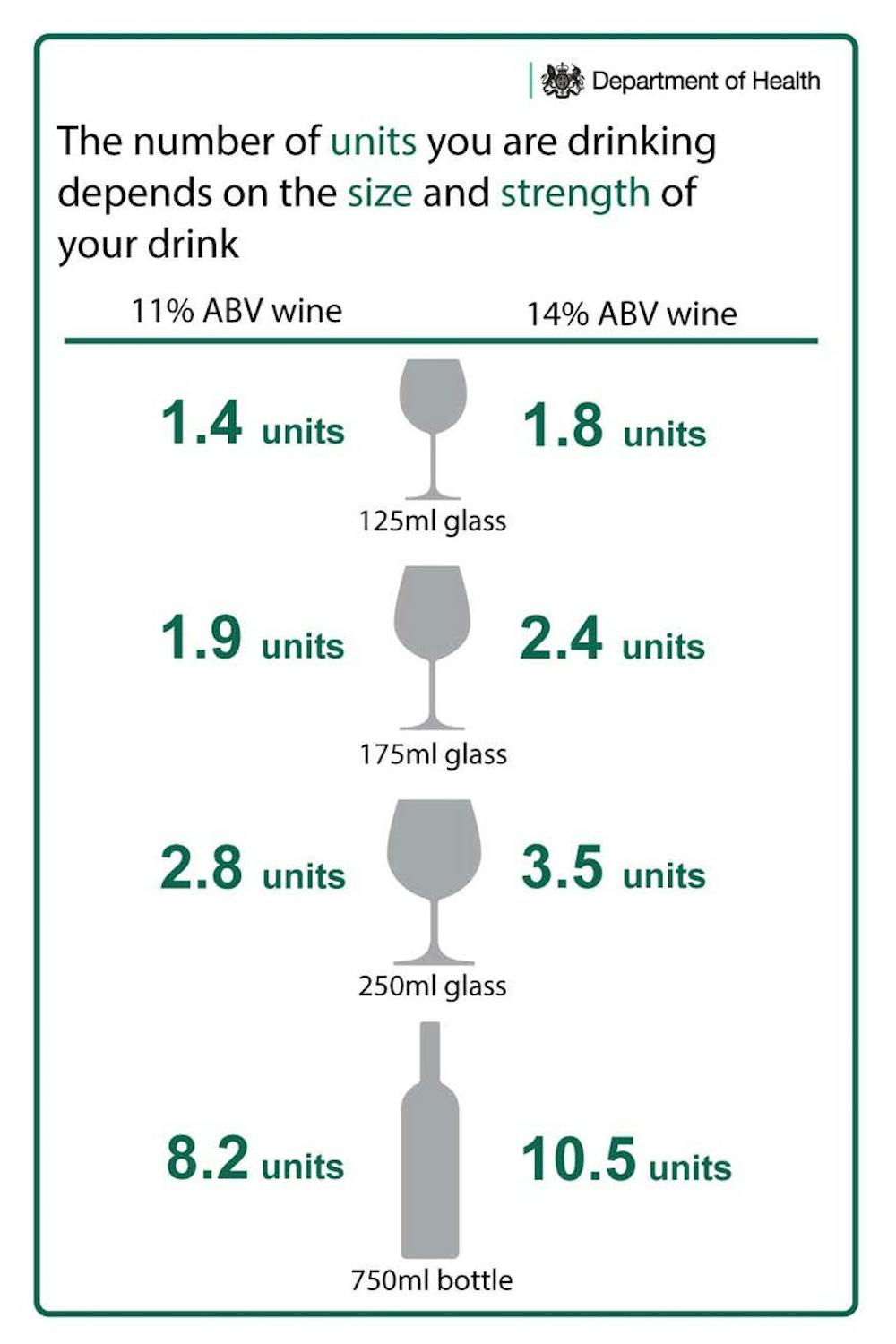
UK guidance on alcohol units.
Department of Health

Levels of hazardous drinking are considered to be more than 50 units a week for men and 35 units for women. Evidence suggests that there was a 59% increase in those reporting drinking at these levels compared to before the pandemic.

Some argue that the alcohol industry embraces the perception that the majority of people drink responsibly. This has been one of the industry’s main arguments for resisting greater regulation. The industry points to the need for personal responsibility rather than corporate responsibility, although they fail to define what responsible drinking is. This shifts the onus onto the individual to make a change to their drinking habits rather than requiring the industry to make changes to its marketing or promotion techniques.

At a time when there is a clear need to tackle increased alcohol consumption, funding for specialist treatment and support has been withering. Some sections of the alcohol industry were encouraged to increase marketing spend as it would be more effective than ever. Some analysis shows that alcohol companies have also used lockdown for targeted social media activity. And the alcohol industry’s multi-million pound spend on marketing is huge, compared with the budget for public health messages, a truly David and Goliath struggle.

There has been little mention of alcohol or our unhealthy relationship with it during the pandemic by the government. For instance, off-licences were deemed to be essential services and stayed open during lockdown. The alcohol industry has proved to be adept at influencing government policy in its favour.

As treatment budgets are cut industry marketing increases and there is nothing to suggest that there will be any reduction in demand for hospital treatment due to alcohol or, sadly, coroners recording yet more alcohol-related deaths.The Conversation ■

Ian Hamilton, Associate Professor of Addiction, University of York This article is republished from The Conversation under a Creative Commons license.
UPDATE: Olympic beer promotion deal includes all AB InBev brands

January 10, 2024

A heavily-criticised deal to promote beer brands at the next two Olympics covers all brands in AB InBev’s portfolio, Alcohol Review has learned.

The deal shows a “disgraceful disregard for the health and wellbeing of the millions of children” said the UK Association of Directors of Public Health on Monday, with Scottish health NGO SHAAP saying it is “very disappointing”,

The agreement between the International Olympic Committee (IOC) and AB InBev will cover “all the brands within AB InBev’s portfolio”, a spokesperson told Alcohol Review today, adding that there will be “a global focus on non-alcoholic beer products”. 

The deal includes “increased prominence and availability of these products for fans and athletes across the world to celebrate and encourage responsible drinking”, the IOC said. It said the  partnership will be “led globally” by AB InBev’s new no-alcohol brand Corona Cero. Olympic sponsors’ brands are not seen on the field of play as they would be in football.

“The proposed marketing activities are focussed on an adult audience only with a strong responsible drinking message as a key component. We are confident that this partnership will meet all appropriate industry standards in relation to its positioning and messaging,” said a British Olympic Association spokesperson.

Critics say the purpose of promoting a zero alcohol brand like this one is to simultaneously promote a near-identical alcoholic brand, hoping to sides-step advertising restrictions like those in France, which hosts the games this year. 

The IOC’s statement on Friday said AB InBev’s 3.5% Michelob Ultra brand will take the lead at the Los Angeles games in 2028. One of its selling points is being relatively low in calories. The Olympics have featured some alcohol sponsorship before but this is the first time an alcohol company has been a worldwide partner. ■

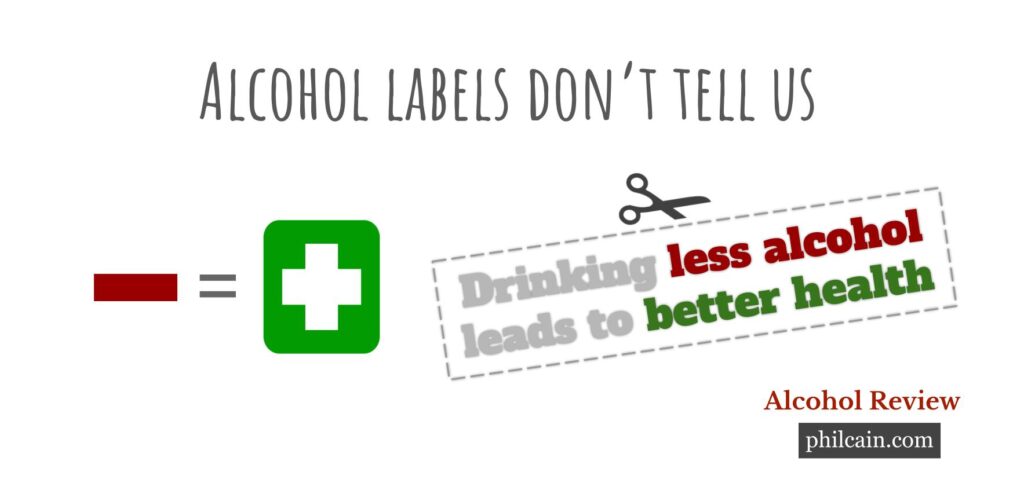
Alcohol, less is more

January 10, 2024

Reducing alcohol intake reduces the risks it poses to our health from the smallest amount. Fewer people know this than should. Please, help spread the word by joining the supporters. ■

Tepid reception for industry alcohol labelling pledge

January 10, 2024

News the biggest players in the UK’s alcohol industry have agreed to put weekly drinking guidelines on their labels, a month before a government deadline to do so, has prompted little jubilation among health advocates.

The Portman Group, an alcohol industry mouthpiece, dribbled out the news in a piece in the Daily Mail, couching its promise with a caveat about it being subject to “feasibility”. Jubilation was muted, with the UK’s trust-based system taking some 1,300 days to get this far.

The government agreed to let the alcohol industry have a “grace period” until September 1st to comply in March 2017, only making the agreement widely known in January this year. The terms of any new arrangement underlying today’s statement are unknown.

“This half-hearted pledge, by some parts of the alcohol industry, is a strong indicator that the UK deserves a fair system that sets a level playing field for all food and drinks producers,” the Alcohol Health Alliance told Alcohol Companion.”

“All alcohol products must advise drinkers about both the contents and consequences of consumption to empower consumers to make fully- informed choices about their health.”

“While this marks a half-step forward, it shows that the current system of alcohol industry self-regulation is failing consumers,” said Katherine Severi, head of the Institute of Alcohol Studies, which provides a health slant on alcohol policy

It remains to be seen what effect the Portman Group agreement will have, if any. It could prove to be mostly about refreshing the label for a period of inaction from “grace period” to “feasibility period”. ■

How much alcohol are we really drinking post-covid?

January 10, 2024

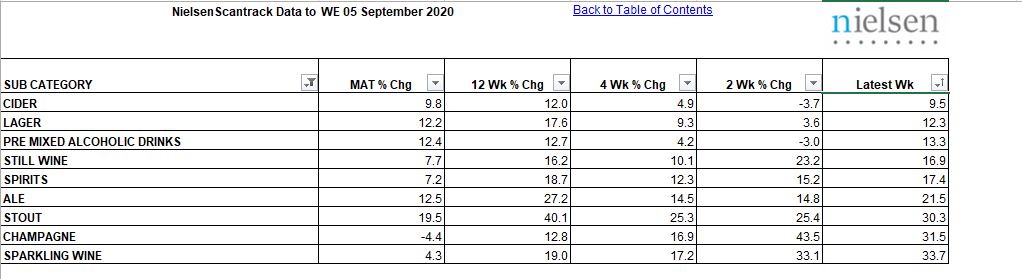
Notes: MAT = Moving Annual Total, a rolling 52 week period. All in comparison to the same time period last year. 

Data from mid-July showed a total volume of 1.3bn litres of alcoholic drinks were bought in shops in the first 17 weeks of lockdown, compared to 2bn litres in the same period the previous year. This is a 35% fall in the total volumes of alcoholic drink bought compared to last year. But this may overstate the fall in alcohol retail purchasing, because we tend to consume more wine at home than beer, so getting twice or three times the amount of alcohol per litre. So, for the statistically inclined, here are some figures on sales volumes growth by drink type, which should allow the calculation of an estimate of alcohol volume purchased. This story will be updated with any resulting analysis. ■

The nanny private sector

January 10, 2024

  • « Go to Previous Page
  • Page 1
  • Page 2
  • Page 3
  • Page 4
  • Page 5
  • Interim pages omitted …
  • Page 22
  • Go to Next Page »

Copyright © 2026 · Phil Cain Impressum