• Skip to main content

Alcohol Review

Alcohol understanding for all

  • Highlights
  • AR2026
    • AR2025
    • Earlier events
  • Register
  • About
    • Organisers
    • Contact
  • Log In|Log Out

ar-newsletter

Alcohol Review – Issue 106, September 10th 2024

January 10, 2024

Read on the homepage

Find this service useful?
Please leave a testimonial and consider joining Alcohol Review‘s supporters

News: Dementia risk found at all alcohol levels; Post-pandemic alcohol deaths in Scotland plateau; UK FASD failures; Violence drop after alcohol restrictions; Men’s Sheds defends alcohol partnership; US awareness rises. Opinion: Commercial awareness is an essential health defence. Shareable messages: Alcohol’s overall health risk and for dementia. 

Invitation: Alcohol Review’s first annual conference will be online on Thursday November 14th. Subscribe and secure your  early-bird discount

News:
Dementia risk found at all alcohol levels: There is a positive linear causal relationship between alcohol consumption and dementia among current drinkers, according to a study of over 300,000 UK drinkers in a Lancet journal. A mendelian randomisation analysis of the statistics does not show a dip in risk at lower doses, as seen in previous studies. Last month a Lancet commission recommended alcohol price controls to combat dementia, promoting an Alcohol Review message this month.

Post-pandemic alcohol deaths in Scotland plateau: Alcohol-specific deaths in Scotland were almost unchanged from the year before in 2023, at their highest level for 15 years. Death among women fell 5.5% but that was not enough to compensate for a 3% increase among men. Overall deaths are still 25% above pandemic levels. Those wanting to discredit minimum unit pricing policy are ignoring the discontinuity in the statistics. 

FASD failure: The vast majority of the relevant bodies in England and Wales are not commissioning for the diagnosis and management of foetal alcohol spectrum disorder care for children, young people and adults, says a new survey from the NGO National FASD. 

Steep violence drop after alcohol restrictions: Three towns in Western Australia’s far north saw a 42% fall in the number of alcohol-related family and domestic violence offences in the six weeks after alcohol restrictions were introduced in July.

Men’s wellbeing charity defends controversial alcohol partnership: The UK Men’s Sheds Association acknowledged concerns from health experts and shed users about its partnership with alcohol giant Diageo, as reported in the last issue, but highlighting the benefits of the controversial deal.
[Comment]

US awareness rises: A new high of 45% of Americans say drinking one or two alcoholic beverages per day is bad for one’s health, a six-percentage-point increase since last year and a 17-point increase since the prior reading in 2018.   

X-ternal feed: Alcohol Review started a Threads account for people tired of the atmos on Twitter/X. It is very quiet though.

Opinion:

Alertness to commercial interests is an essential health defence
Acknowledging that the profit motive warps health information is not just for alcohol policy nerds. It can help us lead healthier, more rewarding lives, at lower risk and lower cost.
[Comment]

Alcohol messages

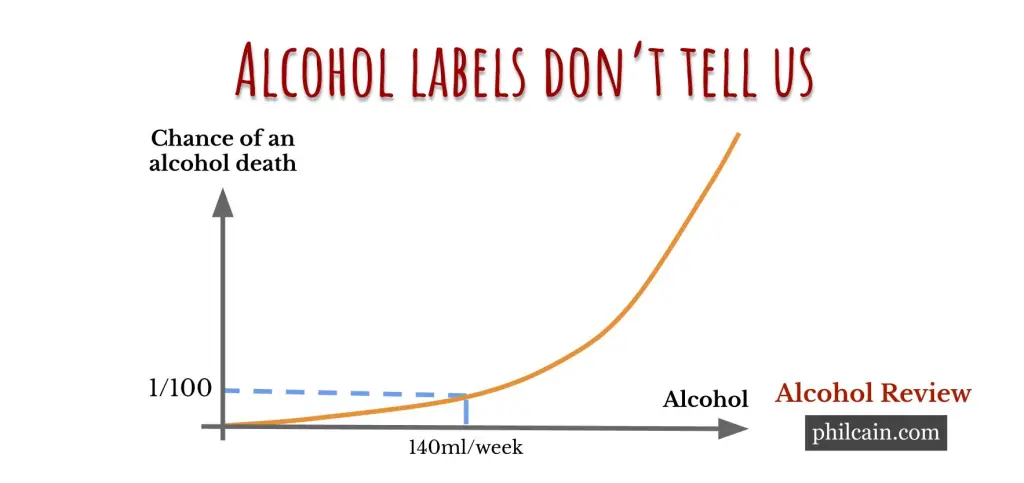
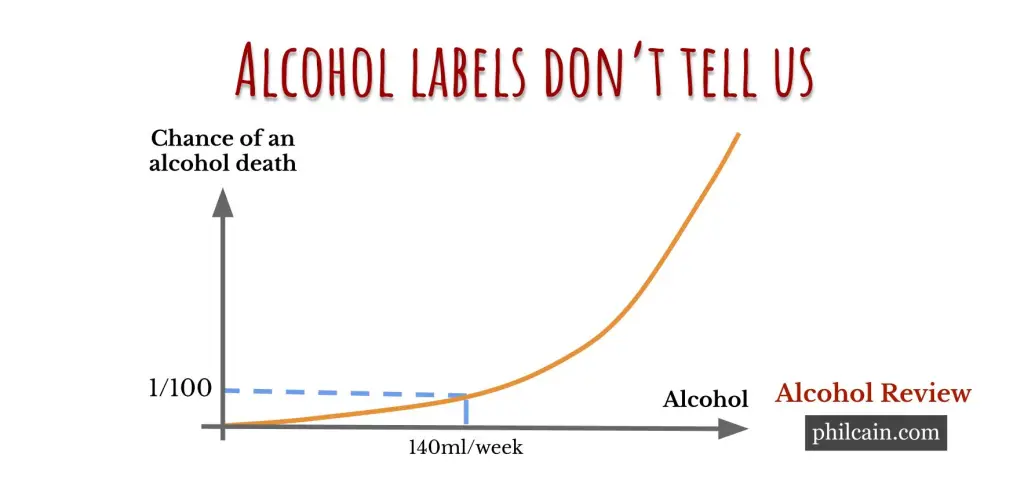
Alcohol risk made simple: The chance that alcohol causes our death increases rapidly with the amount consumed. Drinking under 140ml a week is estimated to keep the chances of an alcohol death below 1/100. The only way to make the risk zero risk is to not drink any.

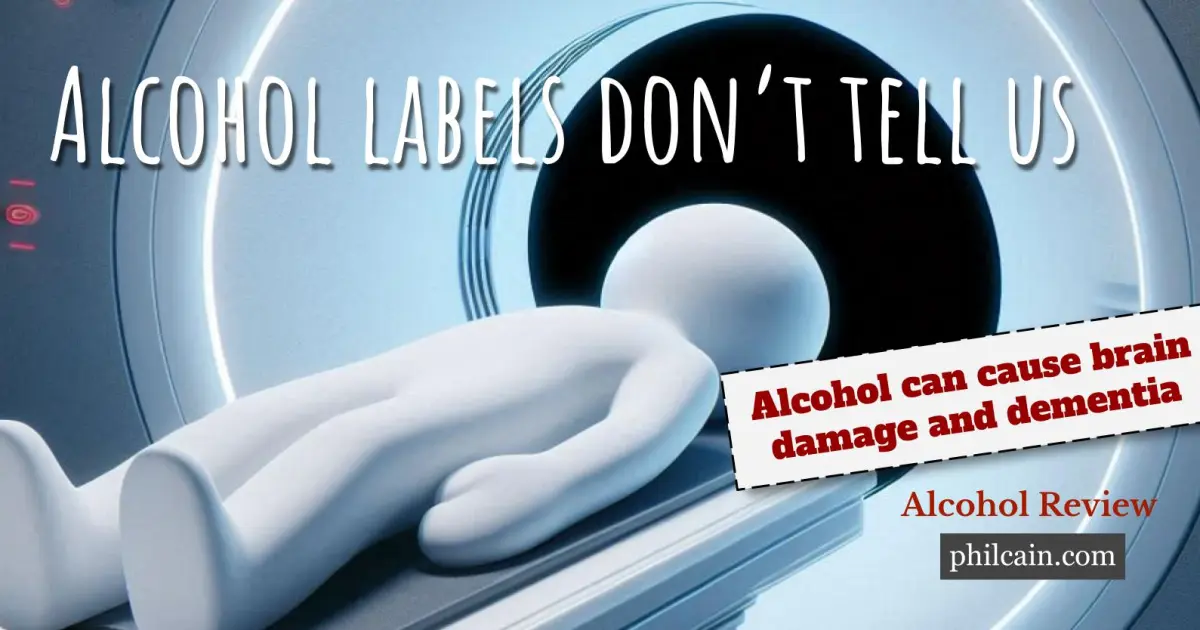
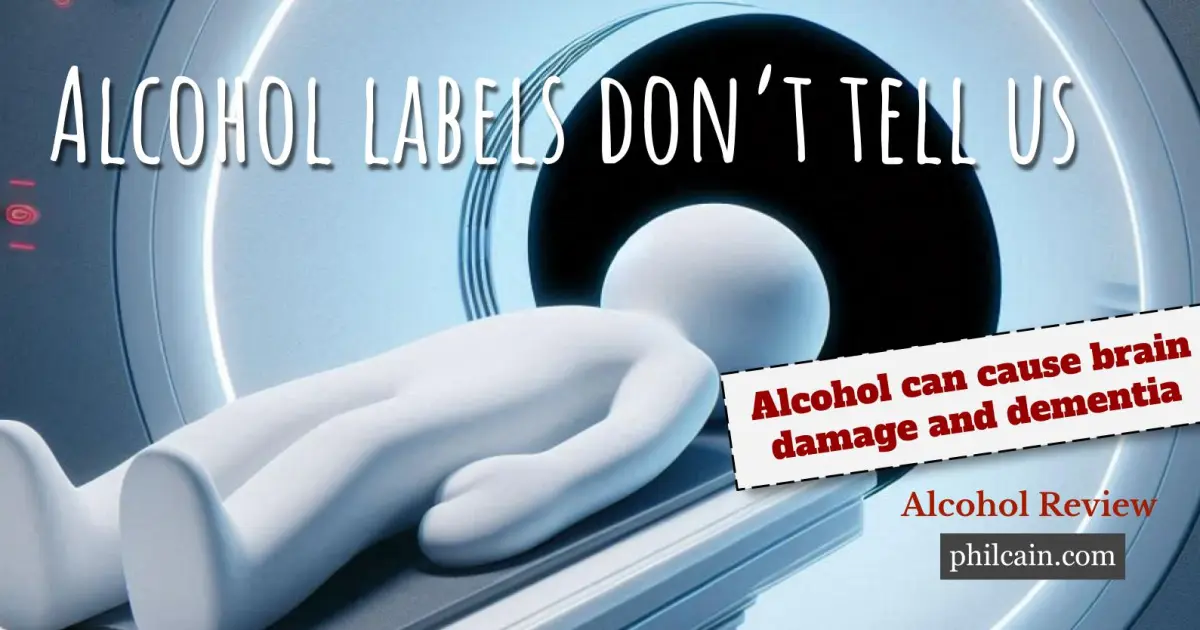
Alcohol can cause brain damage and dementia: Drinking more than a small amount of alcohol increases the risk of developing dementia in later life and can cause early-onset dementia and brain damage.
Find this service useful?
Please leave a testimonial and consider joining Alcohol Review‘s supporters ■

Alcohol Review – issue 90, March 19th 2023

January 10, 2024

Find this service useful?
Please join the Alcohol Review‘s supporters who make it possible

In this issue: Public health welcomes end of alcohol tax freeze; Asian flush linked to cancer; Ads create harmful online environments

Public health welcomes end of alcohol tax freeze

Public health advocates this week welcomed a UK Budget heeding its call for alcohol duty to rise at least in line with inflation, as well as a move intended to lower pub prices relative to retail.

It could have gone further still, public health representatives said, including by closing the loophole responsible for ultra-cheap cider. Pubs themselves argued that more effective support would come by helping with their energy costs, VAT and business rates. It remains to be seen how much of the duty fall reaches pump prices. Big alcohol interests expressed their unhappiness, but saw their share prices rise.

Alcohol Review is a reader-supported publication. To receive new posts and support my work, consider becoming a free or paid subscriber.

The government estimated that it had given away £405m to the alcohol industry by freezing duty in December (see table below). The lower tax rate for pubs announced in this budget will cost £80m a year, the same estimates say, just over a twentieth of the £1.3bn annualised loss of public income forecast had it kept the blanket duty freeze.

The inflationary linkages of duty may be the new normal, with Chancellor Jeremy Hunt saying it was done “in the usual way” though it is a rarity in recent years. News of the special rate for pubs was leaked via the Bloomberg news service, which hosted Hunt at an event on budget day evening also attended by owner Michael Bloomberg, a proponent of heath taxes.

Press materials released by the Treasury also quoted Michael Bloomberg giving a glowing assessment of the UK’s economic prospects.

In brief

East Asian people with a low tolerance to alcohol, commonly known as “Asian flush”, have an increased chance of developing a hard-to-cure type of stomach cancer if they drink alcohol, according to a study in Nature Genetics.

Alcohol companies are creating online environments for harm, according to a new report which found nearly 40,000 alcohol ads are placed on Facebook and Instagram each year in Australia. They are often come with a button saying ‘shop now’.

Break-ins were down 45%, domestic violence was down 30% and youth disturbances were down 36%, said a leaked police briefing a month after the reintroduction of alcohol restrictions in parts of Northern Territory. Others doubt the figures.

Alcohol Review is a reader-supported publication. To receive new posts and support my work, consider becoming a free or paid subscriber.

Alcohol Review – Issue 107, October 11th 2024

January 10, 2024

Read on the homepage

In this issue: Poland to tighten marketing laws; EU health commissioner vetting imminent; UK alcohol prices fall; Voluntary labels fail; Industry apps misinform, and more. Plus annual event discount and shareable messages.

Invitation: Alcohol Review’s first annual conference will be online on Thursday November 14th. Subscribe to secure your  early-bird discount

Find this service useful?
Please leave a testimonial and consider joining Alcohol Review‘s supporters

News:

Poland to tighten marketing laws: The Polish government plans to tighten regulations on marketing products. It is expected to make it compulsory to check documents to verify customers’ age and ban the sale of alcohol between 10pm and 6am at petrol stations. The move came after a furore over vodka drinks packaged in colourful sachets similar to those used for children’s fruit mousses. They have since been withdrawn. Prime Minister Donald Tusk said such products would be banned. In lightly markets like the UK producers use outrage at provocative packaging to generate publicity, knowing there will be no meaningful consequences.

EU health commissioner vetting imminent: EU parliament members will grill the health and animal welfare commissioner-designate, Oliver Varhelyi, on the evening of November 6th. European Commission president Ursula von der Leyen said in her nomination letter that Verhelyi will have to: take a “comprehensive approach to health promotion and disease prevention” to reduce the burden on healthcare systems; and “ensure the implementation of the European Beating Cancer Plan”, which is behind the EU’s stalled alcohol labelling efforts. Some see Varhelyi’s appointment as a blow to the health portfolio. His native Hungary is a loose cannon within the EU. Varhelyi also has no track record in health and gained a reputation for combative behaviour during his stint as enlargement commissioner.

UK alcohol prices fall: The prices of beer, wine and spirits have fallen in real terms during the cost-of-living crisis that started in 2021, according to analysis by alcohol expert Colin Angus.

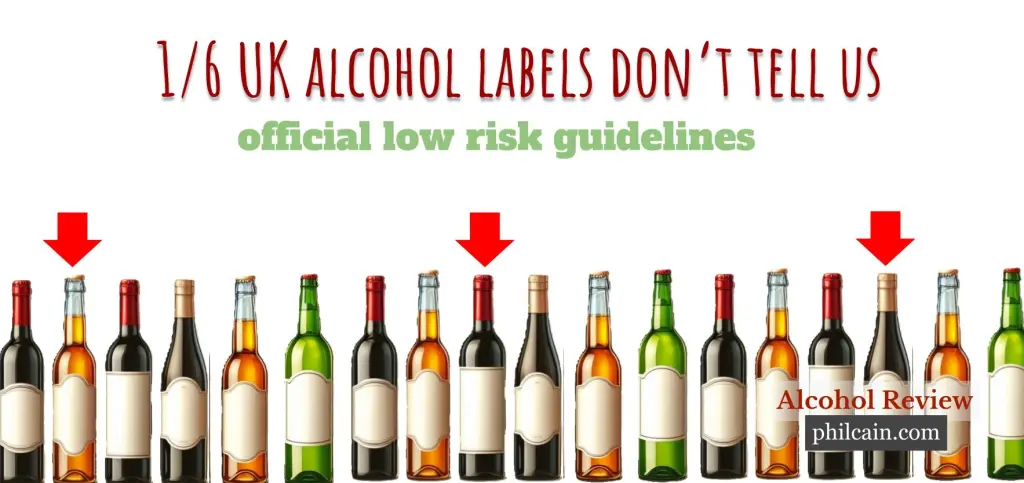
Voluntary labels fail: One-in-six alcohol product labels in the UK fail to give the official 140ml per week low risk drinking guidelines eight years after their introduction, according to the alcohol industry’s own figures. Half fail to give calorie information. There is a shareable message on this.

Research focus:

Industry apps misinform: Alcohol industry funded mobile apps misinform users about their alcohol consumption and could ‘nudge’ them towards increasing their intake, says a new study. 

Calorie labelling may cut consumption: A sizeable proportion of hazardous drinkers indicated] they would change their consumption practices if mandatory calorie labelling was introduced, says a new study.

Alcohol-free drinks could cut consumption: Heavier alcohol drinkers may experience a reduced benefit from a non-alcoholic drink intervention in terms of alcohol consumption reduction, according to a Japanese study.

Teenage IQ predicts midlife alcohol intake: People with higher IQ scores as teenagers were significantly more likely to be moderate or heavy drinkers in mid-life compared to abstaining.

Prenatal DNA damage: The harmful effects of alcohol on foetal development are not directly attributable to placental abnormalities, says a new paper. Molecular changes could play an important role, particularly gene expression due to changes in DNA methylation profiles.

Find this service informative?
Please leave a testimonial and consider joining Alcohol Review‘s supporters

Alcohol messages

Chronic labelling failure: Around one-in-six alcohol labels in the UK fail to give the official 140ml per week low risk drinking guidelines eight years after their introduction, according to the alcohol industry’s own figures.

Alcohol risk made simple: The chance that alcohol causes our death increases rapidly with the amount consumed. Drinking under 140ml a week is estimated to keep the chances of an alcohol death below 1/100. The only way to make the risk zero risk is to not drink any.


Alcohol can cause brain damage and dementia: Drinking more than a small amount of alcohol increases the risk of developing dementia in later life and can cause early-onset dementia and brain damage.

Full list of shareable alcohol messages…

Find this service valuable?
Please leave a testimonial and consider joining Alcohol Review‘s supporters ■
Alcohol Review – issue 92, July 14th 2023

January 10, 2024

Find this service useful?
Please join the Alcohol Review‘s supporters who make it possible

This week: Brits want alcohol-protected policy; CBT may help people with alcohol afflicted people sleep; Court ruling undermines Swedish alcohol monopoly

*Join the WhatsApp Group*

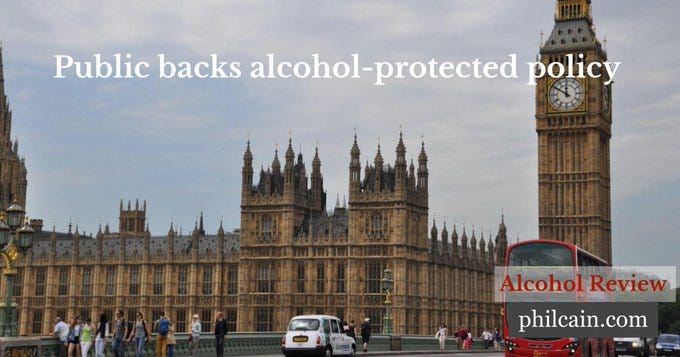
Seven in ten Brits want government policy to be protected from alcohol industry interference and a majority want a ban on alcohol advertising, says a survey for the Alcohol Health Alliance which launched its manifesto in Parliament this week.
https://twitter.com/alcohol_review/status/1678539848272187392

“Cognitive behavioural therapy (CBT) is an effective first-line treatment for insomnia among individuals with alcohol use disorder, regardless of abstinence from alcohol.”
https://twitter.com/alcohol_review/status/1679151249306820613

“Our research confirms that substance use induces long-lasting changes in the inhibitory communication between dMSNs and CINs [neurons], consequently dampening cognitive flexibility.”
https://twitter.com/alcohol_review/status/1679028325946105858

“Sweden’s Supreme Court on Friday said a Danish online wine retailer has the right to sell directly to Swedish households and businesses, in a ruling that could challenge the Nordic state’s alcohol retail monopoly.”
https://twitter.com/alcohol_review/status/1677312959297515521

“The percentage of [Kenyan] men who consume alcohol every day or almost every day decreases from 19% among men in the lowest quintile to 9% among those in the highest wealth quintile.”
https://twitter.com/alcohol_review/status/1676487967781662720

Alcohol Review – issue 93, July 22nd 2023

January 10, 2024

Find this service useful?
Please join the Alcohol Review‘s supporters who make it possible

*For alcohol books and resources, visit the homepage*

This week: US alcohol death surge rolled on; More US states allow teenage bartenders; Alice Springs’ restrictions prolonged; French tax tweak; Rwanda’s “Let’s drink less” campaign. Discussion: We should look more at the big picture.

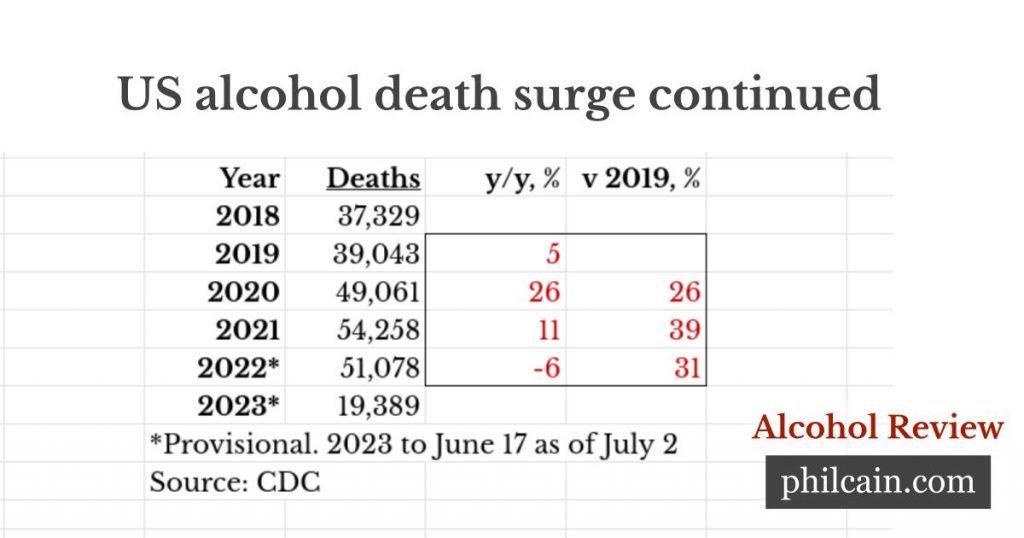
US alcohol death surge rolled on: The surge in US alcohol deaths continued last year with alcohol-induced fatalities at least 31% above pre-pandemic levels, according to the latest CDC estimates. The previous year saw a death toll 39% above pre-pandemic levels. The figure is only likely to increase as new cases are added to the CDC’s tally. It is already 6,000 higher than its February estimate.

More US states allow teenage bartenders: Nine US states have introduced bills to lower the minimum age for serving alcohol since 2021, according to a report by the Economic Policy Institute.

Alice Springs’ restrictions prolonged: Australia’s Northern Territory government will extended takeaway liquor restrictions in Alice Springs for at least the next 12 months, citing a dramatic reduction in harm to the community since their introduction. The local mayor and others, including the alcohol interests, are unhappy with the decision.

French tax tweak: France’s minister of economy told Le Figaro newspaper the government plans to increase alcohol taxes to curb excessive consumption. It appears to be considering a subtle change, indexing alcohol tax to last year’s inflation rather than that of the year before that.

“Let’s drink less” campaign: The Rwandan government this week launched the “TunyweLess”, or “Let’s Drink Less”, campaign in response to a survey showing a significant increase in alcohol consumption.

FASD nightmares: 60% of the children with foetal alcohol spectrum disorder experienced nightmares, while 44% exhibited frequent insomnia symptoms, according to a new study.

Discussion

Let’s look big picture: “It’s pretty clear why people don’t drink–the real question is why do people continue to drink when they don’t want to?” asked journalist Moya Lothian-McLean in a recent Guardian opinion piece. Alcohol Review suggests we should look more at the bigger picture and ways politicians can make healthier choices easier for us.

*For alcohol books and resources, see the homepage*

Alcohol Review – issue 94, August 3rd 2023

January 10, 2024

Find this service useful?
Please join the Alcohol Review‘s supporters who make it possible

This week: Brits now enjoy big savings from alcohol reduction; UK to end to-go alcohol from bars; Alcohol boosts blood pressure; A third of Irish farmers drink harmfully; Ad tracking aid shows promise

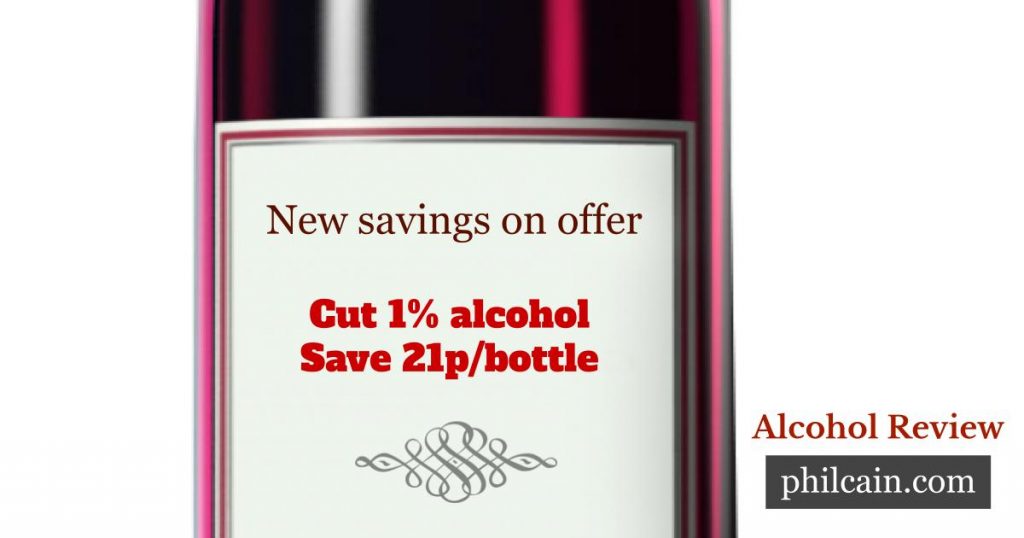
Brits now enjoy big savings from alcohol reduction: UK wine suppliers and their costumers now pay 21p less in tax for every percentage point they cut from any 75cl bottle of wine purchased. This means tax on a 75cl bottle of 9% wine is now £1.92 ($2.44), a 14% fall of 31p from the flat fee of £2.23 charged before August 1st. The old system meant that wines of 14% were charged 40% less per ml of alcohol than wines of 9%, despite posing less risk to consumers’ health. Public health advocates welcomed the new tax structure, as well as taxes rising to match inflation. The wine industry complained that it will lose money under the news system because its current offerings have not adapted to the new tax system. Others say there are no good low alcohol wines. Alcohol Review suggests that some businesses will succeed in profiting where others fail. 

UK to end to-go alcohol from bars: The UK will wind up a scheme to allow pubs to sell to-go alcohol on 30 September, the Home Office has said. It stands in marked contrast to the widespread extension of state level bar off-sales mandates in the US, where alcohol deaths were still up 31% on pre-pandemic levels last year.

Alcohol boosts blood pressure: As little as one alcoholic drink a day increased systolic blood pressure, according to a new study. The study found no beneficial effects in adults who drank a low level of alcohol compared to those who did not drink alcohol.

A third of Irish farmers drink harmfully: One in three farmers in Ireland drink alcohol at harmful levels, according to a new study, and one in 20 takes drugs, with most of them doing so to a risky degree. But 28% do not drink alcohol.

Ad tracking aid shows promise: An artificial intelligence called Zero-Shot Learning has shown promise in recognising alcohol exposures in media, a laborious task normally done by people.

*For alcohol books and resources, see the homepage*

  • « Go to Previous Page
  • Page 1
  • Page 2
  • Page 3
  • Go to Next Page »

Copyright © 2026 · Phil Cain Impressum