• Skip to main content
  • Skip to primary sidebar

Alcohol Review

Alcohol understanding for all

  • Highlights
  • Events
    • AR2026
    • AR2025
    • Next year’s event
    • Earlier events
  • Register
  • About
    • Organisers
    • Contact
  • Log In

ar-newsletter

Alcohol Review – issue 104, June 29th 2024

January 10, 2024

Find this service useful?
Please join the Alcohol Review‘s supporters who make it possible

In this issue: UK alcohol health policy door open; Annual alcohol deaths globally; Labels work; Indian widowhood often linked to alcohol; Ghana’s celeb ad ban upheld.
Opinion England’s absurd official beer ad brings home the need for regulation, argues Alcohol Review’s editor.
Alcohol messages
A few recent shareable posts highlighting some key alcohol information.

Invitation: Alcohol Review’s first annual conference will be online on Thursday November 14th. Early-bird discounts available

News
UK alcohol health policy door open: None of the UK election manifestos made specific mention of alcohol health policy but Labour, the likely winner of the July 4th election, leaves the door open to taking action. It pledges to take “preventative public health measures” to tackle the“biggest killers” when UK alcohol deaths remain at near record levels. 

Annual alcohol deaths globally: There are 2.6m deaths a year worldwide attributable to alcohol consumption, with three-quarters of the dead being men, says a new WHO report. Nearly two-thirds of these alcohol deaths are from noncommunicable diseases, with 18% of the total from cardiovascular disease and 15% from cancer. 

Labels work: Well designed labels carrying rotating messages on alcohol’s adverse health effects are likely to be “particularly effective” in changing consumption behaviour, found a new comprehensive research review.

Indian widowhood often linked to alcohol: Nearly 40% of widows in Tamil Nadu linked their widowhood to the alcohol addiction of their deceased spouse, said a report from the Indian state’s Widows and Destitute Women Welfare Association.

Ghana’s celeb ad ban upheld: Ghana’s Supreme Court this month dismissed a challenge to a law banning celebrities from advertising alcohol.

Feature
England’s absurd beer ad brings home need for regulation
The wisdom of making Euro 2024 a beer marketing bonanza should surely be questioned when alcohol deaths are still 30% above pre-pandemic levels in the UK and elsewhere, argues Alcohol Review’s editor Phil Cain.

Alcohol messages
A few recent shareable posts highlighting some key alcohol information
NEW: Less alcohol means fewer mistakes #2
NEW: QR codes hide alcohol information
NEW: Alcohol kills twice as many men as women
NEW: Drinking less alcohol means fewer mistakes #1
Archive: Full list of alcohol messages 

Find this service useful?
Please join the Alcohol Review‘s supporters who make it possible

Alcohol Review – issue 105, August 2nd 2024

January 10, 2024

Find this service useful?
Please join the Alcohol Review‘s supporters who make it possible

In this issue: Dementia experts back alcohol price control; Dismay at wellbeing charity alcohol deal; Spain drafts framework to protect minors; German beer market 8% alcohol-free; Indian surrogate ad rules near

Alcohol messages
A few recent shareable posts highlighting some key alcohol messages.

Invitation: Alcohol Review’s first annual conference will be online on Thursday November 14th. Early-bird discounts available

News
Lancet experts recommend alcohol price controls to combat dementia. Alcohol price controls should be among the steps used to reduce high alcohol consumption to prevent or delay two out of five dementia cases, says a new report from a Lancet commission. [Comment]

Men’s wellbeing charity’s alcohol partnership sparks dismay. Public health professionals have expressed disappointment at a partnership between the UK Men’s Sheds Association, which supports social and creative community spaces, and alcohol multinational Diageo.
[Comment]

Spain drafts framework to protect minors. Spain’s health minister presented a draft law to establish a framework to protect the health of minors and ‘promote responsible alcohol consumption in society’.

German beer market now 8% alcohol-free: Alcohol-free beer made up under 8% of total beer production in Germany, having doubled in volume over the last ten years. In the UK it is more like 1-2%. The impact on alcohol harm is unclear, but some researchers plan to learn more.

India finalising surrogate ad rules: India’s Department of Consumer Affairs within weeks of publishing draft rules on surrogate ads for alcohol and tobacco, according to local media.

Alcohol messages
A few recent shareable posts highlighting some key alcohol information:
NEW: Alcohol Review 0.0 – an alcohol-free sub-brand can be used to promote the main alcohol brand
NEW: Alcohol undermines our nerve
Archive: Full list of alcohol messages 

Find this service useful?
Please join the Alcohol Review‘s supporters who make it possible

Alcohol Review – Issue 106, September 10th 2024

January 10, 2024

Read on the homepage

Find this service useful?
Please leave a testimonial and consider joining Alcohol Review‘s supporters

News: Dementia risk found at all alcohol levels; Post-pandemic alcohol deaths in Scotland plateau; UK FASD failures; Violence drop after alcohol restrictions; Men’s Sheds defends alcohol partnership; US awareness rises. Opinion: Commercial awareness is an essential health defence. Shareable messages: Alcohol’s overall health risk and for dementia. 

Invitation: Alcohol Review’s first annual conference will be online on Thursday November 14th. Subscribe and secure your  early-bird discount

News:
Dementia risk found at all alcohol levels: There is a positive linear causal relationship between alcohol consumption and dementia among current drinkers, according to a study of over 300,000 UK drinkers in a Lancet journal. A mendelian randomisation analysis of the statistics does not show a dip in risk at lower doses, as seen in previous studies. Last month a Lancet commission recommended alcohol price controls to combat dementia, promoting an Alcohol Review message this month.

Post-pandemic alcohol deaths in Scotland plateau: Alcohol-specific deaths in Scotland were almost unchanged from the year before in 2023, at their highest level for 15 years. Death among women fell 5.5% but that was not enough to compensate for a 3% increase among men. Overall deaths are still 25% above pandemic levels. Those wanting to discredit minimum unit pricing policy are ignoring the discontinuity in the statistics. 

FASD failure: The vast majority of the relevant bodies in England and Wales are not commissioning for the diagnosis and management of foetal alcohol spectrum disorder care for children, young people and adults, says a new survey from the NGO National FASD. 

Steep violence drop after alcohol restrictions: Three towns in Western Australia’s far north saw a 42% fall in the number of alcohol-related family and domestic violence offences in the six weeks after alcohol restrictions were introduced in July.

Men’s wellbeing charity defends controversial alcohol partnership: The UK Men’s Sheds Association acknowledged concerns from health experts and shed users about its partnership with alcohol giant Diageo, as reported in the last issue, but highlighting the benefits of the controversial deal.
[Comment]

US awareness rises: A new high of 45% of Americans say drinking one or two alcoholic beverages per day is bad for one’s health, a six-percentage-point increase since last year and a 17-point increase since the prior reading in 2018.   

X-ternal feed: Alcohol Review started a Threads account for people tired of the atmos on Twitter/X. It is very quiet though.

Opinion:

Alertness to commercial interests is an essential health defence
Acknowledging that the profit motive warps health information is not just for alcohol policy nerds. It can help us lead healthier, more rewarding lives, at lower risk and lower cost.
[Comment]

Alcohol messages

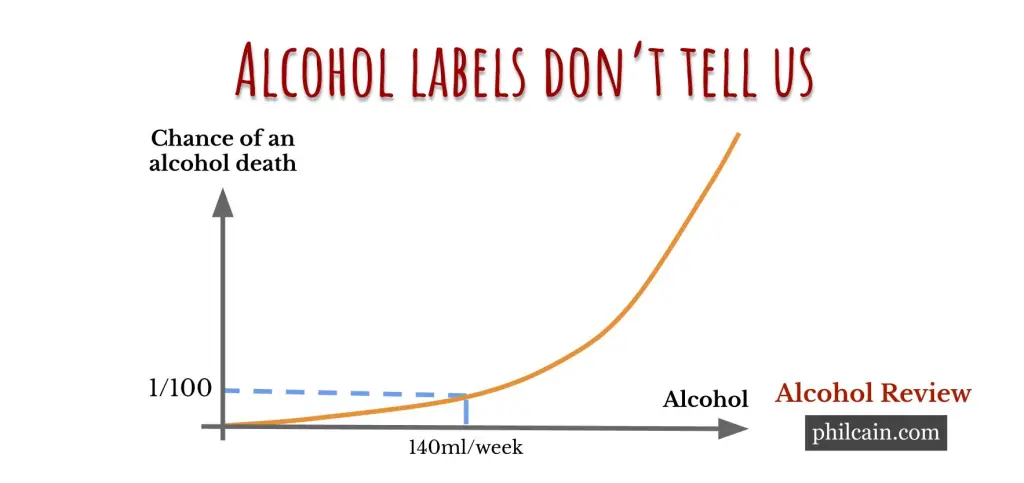
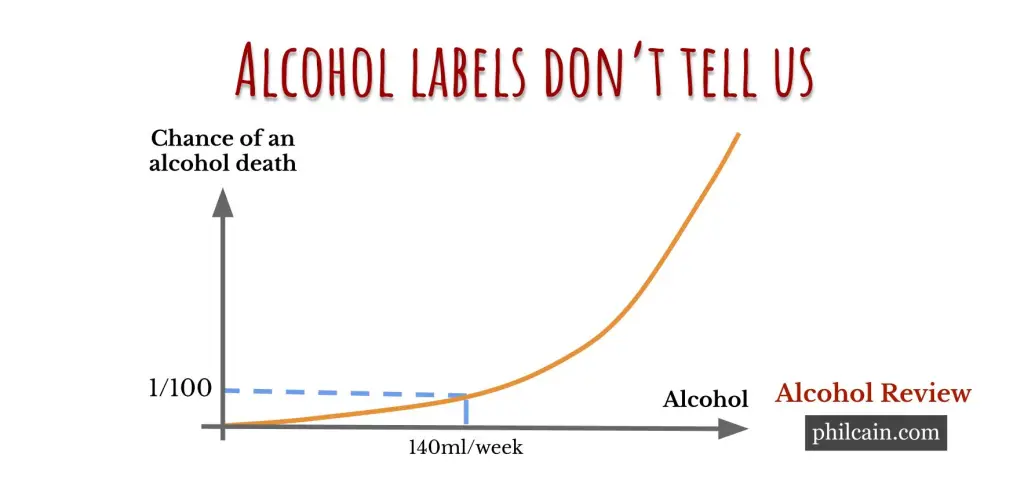
Alcohol risk made simple: The chance that alcohol causes our death increases rapidly with the amount consumed. Drinking under 140ml a week is estimated to keep the chances of an alcohol death below 1/100. The only way to make the risk zero risk is to not drink any.


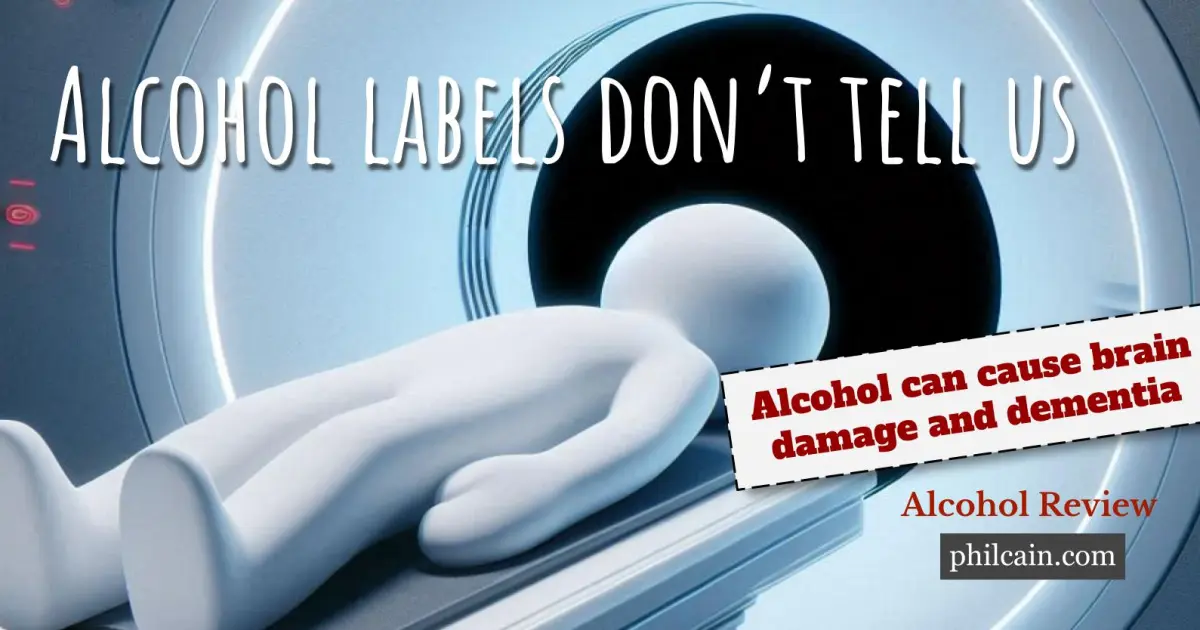
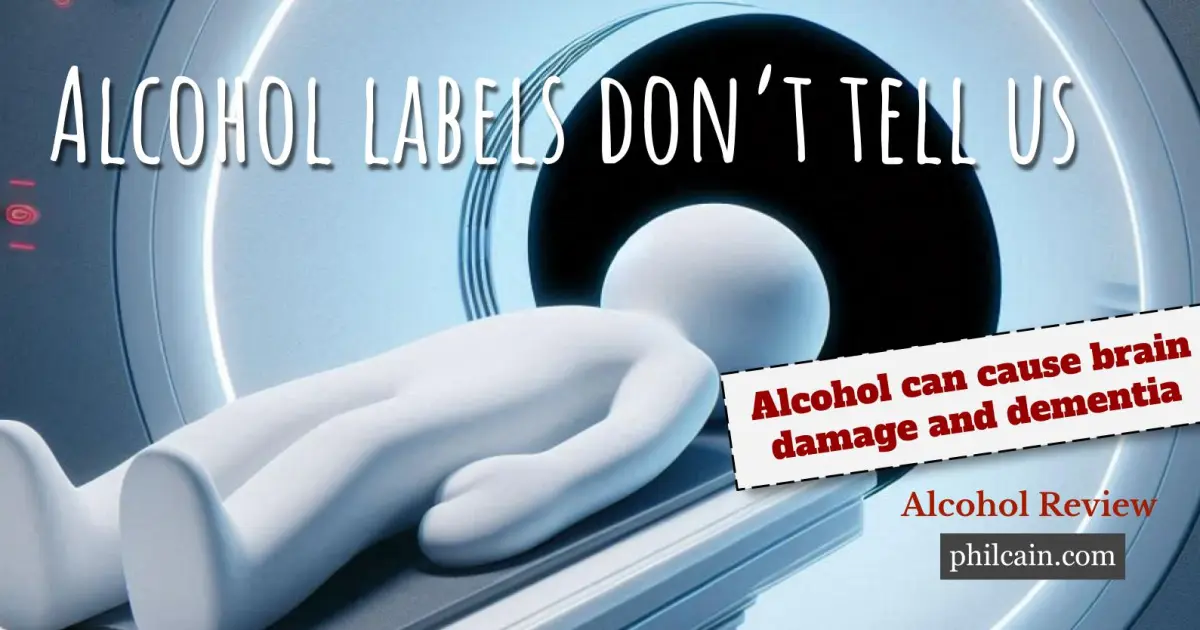
Alcohol can cause brain damage and dementia: Drinking more than a small amount of alcohol increases the risk of developing dementia in later life and can cause early-onset dementia and brain damage.

Find this service useful?
Please leave a testimonial and consider joining Alcohol Review‘s supporters ■

Alcohol Review – issue 90, March 19th 2023

January 10, 2024

Find this service useful?
Please join the Alcohol Review‘s supporters who make it possible
In this issue: Public health welcomes end of alcohol tax freeze; Asian flush linked to cancer; Ads create harmful online environments

Public health welcomes end of alcohol tax freeze

Public health advocates this week welcomed a UK Budget heeding its call for alcohol duty to rise at least in line with inflation, as well as a move intended to lower pub prices relative to retail.

It could have gone further still, public health representatives said, including by closing the loophole responsible for ultra-cheap cider. Pubs themselves argued that more effective support would come by helping with their energy costs, VAT and business rates. It remains to be seen how much of the duty fall reaches pump prices. Big alcohol interests expressed their unhappiness, but saw their share prices rise.

Alcohol Review is a reader-supported publication. To receive new posts and support my work, consider becoming a free or paid subscriber.

The government estimated that it had given away £405m to the alcohol industry by freezing duty in December (see table below). The lower tax rate for pubs announced in this budget will cost £80m a year, the same estimates say, just over a twentieth of the £1.3bn annualised loss of public income forecast had it kept the blanket duty freeze.

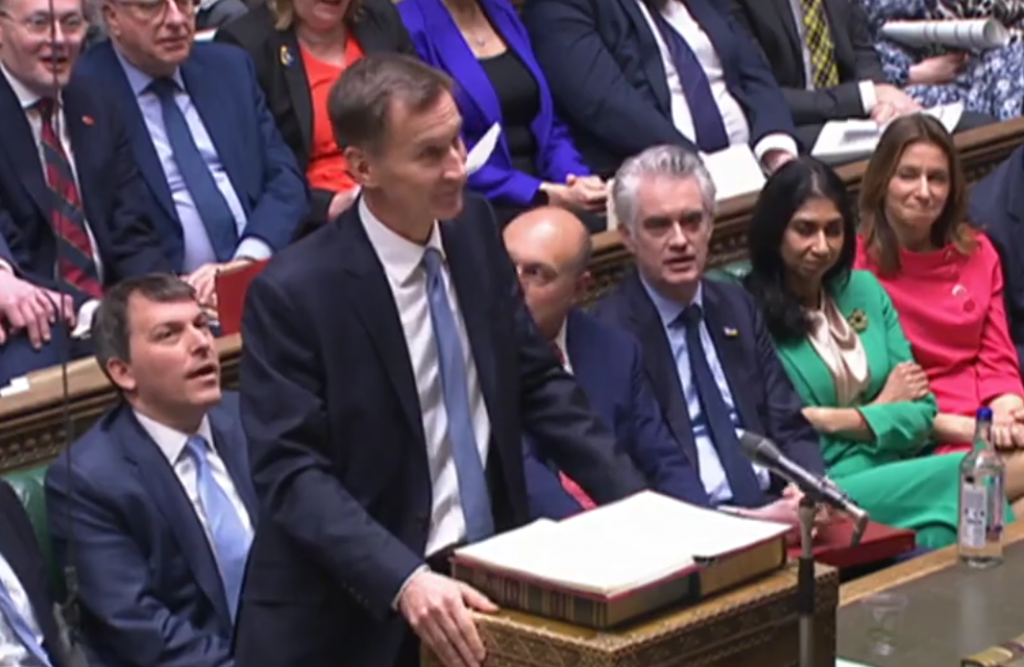
The inflationary linkages of duty may be the new normal, with Chancellor Jeremy Hunt saying it was done “in the usual way” though it is a rarity in recent years. News of the special rate for pubs was leaked via the Bloomberg news service, which hosted Hunt at an event on budget day evening also attended by owner Michael Bloomberg, a proponent of heath taxes.

Press materials released by the Treasury also quoted Michael Bloomberg giving a glowing assessment of the UK’s economic prospects.

In brief

East Asian people with a low tolerance to alcohol, commonly known as “Asian flush”, have an increased chance of developing a hard-to-cure type of stomach cancer if they drink alcohol, according to a study in Nature Genetics.

Alcohol companies are creating online environments for harm, according to a new report which found nearly 40,000 alcohol ads are placed on Facebook and Instagram each year in Australia. They are often come with a button saying ‘shop now’.

Break-ins were down 45%, domestic violence was down 30% and youth disturbances were down 36%, said a leaked police briefing a month after the reintroduction of alcohol restrictions in parts of Northern Territory. Others doubt the figures.

Alcohol Review is a reader-supported publication. To receive new posts and support my work, consider becoming a free or paid subscriber.

Alcohol Review – Issue 107, October 11th 2024

January 10, 2024

Read on the homepage

In this issue: Poland to tighten marketing laws; EU health commissioner vetting imminent; UK alcohol prices fall; Voluntary labels fail; Industry apps misinform, and more. Plus annual event discount and shareable messages.

Invitation: Alcohol Review’s first annual conference will be online on Thursday November 14th. Subscribe to secure your  early-bird discount

Find this service useful?
Please leave a testimonial and consider joining Alcohol Review‘s supporters

News:

Poland to tighten marketing laws: The Polish government plans to tighten regulations on marketing products. It is expected to make it compulsory to check documents to verify customers’ age and ban the sale of alcohol between 10pm and 6am at petrol stations. The move came after a furore over vodka drinks packaged in colourful sachets similar to those used for children’s fruit mousses. They have since been withdrawn. Prime Minister Donald Tusk said such products would be banned. In lightly markets like the UK producers use outrage at provocative packaging to generate publicity, knowing there will be no meaningful consequences.

EU health commissioner vetting imminent: EU parliament members will grill the health and animal welfare commissioner-designate, Oliver Varhelyi, on the evening of November 6th. European Commission president Ursula von der Leyen said in her nomination letter that Verhelyi will have to: take a “comprehensive approach to health promotion and disease prevention” to reduce the burden on healthcare systems; and “ensure the implementation of the European Beating Cancer Plan”, which is behind the EU’s stalled alcohol labelling efforts. Some see Varhelyi’s appointment as a blow to the health portfolio. His native Hungary is a loose cannon within the EU. Varhelyi also has no track record in health and gained a reputation for combative behaviour during his stint as enlargement commissioner.

UK alcohol prices fall: The prices of beer, wine and spirits have fallen in real terms during the cost-of-living crisis that started in 2021, according to analysis by alcohol expert Colin Angus.

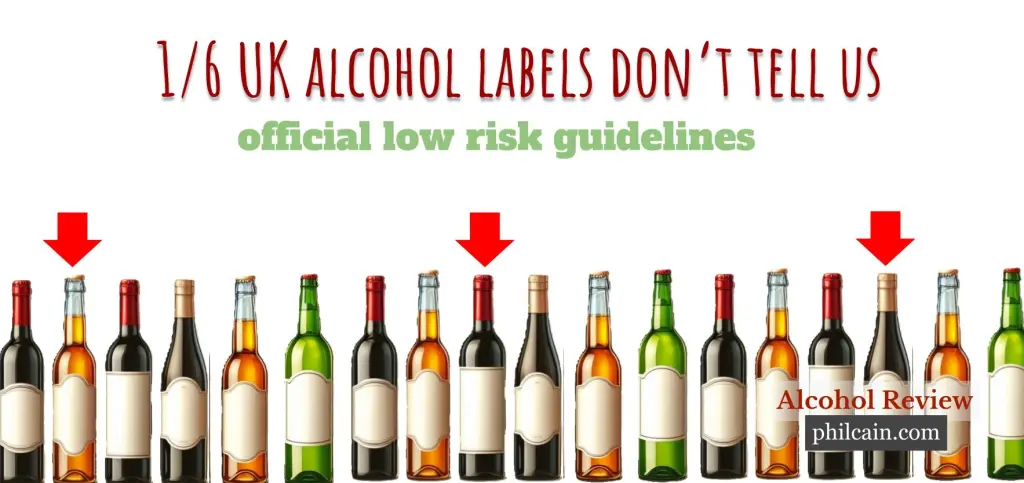
Voluntary labels fail: One-in-six alcohol product labels in the UK fail to give the official 140ml per week low risk drinking guidelines eight years after their introduction, according to the alcohol industry’s own figures. Half fail to give calorie information. There is a shareable message on this.

Research focus:

Industry apps misinform: Alcohol industry funded mobile apps misinform users about their alcohol consumption and could ‘nudge’ them towards increasing their intake, says a new study. 

Calorie labelling may cut consumption: A sizeable proportion of hazardous drinkers indicated] they would change their consumption practices if mandatory calorie labelling was introduced, says a new study.

Alcohol-free drinks could cut consumption: Heavier alcohol drinkers may experience a reduced benefit from a non-alcoholic drink intervention in terms of alcohol consumption reduction, according to a Japanese study.

Teenage IQ predicts midlife alcohol intake: People with higher IQ scores as teenagers were significantly more likely to be moderate or heavy drinkers in mid-life compared to abstaining.

Prenatal DNA damage: The harmful effects of alcohol on foetal development are not directly attributable to placental abnormalities, says a new paper. Molecular changes could play an important role, particularly gene expression due to changes in DNA methylation profiles.

Find this service informative?
Please leave a testimonial and consider joining Alcohol Review‘s supporters

Alcohol messages

Chronic labelling failure: Around one-in-six alcohol labels in the UK fail to give the official 140ml per week low risk drinking guidelines eight years after their introduction, according to the alcohol industry’s own figures.

Alcohol risk made simple: The chance that alcohol causes our death increases rapidly with the amount consumed. Drinking under 140ml a week is estimated to keep the chances of an alcohol death below 1/100. The only way to make the risk zero risk is to not drink any.


Alcohol can cause brain damage and dementia: Drinking more than a small amount of alcohol increases the risk of developing dementia in later life and can cause early-onset dementia and brain damage.

Full list of shareable alcohol messages…

Find this service valuable?
Please leave a testimonial and consider joining Alcohol Review‘s supporters ■

Alcohol Review – issue 92, July 14th 2023

January 10, 2024

Find this service useful?
Please join the Alcohol Review‘s supporters who make it possible
This week: Brits want alcohol-protected policy; CBT may help people with alcohol afflicted people sleep; Court ruling undermines Swedish alcohol monopoly

*Join the WhatsApp Group*

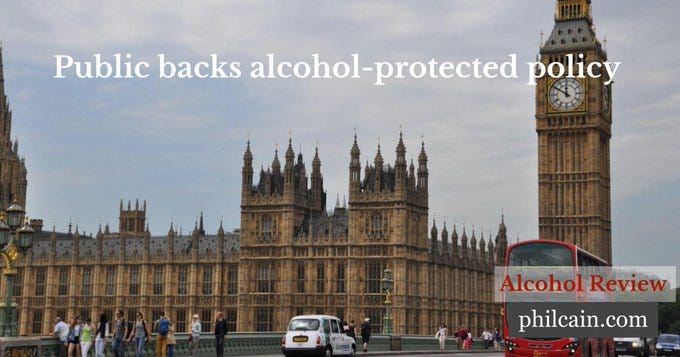
Seven in ten Brits want government policy to be protected from alcohol industry interference and a majority want a ban on alcohol advertising, says a survey for the Alcohol Health Alliance which launched its manifesto in Parliament this week.
https://twitter.com/alcohol_review/status/1678539848272187392

“Cognitive behavioural therapy (CBT) is an effective first-line treatment for insomnia among individuals with alcohol use disorder, regardless of abstinence from alcohol.”
https://twitter.com/alcohol_review/status/1679151249306820613

“Our research confirms that substance use induces long-lasting changes in the inhibitory communication between dMSNs and CINs [neurons], consequently dampening cognitive flexibility.”
https://twitter.com/alcohol_review/status/1679028325946105858

“Sweden’s Supreme Court on Friday said a Danish online wine retailer has the right to sell directly to Swedish households and businesses, in a ruling that could challenge the Nordic state’s alcohol retail monopoly.”
https://twitter.com/alcohol_review/status/1677312959297515521

“The percentage of [Kenyan] men who consume alcohol every day or almost every day decreases from 19% among men in the lowest quintile to 9% among those in the highest wealth quintile.”
https://twitter.com/alcohol_review/status/1676487967781662720

  • « Go to Previous Page
  • Page 1
  • Page 2
  • Page 3

Primary Sidebar

Follow us

  • Bluesky
  • Instagram
  • LinkedIn
  • Twitter
  • WhatsApp

Copyright © 2026 · Phil Cain Impressum


Loading Comments...