• Skip to main content
  • Skip to primary sidebar

Alcohol Review

Alcohol understanding for all

  • Highlights
    • Messages
    • Newsletters
    • AR Live
  • Events
    • AR2026
    • AR2025
    • Next year’s event
    • Earlier events
  • Join
  • About
    • Organisers
    • Contact
  • Log In

philcain

Alcohol Review – Issue 108, November 15th 2024

November 15, 2024

Read on Substack

In this issue: EU alcohol labelling in limbo; US post-pandemic drinking stays high; Northern Ireland readies minimum pricing; Trump 2 brings uncertainty; Industry playbook outlined; Canada may pay availability price. Opinion: Alcohol-free beer hype is unhelpful.

Is this service helpful? Please join Alcohol Review‘s supporters and leave a testimonial

News:
EU alcohol labelling in limbo: MEPs are at loggerheads over proposed EU commissioners, not least the would-be health and animal welfare commissioner Oliver Varhelyi. He gave little reassurance the EU’s stalled alcohol nutrition and health labelling plans would move forward under him. A possible resolution may be to strip him of responsibility for reproductive rights and health preparedness, but that may still leave labelling in limbo.

US post-pandemic drinking up: Elevated levels of US alcohol consumption during the covid pandemic continued into 2022, found a new study. This would be consistent with US alcohol deaths that year being almost a third higher than before the pandemic. Little has been done, but Chicago Mayor Brandon Johnson is now proposing a tax hike of over 30%.

Northern Ireland readies minimum pricing: Stormont’s health minister said he is looking for executive approval for introducing minimum unit pricing for alcohol in Northern Ireland like that in Scotland.

Trump 2 brings uncertainty: The consequences of the second Trump administration for alcohol harm are unclear. Donald Trump is expected to give a prominent role in steering US health to prominent health conspiracy theorist RFK Jr. The industry, meanwhile, is fearful of tariff escalation. One analyst saw Brown-Forman, Constellation Brands and Diageo as possible casualties of a round of tariff raising.

Industry playbook outlined: The WHO launched an “Alcohol Policy Playbook” offering research contradicting commercial narratives and showing “no level of alcohol consumption is safe”.

Canada may pay availability price: Ontario’s widening of alcohol availability could result in a 40% rise in alcohol-attributable hospitalisations and 700 emergency room visits a day, a health coalition warned.

South African policy review: South Africa’s treasury has published a policy review paper on alcoholic beverage tax, including the possibility of introducing a minimum pricing and reforming taxes.

Opinion: [supporter preview]
Alcohol-free beer hype is unhelpful
Heavy marketing has created a buzz around alcohol-free beer diverting vital public attention from surging rates of alcohol harm. The stakes are too high to let commercial hype eclipse evidence-based action.

“What a great piece… the best, clearest thing I have read to date on the topic.”

Is this service helpful? Please join Alcohol Review‘s supporters and leave a testimonial
Alcohol messages

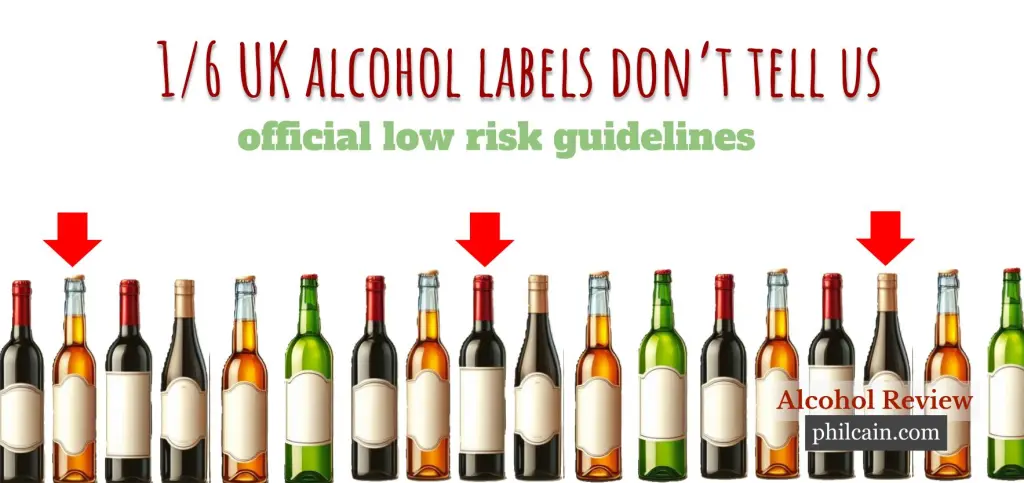
Chronic labelling failure: Around one-in-six alcohol labels in the UK fail to give the official 140ml per week low risk drinking guidelines eight years after their introduction, according to the alcohol industry’s own figures.

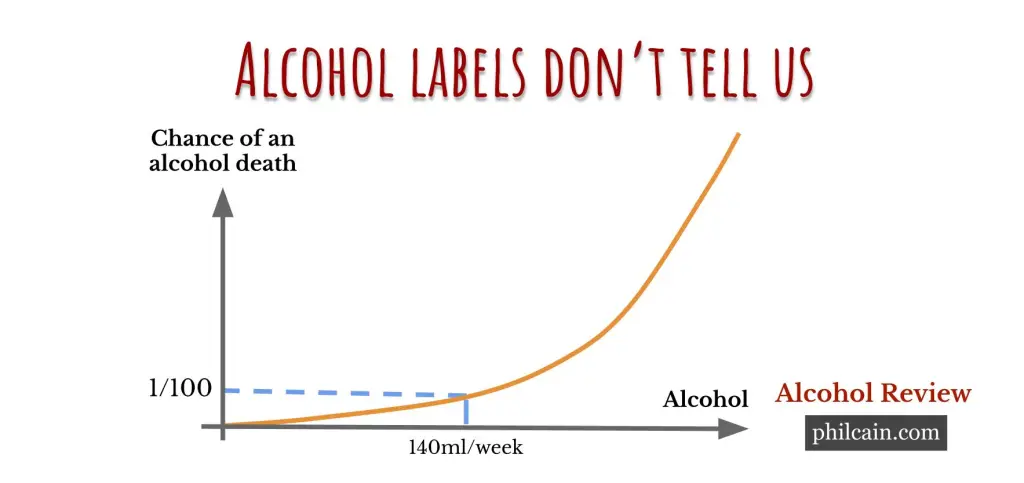
Alcohol risk made simple: The chance that alcohol causes our death increases rapidly with the amount consumed. Drinking under 140ml a week is estimated to keep the chances of an alcohol death below 1/100. The only way to make the risk zero risk is to not drink any.

Alcohol can cause brain damage and dementia: Drinking more than a small amount of alcohol increases the risk of developing dementia in later life and can cause early-onset dementia and brain damage.
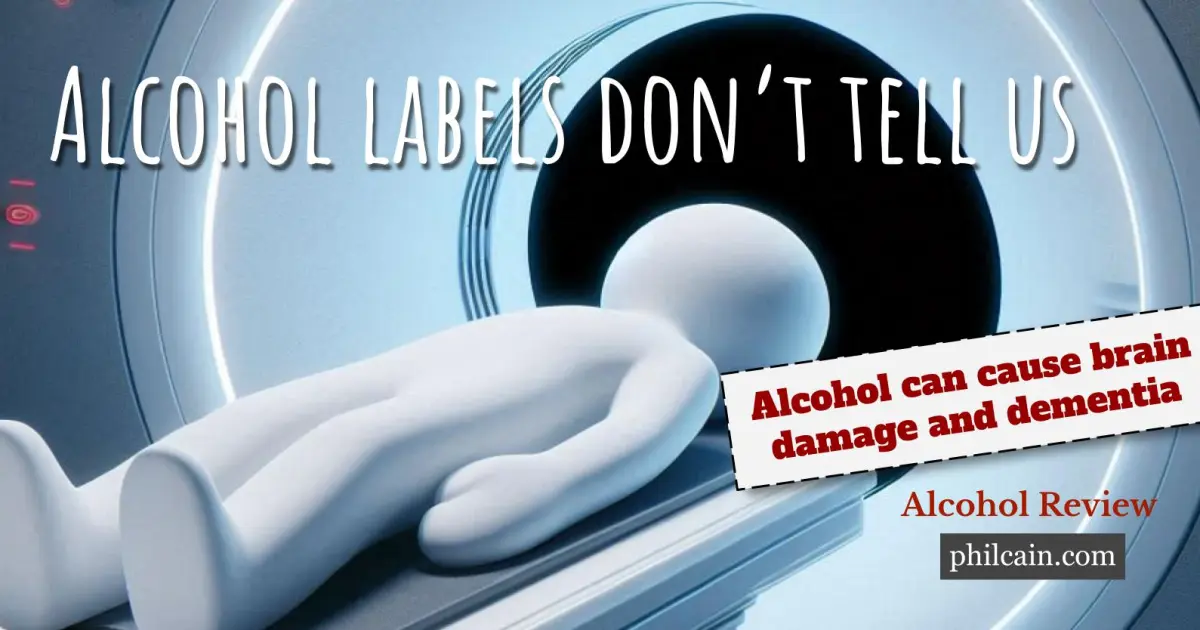
Full list of shareable alcohol messages…

Is this service helpful? Please join Alcohol Review‘s supporters and leave a testimonial
■

Would-be commissioner noncommittal on alcohol labelling

November 7, 2024

Also on Substack

Hungarian health Commissioner-designate Oliver Varhelyi faces further questions having last night offered MEPs no clear reassurance he would deliver long-overdue alcohol health labelling proposals.

“We have just introduced a couple of labelling conditions for wine: ingredients, alergen content, but also the energy content. Let’s see how they sink in on the use,” he said when Alessandra Moretti of Italy’s centre-left Democratic Party asked if he would commit to producing proposals on alcohol labelling.

“I believe that we need to reflect on how to change the narrative on risk factors, including alcohol, and the economic determinants of health. Social attitudes can be a key driver for change,” he earlier wrote in a written answer to the same question.

He will be asked another set of written questions by MEPs who were unhappy with his answers, including those on protecting abortion rights, lack of clear plan for health and ties to his country’s authoritarian leader Viktor Orban. He won applause for defending the effectiveness of vaccines.

The Commission was meant to produce a proposal on nutrition and ingredients labels by the end of 2022 and warning labels by the end of 2023, according to the Beating Cancer Plan. Delivering this plan is part of the mission set out by Commission President Ursula von der Leyen in September.

Varhelyi is the first of the proposed commissioners to face such a redo. He will have to deliver his written answers by Monday. ■

Guest post: Why Northern Territory alcohol reforms would be a disaster, according nine experts

October 18, 2024

by Cassandra Wright, Menzies School of Health Research; Beau Jayde Cubillo, Menzies School of Health Research; John Holmes, University of Sheffield; Mark Mayo, Menzies School of Health Research; Mark Robinson, The University of Queensland; Michael Livingston, Curtin University; Nicholas Taylor, Curtin University; Sarah Clifford, Menzies School of Health Research, and Tim Stockwell, University of Victoria*

The new Northern Territory government is planning a swathe of changes to alcohol policy.

If implemented, these changes fly in the face of what evidence shows works to reduce alcohol-related harms. Some are also out of step with the rest of Australia.

Among our concerns are plans that would lead to harmful alcohol products becoming cheaper, alcohol becoming more easily available, criminalising public drunkenness, and a particularly worrying type of mandatory alcohol treatment – all of which evidence suggests will cause more harms.

No one is downplaying the magnitude and complexities of alcohol-related issues in the NT. But we hope the territory government will pay more heed to the evidence and voices of those most impacted.

Alcohol-related harm in the NT is complex
Alcohol-related harms in the NT are significantly higher (for both Aboriginal and non-Aboriginal people) than elsewhere in Australia.

In the territory, these harms contribute to health and social outcomes costing at least A$1.4bn [US$1bn]  a year. Alcohol harms result in costs related to health care, deaths, crime, policing and child protection.

Aboriginal communities in the NT have for decades cried out for solutions and services that effectively respond to alcohol-related harm. Instead, they found their lives made part of a political football match on law and order. Policies have been reactive and mostly ineffective. They’ve been overturned at each election.

Now, the new NT government is discussing changes that promise to exacerbate the very issues it aims to address.

1. Cheap alcohol that contributes most harm would be on the market
The World Health Organisation recognises that raising the price of alcohol is one of the most effective ways for governments to reduce alcohol-related harm.

So some governments around the world, including in the NT, have set a price below which alcohol cannot be sold, known as the minimum or “floor price”. This targets cheap, high-strength alcohol associated with patterns of drinking that cause the most harm.

The new NT government plans to repeal this, despite evidence showing this works to reduce harms.

Since the NT alcohol floor price was set at A$1.30 per standard drink in 2018, there has been a:

  • 14% reduction in alcohol-related assaults in Darwin and Palmerston

  • 11% reduction in domestic and family violence assaults

  • 21% reduction in domestic and family violence assaults involving alcohol

  • 19% reduction in alcohol-related emergency department attendances.

Originally, experts recommended a A$1.50 floor price but this was reduced to A$1.30 after a backlash from alcohol industry lobbyists. Had the policy not been watered down, evidence suggests the impacts above would likely have been greater.

The floor price has likely also lost some of its initial impact as it has never been indexed for inflation.

The best available research shows the floor price has reduced alcohol-related harms with no evidence of unintended consequences or negative impacts on the alcohol industry, despite claims otherwise.

Researchers and experts from around the world have been writing to NT ministers urging them to reconsider repealing this effective policy.

This includes researchers from the United Kingdom and Canada, who have coauthored this article. In these countries, evidence on the effectiveness of minimum pricing has been used to increase the floor price by 30%, not abolish it.

2. Bottle shops could be open longer
There are also proposals to repeal current restrictions on bottle shop trading hours. Such restrictions are highly effective in reducing alcohol harms, including violence.

Our paper from earlier this year found that in the town of Tennant Creek, restrictions to reduce trading hours and introduce purchase limits at bottle shops resulted in a 92% reduction in alcohol-involved domestic and family violence assaults.

Preliminary analyses of the reduced trading hours introduced in Alice Springs following Prime Minister Anthony Albanese’s visit in early 2023 also suggest a clear reduction on violence rates.

Car approaching drive-through bottle shop
Bottle shops would be open for longer, making alcohol more easily available. AustralianCamera/Shutterstock

3. New public drunkenness offence
Ministers were also set to pass laws to create a new offence for “nuisance” public intoxication (also known as public drunkenness). This would allow police officers to arrest people and fine them up to A$925, in addition to current powers to seize and tip out alcohol from people drinking in prohibited areas.

This is at the time when nearly every other jurisdiction in Australia is in the process of decriminalising public drunkenness, making the NT out of step with the rest of the nation.

The NT’s proposed new laws on public drunkenness would criminalise more people who are already locked out from our society, placing them at risk of the negative, intergenerational and preventable impacts that often arise from contact with the justice system.

4. Mandatory rehab
Mandatory alcohol treatment was also an election commitment.

In its previous term of government, mandatory alcohol treatment was focused on people with a public intoxication offence rather than providing quality care to people with alcohol dependence in life-saving circumstances. If the same model is reintroduced, this is potentially harmful and at best ineffective.

In the NT, this model of mandatory alcohol treatment had no better outcomes than for those who may not have received any treatment at all. But it cost the taxpayer three times as much.

Where to from here?
Researchers, health professionals and partner organisations have urged the NT government to reconsider these decisions, as we have well-founded concerns these may worsen the very issues the government aims to address.

There’s no need to guess the outcomes of changing, repealing or introducing alcohol policies. We can draw on robust evidence, including extensive research from the NT, on what works in our communities.The Conversation

*This piece is republished from The Conversation under a Creative Commons license. Read the original piece. ■

[Read more…] about Guest post: Why Northern Territory alcohol reforms would be a disaster, according nine experts

Alcohol Review – issue 99, January 29th 2024

January 10, 2024

Find this service useful?
Please join the Alcohol Review‘s supporters who make it possible

*Subscribe *Books *Whatsapp *Twitter, LinkedIn *ARchive

In this issue: Olympics strikes first global beer deal; Local alcohol levies mooted; Pope issues wine reminder; Smaller glasses cut drinking; US alcohol deaths state-by-state; and more

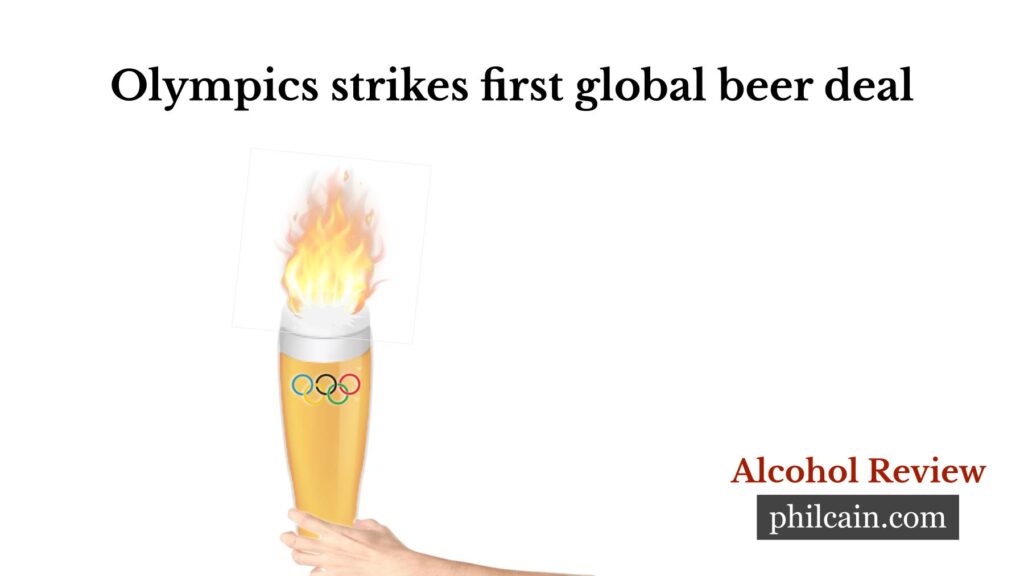
Olympic beer deal: The Olympics’ first ever global beer promotion deal drew sharp criticism from a range of UK health advocates, including the Association of Directors of Public Health. The deal to promote beer brands at the next two Olympics covers all brands in AB InBev’s portfolio, Alcohol Review was told. The Olympics organiser said the beer branding will not be seen in the field of play and will initially revolve around the Corona Cero alcohol-free brand, a modified version of the 4.5% brand. At the LA games in 2028 the emphasis will switch to the 3.5% Michelob Ultra brand, marketed as low calorie.

Local levies: Local levies on alcohol and other unhealthy products could raise funds and reduce inequality, said the left-leaning UK think tank IPPR in a new report. Such levies would top up £3bn funding from a Health Creation Fund, with poorer areas where unhealthy outlets cluster able to raise more money. Scottish Labour said earlier in the month that it is backing an alcohol levy.

Papal whine: Pope Francis was reported to have reminded Italian wine producers of their moral and ethical responsibilities, while reassuring them their product is a “gift from God”. His reminder may relate to the Italian industry being at the vanguard of resistance to nutrition and ingredients labels.

Glass ceiling: A study removing the largest glass of wine from sale in pubs cut the total amount of alcohol consumed by 7.6%, while income remained the same. One commentator suggested huge glasses are naff anyway, while another felt the discussion was a sure sign a full ban on alcohol is nigh.

US deaths state-by-state: Alcohol Review published a table of rises in US alcohol-induced deaths by state, using provisional CDC figures. They range from Mississippi with an 85% rise and New Jersey with 11%. PBS this month talked to the author of a new four-part series in the Denver Post on how alcohol has not been treated with the same urgency as opioids. Colorado, the CDC data says, is in the middle with a 32% in deaths.

Conflicted again: The US organisation assembling a committee to assess evidence for an update to alcohol guidelines has picked a Harvard professor with financial ties to the alcohol industry, having recently backtracked on the appointment of two people with such ties.

AI ageing: The UK government is considering the use of age assurance technologies, including age estimation to decide  if an individual is old enough to purchase age restricted products like alcohol.

*Subscribe *Books *Whatsapp *Twitter, LinkedIn *ARchive

Alcohol Review – issue 99, January 29th 2024

January 10, 2024

Find this service useful?
Please join the Alcohol Review‘s supporters who make it possible

*Subscribe *Books *Whatsapp *Twitter, LinkedIn *ARchive

In this issue: Olympics strikes first global beer deal; Local alcohol levies mooted; Pope issues wine reminder; Smaller glasses cut drinking; US alcohol deaths state-by-state; and more

Olympic beer deal: The Olympics’ first ever global beer promotion deal drew sharp criticism from a range of UK health advocates, including the Association of Directors of Public Health. The deal to promote beer brands at the next two Olympics covers all brands in AB InBev’s portfolio, Alcohol Review was told. The Olympics organiser said the beer branding will not be seen in the field of play and will initially revolve around the Corona Cero alcohol-free brand, a modified version of the 4.5% brand. At the LA games in 2028 the emphasis will switch to the 3.5% Michelob Ultra brand, marketed as low calorie.

Local levies: Local levies on alcohol and other unhealthy products could raise funds and reduce inequality, said the left-leaning UK think tank IPPR in a new report. Such levies would top up £3bn funding from a Health Creation Fund, with poorer areas where unhealthy outlets cluster able to raise more money. Scottish Labour said earlier in the month that it is backing an alcohol levy.

Papal whine: Pope Francis was reported to have reminded Italian wine producers of their moral and ethical responsibilities, while reassuring them their product is a “gift from God”. His reminder may relate to the Italian industry being at the vanguard of resistance to nutrition and ingredients labels.

Glass ceiling: A study removing the largest glass of wine from sale in pubs cut the total amount of alcohol consumed by 7.6%, while income remained the same. One commentator suggested huge glasses are naff anyway, while another felt the discussion was a sure sign a full ban on alcohol is nigh.

US deaths state-by-state: Alcohol Review published a table of rises in US alcohol-induced deaths by state, using provisional CDC figures. They range from Mississippi with an 85% rise and New Jersey with 11%. PBS this month talked to the author of a new four-part series in the Denver Post on how alcohol has not been treated with the same urgency as opioids. Colorado, the CDC data says, is in the middle with a 32% in deaths.

Conflicted again: The US organisation assembling a committee to assess evidence for an update to alcohol guidelines has picked a Harvard professor with financial ties to the alcohol industry, having recently backtracked on the appointment of two people with such ties.

AI ageing: The UK government is considering the use of age assurance technologies, including age estimation to decide  if an individual is old enough to purchase age restricted products like alcohol.

*Subscribe *Books *Whatsapp *Twitter, LinkedIn *ARchive

Brand new

January 10, 2024

Explore a new, entirely unconnected brand. The Alcohol Review 0.0 brand has been carefully hand-crafted and scientifically filtered so that it can get the approval even of people who do not particularly like the regular Alcohol Review. ■

  • « Go to Previous Page
  • Page 1
  • Interim pages omitted …
  • Page 17
  • Page 18
  • Page 19
  • Page 20
  • Page 21
  • Interim pages omitted …
  • Page 57
  • Go to Next Page »

Primary Sidebar

  • Bluesky
  • Instagram
  • LinkedIn
  • Twitter
  • WhatsApp

Copyright © 2026 · Phil Cain Impressum

Manage Consent
To provide the best experiences, we use technologies like cookies to store and/or access device information. Consenting to these technologies will allow us to process data such as browsing behaviour or unique IDs on this site. Not consenting or withdrawing consent, may adversely affect certain features and functions.
Functional Always active
The technical storage or access is strictly necessary for the legitimate purpose of enabling the use of a specific service explicitly requested by the subscriber or user, or for the sole purpose of carrying out the transmission of a communication over an electronic communications network.
Preferences
The technical storage or access is necessary for the legitimate purpose of storing preferences that are not requested by the subscriber or user.
Statistics
The technical storage or access that is used exclusively for statistical purposes. The technical storage or access that is used exclusively for anonymous statistical purposes. Without a subpoena, voluntary compliance on the part of your Internet Service Provider, or additional records from a third party, information stored or retrieved for this purpose alone cannot usually be used to identify you.
Marketing
The technical storage or access is required to create user profiles to send advertising, or to track the user on a website or across several websites for similar marketing purposes.
  • Manage options
  • Manage services
  • Manage {vendor_count} vendors
  • Read more about these purposes
View preferences
  • {title}
  • {title}
  • {title}
Loading Comments...