• Skip to main content

Alcohol Review

Alcohol understanding for all

  • Highlights
  • AR2026
    • AR2025
    • Earlier events
  • Register
  • About
    • Organisers
    • Contact
  • Log In

philcain

#Lifehack health advice | philcain.com

January 10, 2024

It is surprisingly easy to miss public health information on bottles and cans, like: “The UK Chief Medical Officers recommend adults do not regularly drink more than 14 units per week.” ■
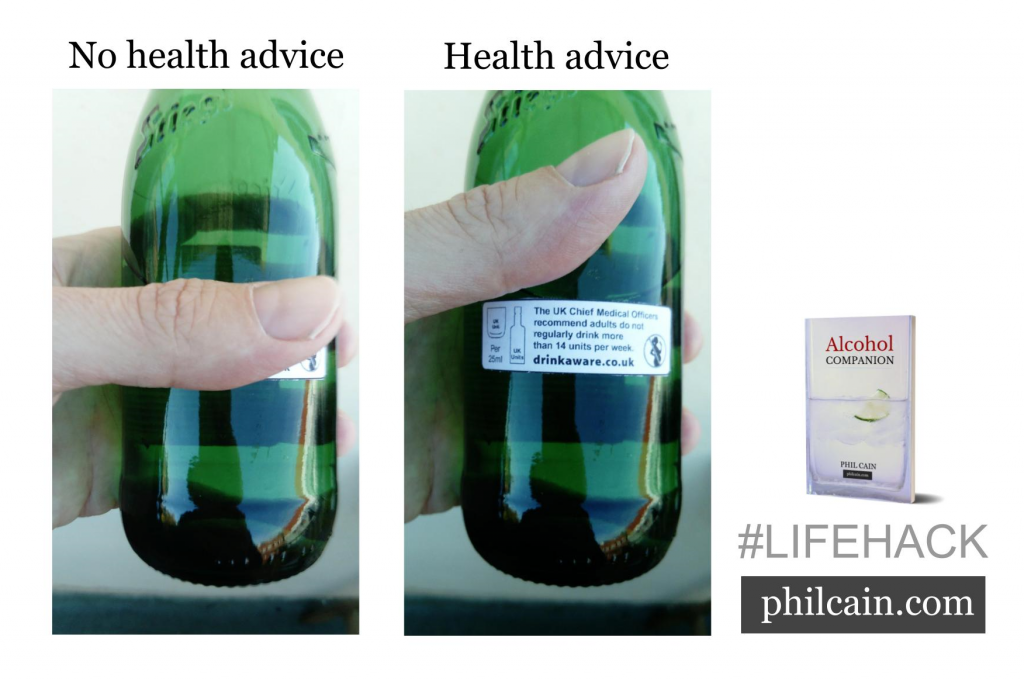

Note: Read here why the label used in the demonstration is currently set to be a rare sight in the UK. ■
[book] Preventing Alcohol-Related Problems: Evidence and Community-based Initiatives | APHA Press

January 10, 2024

“… The book combines the latest research on community-level alcohol problems with success stories from community practitioners. …”

ISBN: 978-0-87553-291-2

Author: Edited by: Norman Giesbrecht and Linda M. Bosma
Publisher: APHA Press
Format: Soft Cover
Pages: 623
Publishing Date: 11/17

Source: secure.apha.org/imis/ItemDetail?iProductCode=978-087553-2912

The key alcohol theme of 2018: dementia

January 10, 2024

Dear Reader

This year offered a steady stream of confirmation of the merits of low-risk alcohol drinking, reckoned to be less than 14 UK units (140ml) a week.

There was also welcome reassurance that not drinking alcohol at all, which many find the easiest form of low-risk drinking, comes with no added risk.

But the biggest news was confirmation of a massive underestimate of alcohol as a factor in dementia. This too was followed by confirmation that low-risk drinking should spare us from it.

It is a discomforting finding, no doubt. But it also offers hope that changes to our drinking habits can spare millions from mental health problems, as I wrote here.

Thank you for your support over the last year. I wish you a happy New Year’s Eve and a great start to 2019.

Yours faithfully
Phil

Sobriety sizzles

January 10, 2024

Any takers?

There are signs sobriety is creating the “sizzle” it needs to achieve the popularity it deserves.

Low-risk drinking is, on the face of it, the stuff of marketing executives’ dreams, a robust product with undisputed benefits, available to all at negative cost.

Yes, negative cost. It is not some something-for-nothing deal. This is a something-for-money-back deal. It is both beneficial and profitable for its adopters.

While easing the load on our wallets, it improves our sleep, relieves depression and anxiety, promotes clearer thinking, boosts resilience, reduces mistakes and accidents, and avoids disease.

Drinking rates, nevertheless, barely budge from year to year. Imagine it: health payoffs and dollar bills lying around across the globe and yet few of us trouble to pick them up.

Is this a rational choice? Is heavy drinking really worth the price we pay? It seems doubtful. So, then, what is going wrong?

Knowledge and desire
It is partly misunderstanding. The scientific findings around alcohol are counterintuitive and constantly undermined, as I found while writing my book Alcohol Companion.

A stats-fest tickles our cortices but does not push the buttons which guide our humdrum choices.

Everyday decisions are rarely made through agonising rational computation. Think of a trip to a supermarket. We lob things in our trolleys mostly to answer emotional and sensory appeals.

We need to connect with choices on a non-intellectual level for them to be easy and enjoyable. This applies to rational choices as much as self-defeating ones.

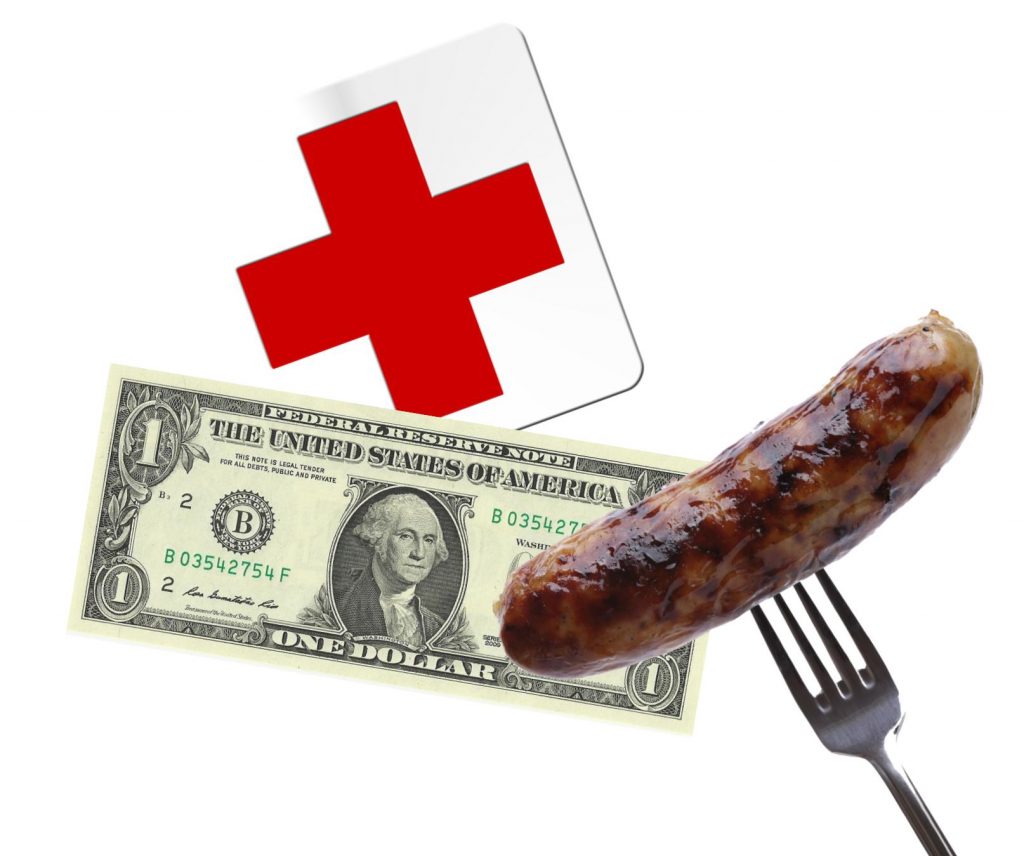
Marketing people know this. Winning our decisions is about “selling the sizzle, not the sausage”.

It is not just meat though. We prefer crisped rice with added Snap, Crackle and Pop too. An iPhone is no better, yet is still more desirable.

Better health labelling, though important to have, will not be enough to provide the sizzle that makes low-risk alcohol choices desirable in the way which shifts our behaviour.

Low-risk drinking needs sizzle to turn its stock of wholesome statistical sausagemeat into a tempting consumer choice.

Turning up the gas
It is starting to happen. The online world is fulfilling our need for superficial socialising, an area where alcohol once reigned supreme. Psychology, meanwhile, is giving more insight into happiness.

These developments are being met by the arrival of a new generation of alcohol-free alternatives allowing us low-hassle alcohol opt-outs, with a positive placebo-effect thrown in.

The contribution of public health professionals, counsellors, treatment providers, campaigners and help groups, meanwhile, are being supplemented by fresh new communities like Club Soda and Soberistas.

The payoff is potentially huge. Globally alcohol is among the top four reasons for us to lose healthy years of life and a major contributor to crime rates and countless lesser cock-ups.

Reducing the impact by any significant amount would deliver benefits across society, particularly for poorer people. It would also free resources to tackle other problems.

Putting reasonable choices in attractive packages is as essential as the science they are composed of. Sobriety is becoming increasingly tempting and this is worth celebrating. ■

[summary] Alcohol chapter of the Scottish Health Survey (2016) | National Statistics

January 10, 2024

  • The proportion of adults in Scotland drinking above the recommended maximum of 14 units per week fell from 34% in 2003 to 25% in 2013 and has stayed at a similar level since (25% in 2014 and 26% in 2015 and 2016).
  • Male drinkers were twice as likely to drink above the recommended maximum of 14 units a week than female drinkers.
  • The percentage of adults reporting that they do not drink alcohol increased significantly from 11% in 2003 to 16% in 2013, and has settled at that level since.
  • More adults reported not drinking alcohol in the most deprived areas (26%) than the least deprived areas (11%) (age-standardised).
  •  Those in the least deprived areas drank on more days on average (2.9 days) than those in the most deprived areas (2.3 days).
  •  Male drinkers consumed significantly more alcohol on their heaviest drinking day than female drinkers in 2015/2016 combined (8.4 units compared with 5.9 units respectively).
  • The average number of units of alcohol consumed by adults on their heaviest drinking day fell from 7.7 units in 2003 to 6.9 units in 2013, and has remained at a broadly similar level since then (7.3 units in 2016).
  • Drinkers aged 75 and over consumed less alcohol at one time, but drank with greater frequency, on average, than younger drinkers who tended to consume greater volumes of alcohol in fewer drinking sessions.
  • The proportion of adults who drank on more than 5 days in the last week has risen after a period of decline.

Source: http://www.gov.scot/Resource/0052/00525472.pdf

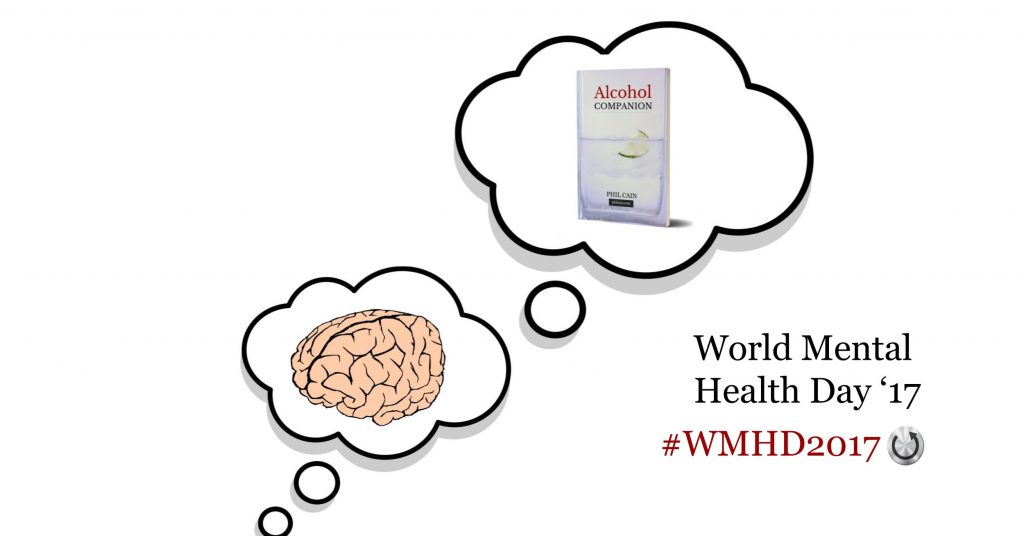
Celebrating World Mental Health Day 2017 #WMHD2017

January 10, 2024

  • « Go to Previous Page
  • Page 1
  • Interim pages omitted …
  • Page 32
  • Page 33
  • Page 34
  • Page 35
  • Page 36
  • Interim pages omitted …
  • Page 50
  • Go to Next Page »

Copyright © 2026 · Phil Cain Impressum