
• Skip to main content

Alcohol Review

Alcohol understanding for all

  • Highlights
  • AR2026
    • AR2025
    • Earlier events
  • Register
  • About
    • Organisers
    • Contact
  • Log In

philcain

Cognition decline again linked to drinking alcohol above low level

January 10, 2024

Drinking more than a small amount of alcohol can cause cognitive decline in middle and old age a new study has confirmed.

The decline increases with the amount of alcohol we drink above a low threshold and rises with age. The UK guidelines suggest no more than 14 units (140ml) of alcohol a week.

The new study, however, caused a stir because it found the negative effects begin above 9 units a week, five units below the current guidelines.
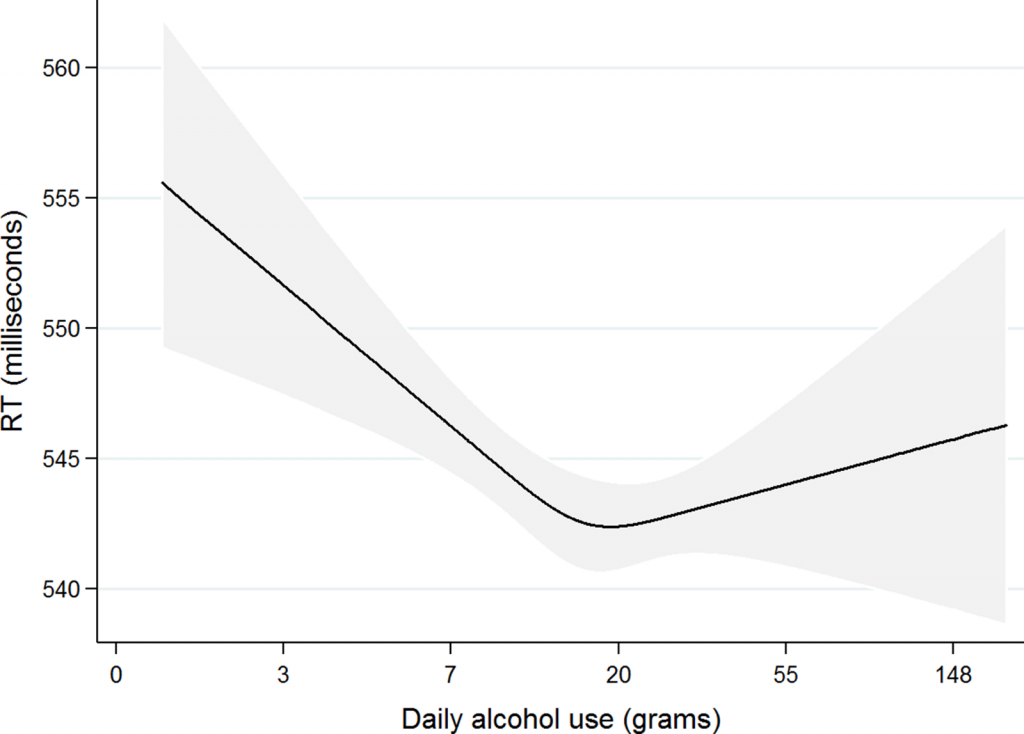
Professor David Spiegelhalter, a statistician and communicator at Cambridge University says a graph in the study simply confirms 14 units a week, or 16g a day, is where decline is least (see chart). 

“It’s not as straightforward as looking at the graph,” says Professor Simon Moore, one of the study’s authors, who says its lower threshold comes from the calculation involved in fitting the curve to the data.

The debate was fueled by Sun newspaper coverage of the study which came under a headline saying a pint a day might increase our risk of dementia. It seems to be correct:

A daily pint of 5% lager comes to a total of 16 units of alcohol a week, above both the official low-risk limit as well as the lower one suggested by the new study. ■
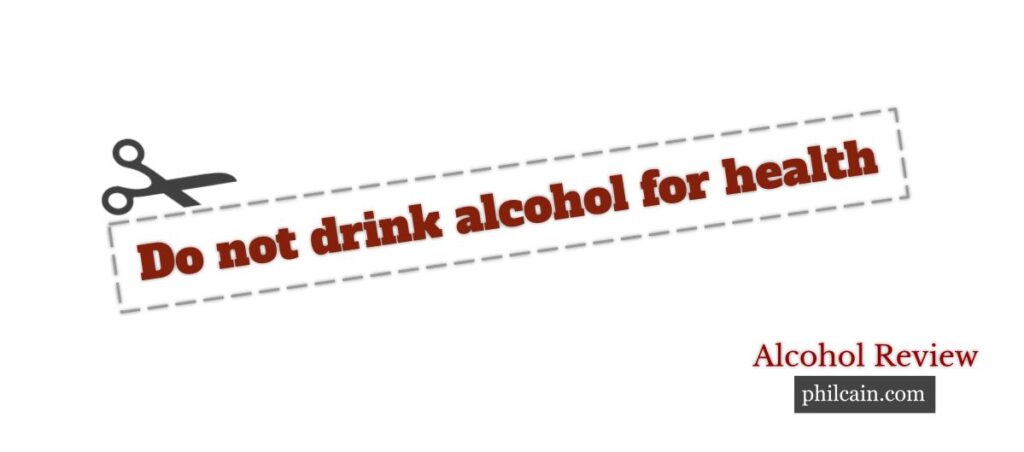
DIY alcohol label

January 10, 2024

This is one of a collection of shareable alcohol messages. If you think more people should know, please share and join the supporters.

We should not drink alcohol to ward off any condition. Its many hazards, including cancer, outweigh any benefits. Alternatives like regular moderate exercise, a balanced diet, stress reduction and health care improve health without bringing any added risk. Please join Alcohol Review‘s supporters. ■

My Round: Two new non-alcoholic drinks revealed including first Irish dry-hopped craft soda

January 10, 2024

My Round: Two new non-alcoholic drinks revealed including first Irish dry-hopped craft soda

“Two weeks ago I wrote about Dry January and complained about the lack of Irish-made non-alcoholic (NA) beverages. Now just like a Dublin bus, two have come along at once.”—Aran Brazil

Source: www.thesun.ie/fabulous/2067031/my-round-aran-brazil-irish-made-non-alcoholic-beverages/

Alcohol labellers face legal “domino effect”

January 10, 2024

Jurisdictions trying to introduce health warning labels on alcoholic drinks face a daunting battery of legal challenges intended to discourage them and others, say experts.
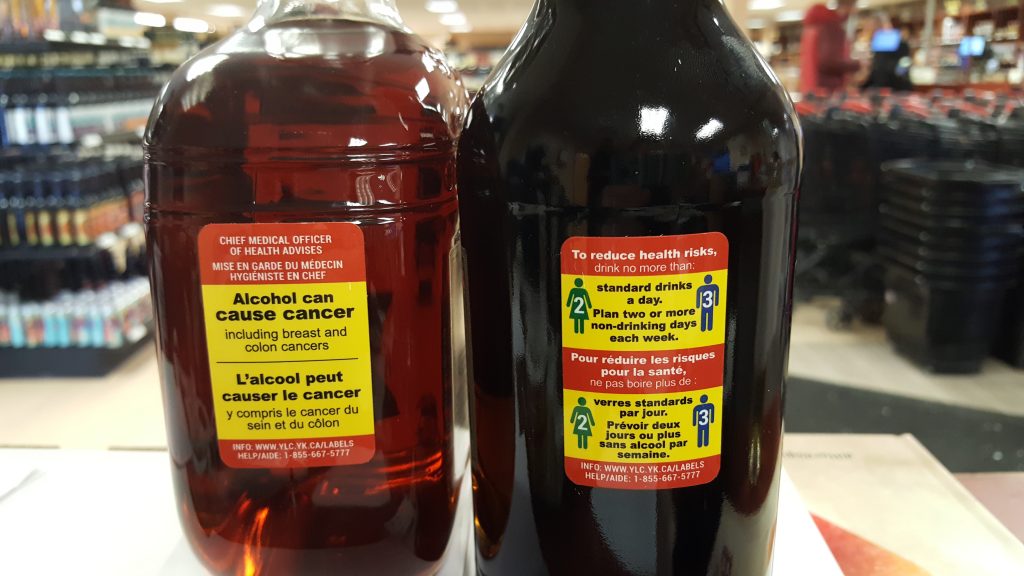
Hardly any country or province currently provides labels warning people that drinking alcohol increases the risk of a range of mental, physical and social problems, including cancer, heart disease, birth defects, anxiety and depression.

Jurisdictions which try to change this face the threat of being hit by “legal big guns”, according to analysis published last week.* The most recent case was in the sparsely-populated Yukon territory in Canada which halted a trial in December after receiving worrisome legal warnings.

“The raising of legal doubts, threats of litigation and the actual commencement of litigation have the potential to sway all but the most resolute and well-resourced governments from prioritising public health over industry interests,” the paper says.

The law allows the alcohol industry to make legal challenges at the national, supranational or international courts, as well as tribunals. Australia’s defence of plain tobacco packaging, the paper says, drawing a comparison, has been costly and time-consuming, although it seems set to be successful.

Thailand was the first to hear the drumbeat of possible litigation from the alcohol industry after proposing graphic warning labels in 2010. It planned to introduce labels warning that drinking alcohol causes liver cirrhosis and can undermine sexual performance.

But Thailand’s labels never appeared after they were discussed in the World Trade Organisation’s Technical Barriers to Trade Committee, a diplomatic forum. Concerns raised by the EU, US, Australia and New Zealand may have been taken as the signs of impending legal action.

Jurisdictions can have some confidence courts will take their side when their labels are designed to reflect “good scientific evidence”, the paper explains, but opponents can play on nagging doubts by introducing the prospect of long and expensive litigation.

The alcohol industry may, the paper argues, be looking for a “domino effect” in which governments lose their resolve to introduce alcohol labels. Dr Margaret Chan, a former director-general of the World Health Organisation, described the tobacco industry using this strategy in 2015.

The alcohol industry will be “extremely pleased” to halt the Yukon trial (pictured), says Professor Robin Room of Melbourne University, one of the authors of the paper. It also saw the disappearance of a label in place for 27 years warning that drinking while pregnant can cause birth defects.

“We are still a little hopeful that our study may resume in some capacity,” Erin Hobin, a researcher on the trial, told Alcohol Companion. Supporters of plans for health labels in Australia and Ireland, meanwhile, say they are undaunted by Yukon’s legal difficulties.

Continuing to use trade and investment treaties to launch legal action, the paper says, would be “substantially against the public interest and public health”. With overwhelming public support for health labels, the dominos could yet fall the other way. ■

*Paula O’Brien, Deborah Gleeson, Robin Room, Claire Wilkinson; Commentary on ‘Communicating Messages About Drinking’: Using the ‘Big Legal Guns’ to Block Alcohol Health Warning Labels, Alcohol and Alcoholism, https://doi.org/10.1093/alcalc/agx124

Alcohol is not a human “brain cleaner”

January 10, 2024

Recent headlines saying alcohol drinking “cleans brains” should not persuade humans to drink more.

“It is by no means a green light for people to drink more alcohol,” says Dr Claire Walton, research manager at the UK’s Alzheimer’s Society, about a study on mice which has triggered coverage hinting otherwise.

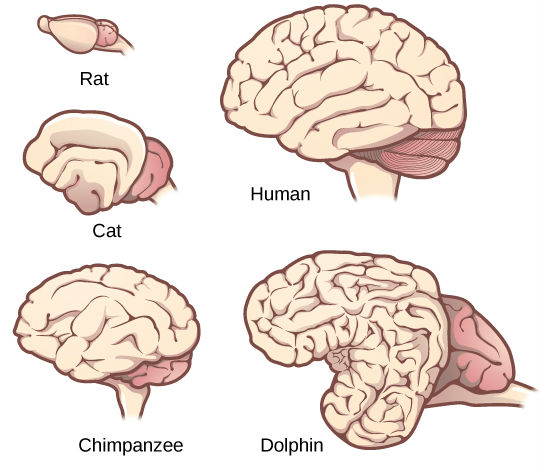
Mammal brains

It is a “big leap” to take a research finding for mice and apply it to people, she said. “There are just too many differences between mice and people to do this.” Drinking more than 14 UK units (140ml) of alcohol a week, meanwhile, definitely increases human alcohol-related dementia risk.

The study investigated the mouse’s brain waste-disposal system which might play a role in the development of Alzheimer’s disease. “This is a relatively new area of research, where there is a lot still to be learned.”

Alcohol had a long history of use as a medicine, but it has since been found to be counterproductive in all cases and fraught with other risks. It is no longer put to any medical use other than as a sterilising fluid because of its ability to kill cells.

Dubious ideas that alcohol drinking can have health benefits can help support our decisions to drink, in what is known by health professionals as alcohol’s false “health halo”. ■

Launch your journey …

January 10, 2024

  • « Go to Previous Page
  • Page 1
  • Interim pages omitted …
  • Page 41
  • Page 42
  • Page 43
  • Page 44
  • Page 45
  • Interim pages omitted …
  • Page 50
  • Go to Next Page »

Copyright © 2026 · Phil Cain Impressum