5-stars: “If you’re a user, you might want to know what you’re dealing with: A wealth of information about alcohol. Well researched, it deals with a very wide spectrum of aspects to do with alcohol and it’s addiction. Until I read the book I didn’t realise how complexly alcohol interferes with our lives. I love Phil Cain’s unique style and way to put things in perspective.” (Amazon.de)
5-stars: “Phil Cain hits the right tone, not preachy or judgemental but not shying away from or sugar coating the facts either. I would recommend this to anyone who enjoys a drink, or knows people that do, which I suspect is just about all of us.”
5-stars: “The book gives a great overview about alcohol …. But it never falls into the trap of trying to convince the reader, just encouraging to think about alcohol consumption and its consequences. The charming and effective writing style makes the reading more than interesting … A must read!” (Amazon.de)
5-stars: “Great book, easy to read, full of ‘fun’ facts about alcohol. The author does a great job of presenting a murky side of alcohol without being too negative. I’d recommend this book to any drinker – from the glass of wine here and there person, to the 4 day weekend every weekend party goer. It’s a great read, entertaining and eye-opening!”
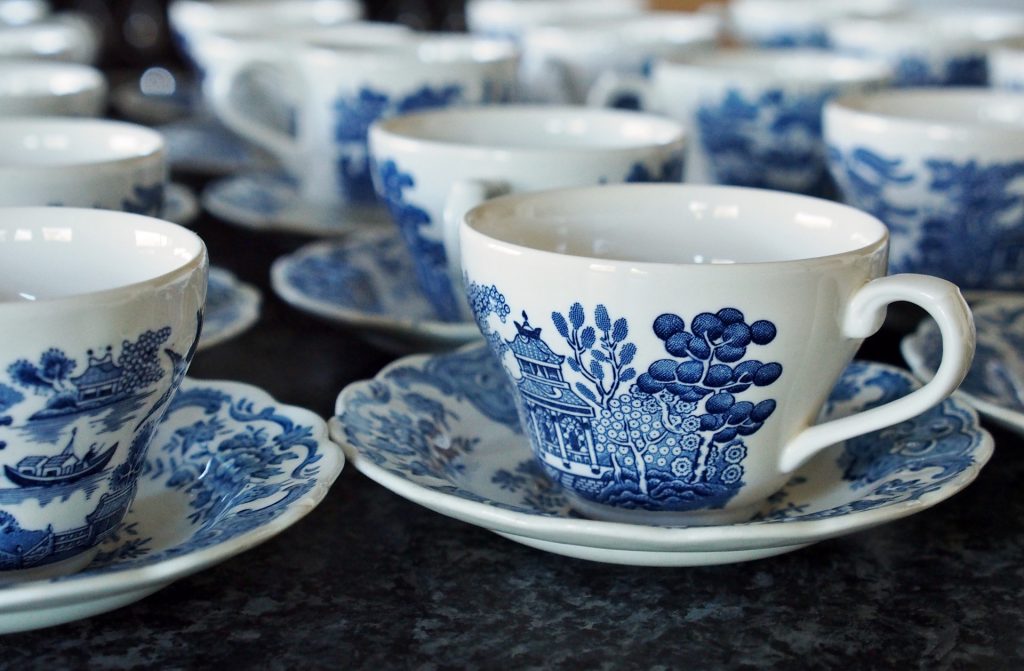 Relaxed teatime get-togethers are enhancing the accuracy and impact addiction research by deepening collaboration between researchers and people with first-hand experience of the subjects they study.
 A modest £2,000 ($2,600) a year grant from the NIHR Biomedical Research Centre for Mental Health at King’s College largely underwrite the cost of essentials to its work, like tea and cake. The convivial meetings are supported by swift and friendly email communication between the group members.
 Deepening collaboration between addiction researchers and the custodians of the phenomena they study can improve research results. Among the examples of the success is the