WHO launches bid to quantify youth alcohol harm

The WHO’s EU-backed programme to reduce alcohol harm today launched an effort to quantify the burden alcohol places on young people to inform better alcohol policy.

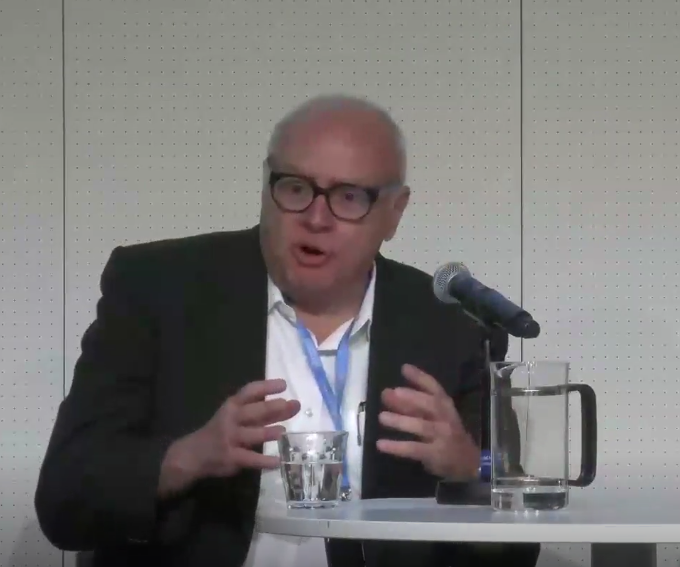
“One-in-three injury deaths is attributable to alcohol and it is the leading cause of disability and premature death among young people in Europe,” said the WHO’s Catherine Paradis (pictured).

Attendees to the EUSEM 2025 emergency medicine conference in Vienna confirmed alcohol is a factor in many cases they see, with some saying it plays a part in well over half. 

The WHO’s Evidence into Action Alcohol Project (EVID-ACTION) now hopes to create a more robust evidence base about alcohol-related emergency cases among young people to help inform policy.

Canada changed its alcohol laws thanks to an effort to gather emergency department data following the death of a 14-year-old after drinking super-sized cans of alcopops in 2018.

EVID-ACTION invited up to five emergency departments to collect data from cases involving 12- to 24-year-olds next summer, potentially paving the way for larger scale data collection.

The initiative arose from the European Health Alliance on Alcohol, a recently-formed group of over 20 medical organisations which last month condemned EU labelling proposals. ■

Medics sound alarm on EU alcohol proposals

Two recent EU labelling proposals risk decades of progress in reducing alcohol-related harm, warned the European Health Alliance on Alcohol, formed in May to give a voice to 1.7m health professionals.

In June the Council of the European Union proposed allowing the term “low-alcohol” to be used for wines of up to 6% alcohol and allowing digital-only labelling for displaying health information and ingredients. 

Together the proposals “represent a dangerous precedent that blurs the line between public health and commercial interests. They risk undermining clinical guidance, weakening consumer protections, and increasing public confusion,” the alliance said. The Belgian government said it opposed the “low-alcohol” label last week.

Allowing “low-alcohol” labels would mislead consumers and create a false sense of safety, undermining cancer prevention efforts, the EHAA said. And allowing QR code digital labels would mean health information would reach precious few people.

The alliance said the solution is to label products which are 6% alcohol or below as “reduced alcohol” and to insist that on-package health and ingredients labelling should be mandatory. Fewer than one-in-a-thousand people scanned QR codes in pilots.

“There are few areas in public health where the evidence is as clear as it is with alcohol: the harms are well documented, the burden is enormous, the financial cost is unsustainable, and solutions exist. Prevention is not only possible—it is essential,” said Monica Tiberi of the European Society of Cardiology. ■

Banned ad distribution “helpful” says ad regulator

The UK’s advertising self-regulator is in favour of the distribution of alcohol ads it banned, Alcohol Review was told, after millions were exposed to a banned ad this week. 

“We think an ad being used in media reports for illustrative purposes is helpful and in the public interest in providing context for the reader or viewer to find out more about our decision,” the ASA said.

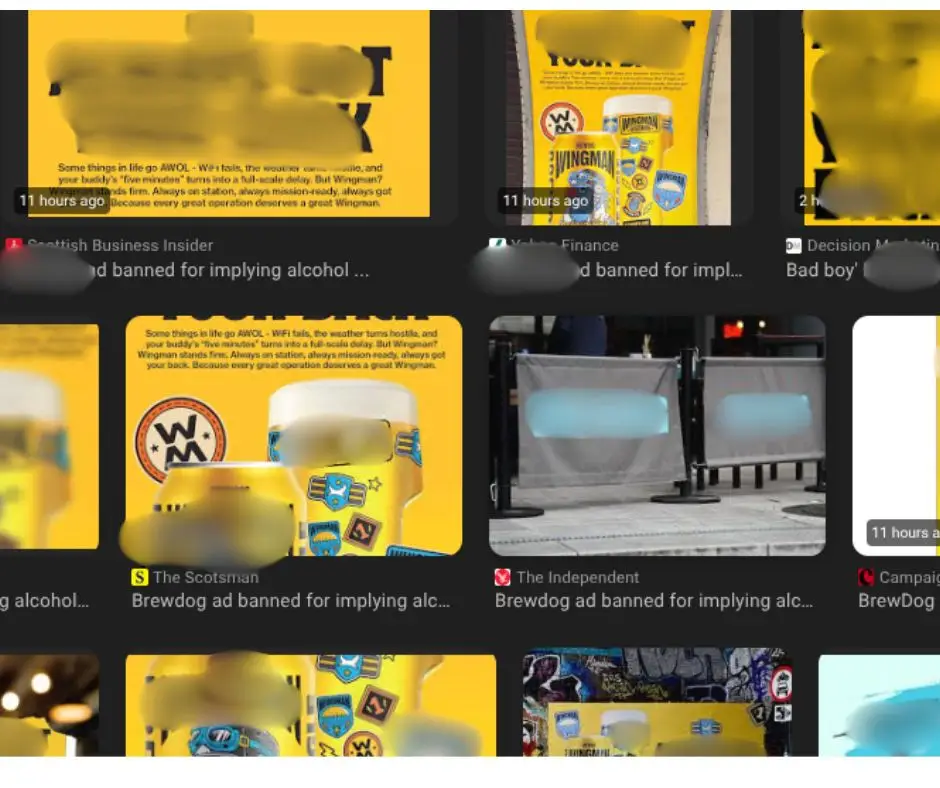
A story on a banned ad from Brewdog first appeared on the PA newswire and was picked up by the BBC, Daily Mail, Scottish TV, various regional newspapers, as well as the marketing, advertising and food trade press. Together their potential reach was in the millions.

“It is not our role to advise media on how they report on our decisions,” the ASA said when asked if its decisions should be reported in a way which does not provide free exposure to an ad it had ruled against. It says viewers and readers “sought out” such ad exposure.

The ASA said that being reported to have broken the advertising rules deters companies from doing it again. Brewdog has yet to get the message. It had six ASA rulings go against it in the last five years. Rival giants like AB Inbev, Carlberg, Diageo and Heineken had one or none at all.

Critics say reporting on banned ads is a big win for Brewdog, with the brand partly defined by its penchant for rule-breaking and ad illustrations used in the reporting provide it with advertising impacts indistinguishable from those of a paid ad.

Meanwhile editors and algorithms choose which stories an audience sees, not the audience members themselves. ■

UPDATED: Ireland delays alcohol health labels

The Irish government delayed alcohol health labelling from May next year unit until 2028 at a cabinet meeting on Monday, disappointing health advocates.

Some in the government have been convinced the labels may undermine ongoing EU-US trade negotiations if they were seen as a barrier to trade. Health advocates dispute this assessment. Health ministerJennifer Carroll MacNeill said she was “not pleased”.

The Irish Medical Organisation went further calling the delay a “serious threat to public health” with “health being ignored in favour of corporate interests”. “The longer this Government delays, the more irreversible damage is done,” said the organisation’s president Dr Anne Dee.

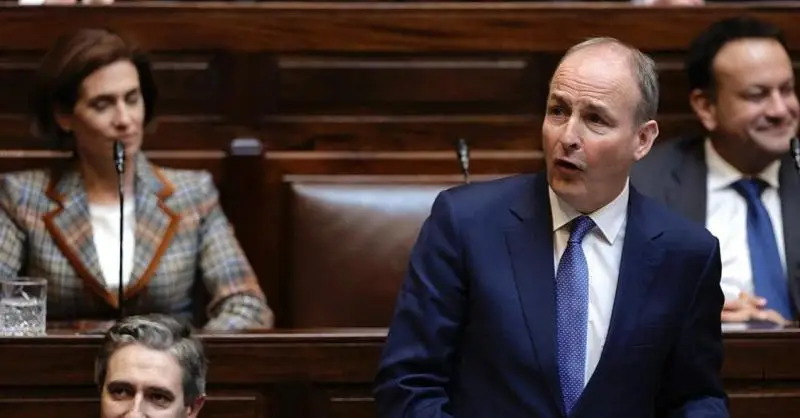
Taoiseach Micheál Martin 2024, source

“To say that this delay is a blow for public health in Ireland is an understatement. It is a failure of leadership and of democracy,” said Sheila Gilheany CEO of the NGO Alcohol Action Ireland. And many alcohol products in Ireland already carry the labels, making any delay “farcical if not so serious”.

“Re-examining the policy at this stage, under pressure from commercial interests, would not only weaken Ireland’s credibility but risk setting a damaging precedent across Europe,” said the newly-formed European Health Alliance on Alcohol in a letter to the Irish government last week.

The weeks leading up to the decision were filled with selective leaks about a likely delay until 2029. Coverage of the decision–which still has not been fomally announced–looks likely to be out-done that of a larger spending announcement and the summer recess.

AR This may offer a salutory tale for the UK where the government earlier this month initiated a bid to introduce alcohol health labels. At the same time it bowed to industry pressure to drop all the most effective alcohol health policies from its plans. The road ahead is not easy. ■