• Skip to main content
  • Skip to primary sidebar

Alcohol Review

Alcohol understanding for all

  • Highlights
    • Messages
    • Newsletters
    • AR Live
  • Events
    • AR2026
    • AR2025
    • Next year’s event
    • Earlier events
  • Join
  • About
    • Organisers
    • Contact
  • Log In

story

Sizing up the AI wave

December 15, 2025

The global effort to curb alcohol harm will see a wave of change from the rollout of artificial intelligence (AI), but how big will it be? Will it be a ripple, crashing breaker, tidal surge or shattering tsunami? Alcohol Review’s annual conference in March will try to find out, while showcasing many other key developments in the field. To read on, please, register for the event and newsletter, or the free event preview and log in.

Note: For more on joining these online sessions on AI and the wide-ranging participant presentations, please visit the conference homepage and check out the new preview. ■
AR2026: Alcohol harm and artificial intelligence
+ all the latest research, advocacy and innovation.
Thursday, March 26th 2026, everywhere. Registrations open
England alcohol deaths remain severely elevated

December 4, 2025

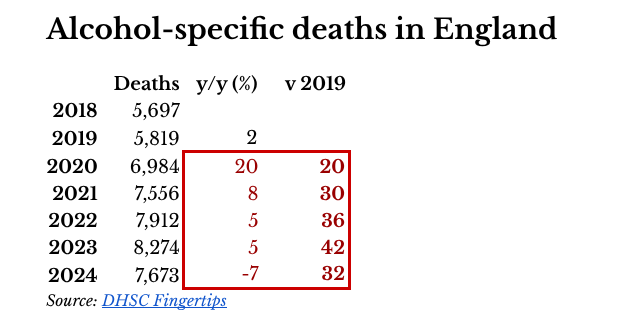
Alcohol deaths in England were 32% above pre-pandemic levels in 2024, despite a 7% fall from the post-pandemic peak the year before, according to new new figures. A total of 38,399 people in England died of causes directly linked to alcohol drinking in the five years to 2024, over 9,304 more than if alcohol-specific deaths had remained at 2019 levels.■

UK budget halts alcohol tax backsliding

November 28, 2025

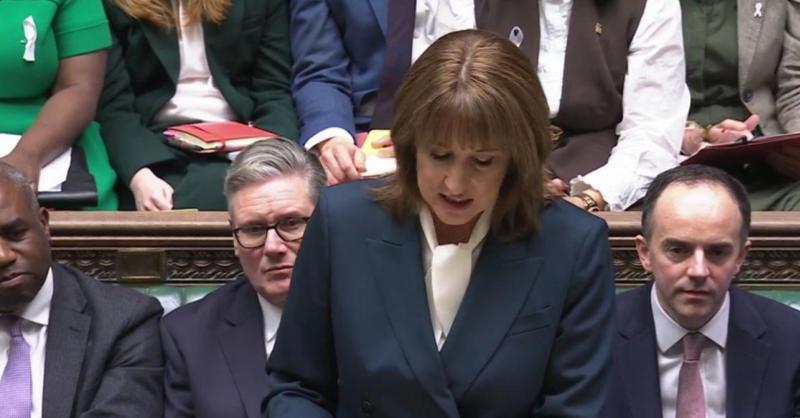
UPDATED: The UK Chancellor Rachel Reeves this week gave respite from years of real terms alcohol tax cuts in her Budget statement, but made little headway on delivering on a manifesto promise to prioritise the prevention of health problems.

“I will support the great British pub through our new national licensing framework, encouraging councils to back our pubs and back late night venues with greater freedoms,” Reeves said in her yearly financial statement on Wednesday.

Reeves was referring to a much-criticised plan to change local alcohol licensing law to allow councils to put economic growth over health criteria. The government seems to be rewriting its proposals following an outcry from public health.

Councils are still being asked to “view licensing as part of their economic development or regeneration functions” , but other controversial aspects of the proposals have been “watered down or dropped”, posted James Nicholls, a critic of the proposals.

Reeves also said alcohol tax would remain the same in real terms next year. Health advocates recommend that the tax would need to rise in real terms to reduce record levels of harm.

But health advocates see this year’s tax freeze as relatively good news after years of real-terms tax cuts. “It is a clear signal that ministers aren’t bowing to a barrage of misinformation and aggressive lobbying,” said Katherine Severi of the Institute Of Alcohol Studies.

The Alcohol Health Alliance UK also welcomed the freeze, but it also repeated its call for a sustained increase of 2% above inflation and to develop an alcohol strategy.

It is a “welcome step forward”, said Alcohol Change UK, but added that it “expected bolder action” while also raising concerns about licensing reform, especially on alcohol delivery. ■

Australia, harm reduction and artificial intelligence

November 10, 2025

Less drinking among younger Australians has not outweighed harm within older cohorts, explains Professor Nicole Lee of the NGO Hello Sunday Morning and 360 Edge consutancy, who goes on to outline some of the applications and limits of artificial intelligence.

Assessing Trump’s impact on alcohol harm

October 15, 2025

The Trump administration has taken a chainsaw to efforts to reduce alcohol harm. Here Mike Marshall, CEO of the US Alcohol Policy Alliance, helps make sense of the bewildering news flow.

Alcohol policies are a “smart investment”, says WHO

October 14, 2025

“Strong alcohol policies are among the smartest investments you can make,” said WHO Regional Office for Europe and the WHO’s International Agency for Research on Cancer today at a two-day event launching two Handbooks on Alcohol Policy and Cancer Prevention.

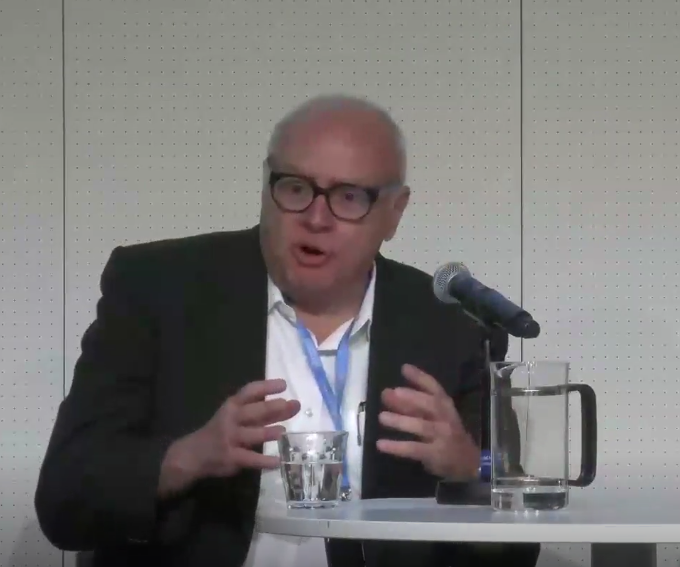
“You can prevent more cancers with a taxation increase than you can with advice from doctors. If you want to prevent cancers you have to think about population policies in the long run,” said Jurgen Rehm, from Canada’s Centre for Addiction and Mental Health (pictured).

“The WHO European Region, and especially countries of the EU, are paying too high a price for alcohol in preventable cancers and broken families, as well as costing billions to taxpayers,” said Dr Gundo Weiler Director for Prevention and Health Promotion at WHO/Europe.

The pair recommend governments: increase taxes and minimum prices; raise minimum alcohol purchase age or drinking ages; reduce alcohol outlet density or opening hours; implement bans on alcohol marketing; create government monopolies to control alcohol sales.

The IARC Handbook Volume 20A evaluates the impact of reducing or quitting consumption on cancer risk while Volume 20B focuses on alcohol policies to reduce consumption. ■

  • « Go to Previous Page
  • Page 1
  • Interim pages omitted …
  • Page 4
  • Page 5
  • Page 6
  • Page 7
  • Page 8
  • Interim pages omitted …
  • Page 42
  • Go to Next Page »

Primary Sidebar

  • Bluesky
  • Instagram
  • LinkedIn
  • Twitter
  • WhatsApp

Copyright © 2026 · Phil Cain Impressum

Manage Consent
To provide the best experiences, we use technologies like cookies to store and/or access device information. Consenting to these technologies will allow us to process data such as browsing behaviour or unique IDs on this site. Not consenting or withdrawing consent, may adversely affect certain features and functions.
Functional Always active
The technical storage or access is strictly necessary for the legitimate purpose of enabling the use of a specific service explicitly requested by the subscriber or user, or for the sole purpose of carrying out the transmission of a communication over an electronic communications network.
Preferences
The technical storage or access is necessary for the legitimate purpose of storing preferences that are not requested by the subscriber or user.
Statistics
The technical storage or access that is used exclusively for statistical purposes. The technical storage or access that is used exclusively for anonymous statistical purposes. Without a subpoena, voluntary compliance on the part of your Internet Service Provider, or additional records from a third party, information stored or retrieved for this purpose alone cannot usually be used to identify you.
Marketing
The technical storage or access is required to create user profiles to send advertising, or to track the user on a website or across several websites for similar marketing purposes.
  • Manage options
  • Manage services
  • Manage {vendor_count} vendors
  • Read more about these purposes
View preferences
  • {title}
  • {title}
  • {title}
Loading Comments...