• Skip to main content

Alcohol Review

Alcohol understanding for all

  • Highlights
  • AR2026
    • AR2025
    • Earlier events
  • Register
  • About
    • Organisers
    • Contact
  • Log In

philcain

#Lifehack health advice | philcain.com

January 10, 2024

It is surprisingly easy to miss public health information on bottles and cans, like: “The UK Chief Medical Officers recommend adults do not regularly drink more than 14 units per week.” ■
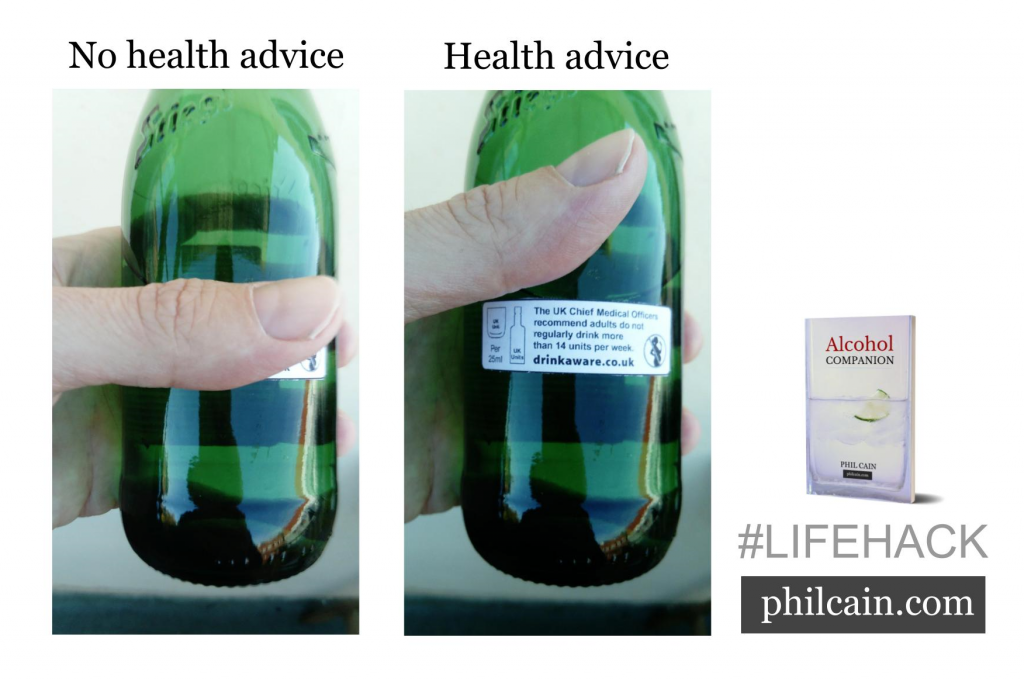

Note: Read here why the label used in the demonstration is currently set to be a rare sight in the UK. ■
[summary] Alcohol chapter of the Scottish Health Survey (2016) | National Statistics

January 10, 2024

  • The proportion of adults in Scotland drinking above the recommended maximum of 14 units per week fell from 34% in 2003 to 25% in 2013 and has stayed at a similar level since (25% in 2014 and 26% in 2015 and 2016).
  • Male drinkers were twice as likely to drink above the recommended maximum of 14 units a week than female drinkers.
  • The percentage of adults reporting that they do not drink alcohol increased significantly from 11% in 2003 to 16% in 2013, and has settled at that level since.
  • More adults reported not drinking alcohol in the most deprived areas (26%) than the least deprived areas (11%) (age-standardised).
  •  Those in the least deprived areas drank on more days on average (2.9 days) than those in the most deprived areas (2.3 days).
  •  Male drinkers consumed significantly more alcohol on their heaviest drinking day than female drinkers in 2015/2016 combined (8.4 units compared with 5.9 units respectively).
  • The average number of units of alcohol consumed by adults on their heaviest drinking day fell from 7.7 units in 2003 to 6.9 units in 2013, and has remained at a broadly similar level since then (7.3 units in 2016).
  • Drinkers aged 75 and over consumed less alcohol at one time, but drank with greater frequency, on average, than younger drinkers who tended to consume greater volumes of alcohol in fewer drinking sessions.
  • The proportion of adults who drank on more than 5 days in the last week has risen after a period of decline.

Source: http://www.gov.scot/Resource/0052/00525472.pdf

Fighting addiction on Pine Ridge Indian Reservation

January 10, 2024

Liquid genocide: alcohol destroyed Pine Ridge reservation – then they fought back

Source: www.theguardian.com/society/2017/sep/29/pine-ridge-indian-reservation-south-dakota

[book] Preventing Alcohol-Related Problems: Evidence and Community-based Initiatives | APHA Press

January 10, 2024

“… The book combines the latest research on community-level alcohol problems with success stories from community practitioners. …”
ISBN: 978-0-87553-291-2

Author: Edited by: Norman Giesbrecht and Linda M. Bosma
Publisher: APHA Press
Format: Soft Cover
Pages: 623
Publishing Date: 11/17

Source: secure.apha.org/imis/ItemDetail?iProductCode=978-087553-2912

Alcohol-free beer accepted in beer-drinking Germany

January 10, 2024

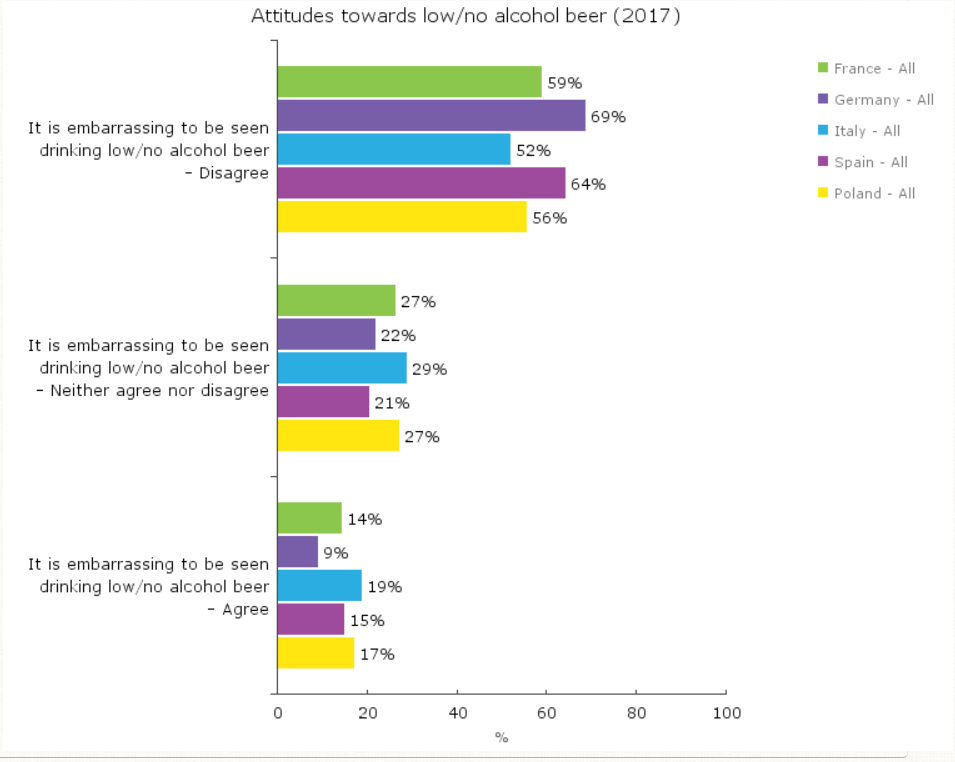
Relatively few people think it is embarrassing to drink alcohol-free beer in beer-drinking Germany compared to France, Italy, Poland and Spain, where wine and spirits are more popular.

Source: Mintel

Only 9% of Germans thought it was embarrassing to be caught in possession of an alcohol-free beer, compared to 14% of French, 19% of Italians, 15% of Spanish and 17% of Poles, according to the  survey (see chart).

The majority of people did not think it was embarrassing in all five countries, and more than one-in-five had no opinion either way. There are currently no equivalent figures for English-speaking countries.

Discreetly drinking alcohol-free beer, or other lookalike drinks, can be a good way to avoid social pressure to drink alcohol. ■

Festival adds eleven entries to Top of the Pops drinks chart

January 10, 2024

There are no fewer than eleven new additions to Alcohol Companion‘s Top of the Pops, a light-hearted shortlist of enjoyable alcohol-free drinks.

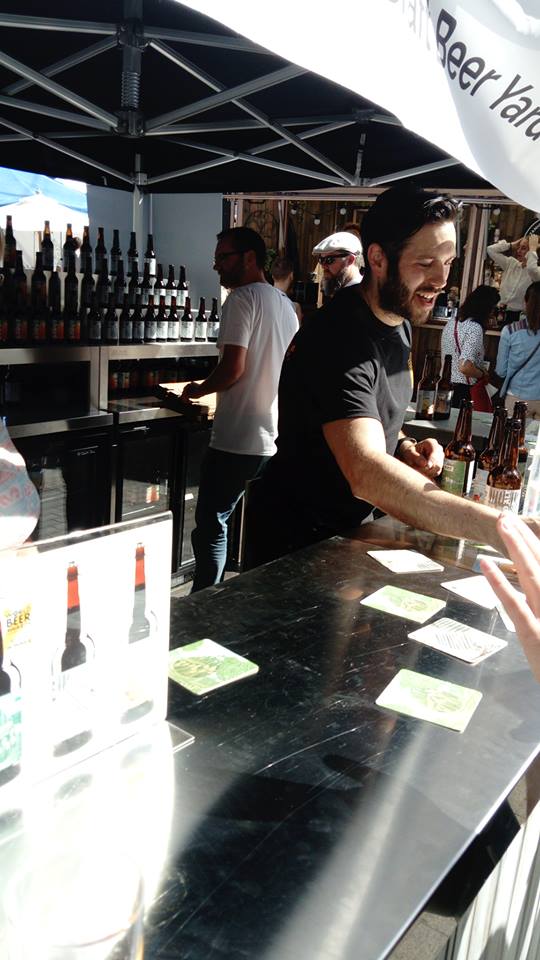
These come thanks to the enormous range of samples available at London’s first Mindful Drinking Festival on August 13th, the work of the Club Soda movement for mindful drinkers. 

The motherlode of new chart entries includes two wines: Bees Knees white and rose, brewed using bacterial rather than yeast fermentation; and Woodstar made from acia palm berries, botanicals and cocoa.

Beers make a strong showing too, with eight entries: Big Drop’s lactose-enhanced stout, pale ale, lager and spiced ale; Nirvana’s Karma pale ale, Kosmic stout and Tantra pale ale; and FitBeer, a low-calorie Bavarian-style lager.  

And there is one hard-to-categorise-drink: Botonique, a botanically-based soft drink for wine lovers. There were also many superior soft drinks and teas happy to be a drinking experiences all of their own.

Existing chart entries present included Eisberg’s wine, Heineken’s 0.0 lager; Seedlip alcohol-free spirit and St Peter’s craft ale. Doubtless there were other extraordinary liquid taste experiments unwittingly missed. ■

  • « Go to Previous Page
  • Page 1
  • Interim pages omitted …
  • Page 36
  • Page 37
  • Page 38
  • Page 39
  • Page 40
  • Interim pages omitted …
  • Page 50
  • Go to Next Page »

Copyright © 2026 · Phil Cain Impressum