• Skip to main content
  • Skip to primary sidebar

Alcohol Review

Alcohol understanding for all

  • Highlights
  • Events
    • AR2026
    • AR2025
    • Next year’s event
    • Earlier events
  • Register
  • About
    • Organisers
    • Contact
  • Log In

newsletter

Alcohol Review – Issue 111, March 10th 2025

March 10, 2025

Read the original
Benefit from being a full subscriber

In this issue:
Invitation: Join us at Alcohol Review 2025, March 20th
News: Tax cut ahead of Aus election; Indian ad clampdown; 0.0 loophole campaign; Canada’s bourbon blockade; Breakup drinking; Beer and sandwiches and more…
Briefing: AR2025 Spotlight session overview, so far
Opinion: The case for pure free time hedonism

Invitation

Alcohol Review 2025
March 20th, live online; Other sessions now available
Winning the narrative, sharing the benefits.
Please join us for exciting live sessions from acclaimed author of Dark PR, Grant Ennis, and UK public health leader Alice Wiseman. They will mark the launch of a growing collection of compelling recorded sessions from around the world, with contributions already from Alcohol Health Alliance UK, George Institute, European Consumers, and many more to come. Full subscribers can watch them already. Please check out this unfolding online event and join us.

News

Aussie rules: Australian Prime Minister Anthony Albanese temporarily halted raising draught beer tax in line with inflation in the runup to a general election due by May. Separately, the country’s northern territory decided to scrap the minimum alcohol price, to the alarm of health advocates.

Not cricket: India’s Union Healthy Ministry told the country’s top cricket league to ban all forms of alcohol and tobacco promotions, including surrogate advertisements, during the tournament beginning March 22, 2025.

0.0 campaign: Campaigners are urging Ireland’s government to close the loophole allowing the advertising of zero-alcohol drinks at sports events, using the catchline “close the l0.0phole”.

Bourbon blockade: Canada’s provincial governors are standing firm on stripping US alcohol products from shops despite US President Donal Trump suspending 25% tariffs. The reprieve is meant to end on April 2nd. Blocking bourbon sales is thought to be particularly persuasive because it is produced in heavily Trump supporting states.

Canada drier: The volume of alcohol sold in Canada fell by nearly 4% year-on-year last year 2023/2024, the largest volume decline ever recorded since Statistics Canada began tracking alcohol sales in 1949. Prices rose around 2.5%.

Beer and sandwiches: UK supermarket Sainsbury’s has begun selling alcohol-free beer as part of its lunchtime discount lunch deal. Critics say it will promote alcohol brands, normalise work time beer drinking and trigger alcohol cravings in people trying to cut down. Others fear a woeful breach of etiquette. 

Harmful consolation: Marriage breakups were found to increase the chance of regular drinking by 5%, a study of 13,000 Australians found. Women were more likely to increase regular drinking at the time of separation compared to men and their elevated consumption was more likely to persist.

Second-hand harm: The majority of Sri Lankan women have experienced problems because of the alcohol consumption of others,  said a survey from the country’s Alcohol and Drug Information Centre. And nearly two-thirds said they thought women’s rights are being violated when alcohol companies use women to promote their products,

Policy nearer: Cambodia is set to move a step closer to having a comprehensive alcohol policy this month with a white paper expected on March 24.

Driving warning: Warning messages about the risk of driving under the influence of alcohol will be displayed on the packaging of alcoholic drinks[in Korea, health officials said last month.

Briefing: Spotlight sessions so far
– full videos viewable for subscribers

Drones, robots and self-driving vending machines are likely to be used in alcohol delivery. Leon Booth from the George Institute explains how this might impact public health. Mary Madden from London Metropolitan University outlines research on the need to reset the alcohol brief intervention paradigm, called “Brief Interventions 2.0”. Asad Yusoff of the institute explains how “better for you” claims are used to market alcohol brands with dubious health claims. Alex Barker of Derby University explains how 818 Tequila branding sidesteps the rules in the “The Kardashians” TV show. The University of Victoria’s Andrea Cowan and Priya Johal explain the nuts and bolts of their newly launched KnowAlcohol website. 

Opinion


The case for pure free time hedonism
Resolving to cut back on alcohol, saving money and exercising are laudable goals, but not always compelling in themselves. We could take leaf out of the advertisers’ handbook book and look for activities which deliver the feelings and sensations we want. ■

Alcohol Review – Issue 110, January 31st 2025

January 31, 2025

Read on the homepage
Become a full subscriber

In this issue:
Invitation: Join Alcohol Review 2025
News: Outgoing Biden US Surgeon General sparks cancer warning debate; Investor drops alcohol stake; Psychedelic efforts hit high; Lo-no policy warning ignored; App assessed.
Features: Opinion: Alcohol-free beer hype is unhelpful; The case for pure free time hedonism; Put alcohol pleasure in perspective

Invitation

Alcohol Review 2025: Winning the narrative, sharing the benefits. With live sessions from acclaimed author Grant Ennis and UK public health leader Alice Wiseman. Impactful Spotlight sessions will highlight a series of cutting-edge developments. Full subscribers go free.
Subscribe, register and propose a session.

News

Outgoing Biden US Surgeon General sparks global cancer warning debate: Alcohol’s cancer risk made global headlines when outgoing Biden-appointed US Surgeon General said that alcohol products should carry warning labels. It is unclear which direction the nascent Trump administration will go with alcohol policy. In the meantime Pennsylvania House Representative Jose Giral proposed a bill which would require alcohol products in the Commonwealth to carry a warning. And Alaska revisited a plan to use signs to warn about cancer at point of sale. A second report was released to inform this year’s highly contested guideline revision. In India, meanwhile, the Bombay High Court last week notified central and state governments of a public interest litigation from a 24-year-old campaigner who wants to see alcohol cancer warning labels.

Investor drops alcohol stake: Investment manager Terry Smith dropped a long-held stake in alcohol giant Diageo, citing concerns over its new management team and the possibility that weight-loss drugs will reduce alcohol demand.

Psychedelic efforts hit high: Shares in the UK’s Solvonis Therapeutics Plc jumped after the FDA said it would allow its ketamine-based drug for alcohol problems to progress to phase two clinical trials. Separately, dimethyltryptamine (DMT), the active element in the traditional South American drug ayahuasca, is also to be investigated.

Lo-no policy warning ignored: Low-alcohol products carrying alcohol brands should face the same marketing restrictions as full-strength counterparts and always be cheaper, says new guidance from the UK’s Alcohol Health Alliance. Their producers should also not be part of policy discussion. This suggestion has yet to be heeded, however, with Public Health Minister Andrew Gwynne MP this week joining an alcohol industry lobbying exercise promoting the health benefits of low alcohol drinks. AR argued that a fixation on unproven benefits of low alcohol drinks pose a potential barrier to effective action.

App assessed: A study found that large-scale promotion of an app called “Drink Less” could reduce alcohol-related deaths by 4,600 and hospital admissions by 188,400 over the next 20 years,  saving the NHS £590m ($730m).

Features

Opinion: Alcohol-free beer hype is unhelpful
Heavy marketing has created a buzz around alcohol-free beer diverting vital public attention from surging rates of alcohol harm. The stakes are too high to let commercial hype eclipse evidence-based action.

Preview for full subscribers
The case for pure free time hedonism
The New Year is when many of us try to change our habits, resolving to cut back on alcohol, save money and exercise more. But we might also usefully take a step back to ensure our free time satisfies our appetite for feelings and sensation.

Message of the month

Put alcohol pleasure in perspective

Heavy marketing can make it seem that alcohol drinking is essential in pleasure when it really only plays a bit-part, and often a negative one. If we are serious about enjoying our spare time we might benefit from a more open, creative approach, as argued above. ■

Alcohol Review – Issue 109, December 23rd 2024

December 23, 2024

Read on the homepage

In this issue: Finns told less alcohol, better health; UK alcohol “catastrophe” highlighted’; US issues exceptionalist health report; Australian delivery proposals hailed; Saudi 2034 stadium drinking ban; Nigeria sachet ban enforcement

Register now for Alcohol Review 2025, a uniquely accessible, solution-focussed forum for everyone involved tackling alcohol harm worldwide. Showcase your research and action alongside an agenda-setting live online event. 

News:

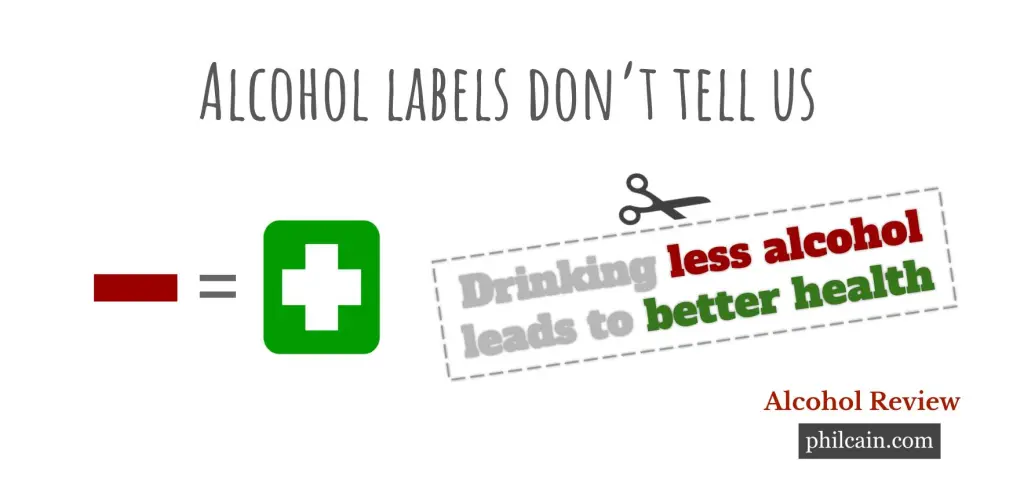
Finns told less alcohol, better health: New guidelines say drinking alcohol is not recommended for anyone for health and that any amount should be “as small as possible”. For children, young people, and pregnant and lactating women alcohol is “not recommended at all”. Seperately, South Korea’s health ministry said it was thinking of adding a label to say something similar. 

UK post-covid “catastrophe” highlighted: An alliance of 60 UK NGOs called for minimum alcohol pricing in England to help address a “catastrophic” 42% rise in alcohol deaths since the covid pandemic. The Labour government has so far done nothing to stem the tide of alcohol deaths, keeping alcohol taxes unchanged in real terms despite being elected on a manifesto saying it would focus on preventing health problems. Its Conservative predecessor actively stoked the surge in alcohol deaths with years of real terms alcohol tax cuts. Separately, figures showed alcohol deaths rose by almost two-thirds in the last decade across Northern Ireland where minimum pricing is on the agenda.

Exceptionalist US alcohol health report: A committee criticised for having financial ties to the alcohol industry and a lack of expertise said in a pre-publication report that moderate alcohol drinkers have a 16% lower all-cause mortality risk than non-drinkers. The National Academies of Sciences, Engineering, and Medicine committee’s pronouncement contradicts global authorities on the subject of alcohol, like the WHO, which says alcohol harms health even at low doses because it is carcinogenic. The report is expected to inform decision on updated dietary guidance.

Australia delivery restriction proposals hailed: Alcohol harm reduction campaigners welcomed proposed alcohol laws in South Australian which prioritise the health and wellbeing of women and children. Among the moves would be restricting alcohol delivery times, with late night alcohol deliveries thought to worsen domestic violence. Separately alcohol harm NGO FARE Australia announced the departure of its CEO of five years Caterina Giorgi, who will continue until the end of February.

Saudi World Cup stadium drinking ban: Football fans will be banned from drinking alcohol in stadiums at the 2034 World Cup in Saudi Arabia, the Guardian reported. It has not been announced whether co-branded alcohol-free beer will be allowed as it was at the Qatar tournament after a stadium alcohol ban was seemingly decided last minute. This gave the brand enormous global live TV and editorial exposure to audiences, includng many children and young people.

Nigeria sachet ban enforcement begins: The National Agency for Food and Drug Administration and Control seized alcoholic beverages packaged in sachets and small plastic bottles the southern Delta State this month. The agency said it expected to make more raids. Reports of the outlawed products still being openly sold in Lagos suggest an uphill battle.

Message of the month:

Alcohol, less is more: Reducing alcohol intake reduces the risks it poses to our health from the smallest amount. Fewer people know this than should. ■

Alcohol Review – Issue 108, November 15th 2024

November 15, 2024

Read on Substack

In this issue: EU alcohol labelling in limbo; US post-pandemic drinking stays high; Northern Ireland readies minimum pricing; Trump 2 brings uncertainty; Industry playbook outlined; Canada may pay availability price. Opinion: Alcohol-free beer hype is unhelpful.

Is this service helpful? Please join Alcohol Review‘s supporters and leave a testimonial

News:
EU alcohol labelling in limbo: MEPs are at loggerheads over proposed EU commissioners, not least the would-be health and animal welfare commissioner Oliver Varhelyi. He gave little reassurance the EU’s stalled alcohol nutrition and health labelling plans would move forward under him. A possible resolution may be to strip him of responsibility for reproductive rights and health preparedness, but that may still leave labelling in limbo.

US post-pandemic drinking up: Elevated levels of US alcohol consumption during the covid pandemic continued into 2022, found a new study. This would be consistent with US alcohol deaths that year being almost a third higher than before the pandemic. Little has been done, but Chicago Mayor Brandon Johnson is now proposing a tax hike of over 30%.

Northern Ireland readies minimum pricing: Stormont’s health minister said he is looking for executive approval for introducing minimum unit pricing for alcohol in Northern Ireland like that in Scotland.

Trump 2 brings uncertainty: The consequences of the second Trump administration for alcohol harm are unclear. Donald Trump is expected to give a prominent role in steering US health to prominent health conspiracy theorist RFK Jr. The industry, meanwhile, is fearful of tariff escalation. One analyst saw Brown-Forman, Constellation Brands and Diageo as possible casualties of a round of tariff raising.

Industry playbook outlined: The WHO launched an “Alcohol Policy Playbook” offering research contradicting commercial narratives and showing “no level of alcohol consumption is safe”.

Canada may pay availability price: Ontario’s widening of alcohol availability could result in a 40% rise in alcohol-attributable hospitalisations and 700 emergency room visits a day, a health coalition warned.

South African policy review: South Africa’s treasury has published a policy review paper on alcoholic beverage tax, including the possibility of introducing a minimum pricing and reforming taxes.

Opinion: [supporter preview]
Alcohol-free beer hype is unhelpful
Heavy marketing has created a buzz around alcohol-free beer diverting vital public attention from surging rates of alcohol harm. The stakes are too high to let commercial hype eclipse evidence-based action.

“What a great piece… the best, clearest thing I have read to date on the topic.”

Is this service helpful? Please join Alcohol Review‘s supporters and leave a testimonial

Alcohol messages

Chronic labelling failure: Around one-in-six alcohol labels in the UK fail to give the official 140ml per week low risk drinking guidelines eight years after their introduction, according to the alcohol industry’s own figures.

Alcohol risk made simple: The chance that alcohol causes our death increases rapidly with the amount consumed. Drinking under 140ml a week is estimated to keep the chances of an alcohol death below 1/100. The only way to make the risk zero risk is to not drink any.


Alcohol can cause brain damage and dementia: Drinking more than a small amount of alcohol increases the risk of developing dementia in later life and can cause early-onset dementia and brain damage.

Full list of shareable alcohol messages…

Is this service helpful? Please join Alcohol Review‘s supporters and leave a testimonial
■

Alcohol Review – issue 98, December 22nd 2023

January 10, 2024

Find this service useful?
Please join the Alcohol Review‘s supporters who make it possible

In this issue: Alcohol deaths hit record high in England; Study to see alcohol-free impact on young; Bingeing plus genetics multiply liver risk; Sperm impact longer than expected

Alcohol deaths hit record high in England

Alcohol-specific deaths rose 4.6% in 2022 in England and Wales, reaching the highest level on record, according to estimates from alcohol expert Colin Angus. The 36% rise since before the pandemic is higher than the alcohol death rises seen in Australia (30%) and the US (31%). Official figures are expected in February. Read more

Study to see alcohol-free impact on young

An Australian project will investigate the impact of promoting and using zero-alcohol drinks on young people’s perceptions and behaviour towards full strength alcohol. It will aim to find out if they act as a gateway to alcohol use or alcohol brand loyalty. Read more

Bingeing plus genetics multiply liver risk

People who binge drink and have a certain genetic makeup are six times more likely to develop alcohol-related cirrhosis says a new study. Read more

Sperm impact longer than expected

A father’s sperm is negatively impacted by alcohol drinking even during the withdrawal process, meaning it takes much longer than we previously thought for the sperm to return to normal, according to a new study. Read more 

*Get Alcohol books *Join Whatsapp group *Follow live on Twitter, LinkedIn

Alcohol Review – issue 99, January 29th 2024

January 10, 2024

Find this service useful?
Please join the Alcohol Review‘s supporters who make it possible

*Subscribe *Books *Whatsapp *Twitter, LinkedIn *ARchive

In this issue: Olympics strikes first global beer deal; Local alcohol levies mooted; Pope issues wine reminder; Smaller glasses cut drinking; US alcohol deaths state-by-state; and more

Olympic beer deal: The Olympics’ first ever global beer promotion deal drew sharp criticism from a range of UK health advocates, including the Association of Directors of Public Health. The deal to promote beer brands at the next two Olympics covers all brands in AB InBev’s portfolio, Alcohol Review was told. The Olympics organiser said the beer branding will not be seen in the field of play and will initially revolve around the Corona Cero alcohol-free brand, a modified version of the 4.5% brand. At the LA games in 2028 the emphasis will switch to the 3.5% Michelob Ultra brand, marketed as low calorie.

Local levies: Local levies on alcohol and other unhealthy products could raise funds and reduce inequality, said the left-leaning UK think tank IPPR in a new report. Such levies would top up £3bn funding from a Health Creation Fund, with poorer areas where unhealthy outlets cluster able to raise more money. Scottish Labour said earlier in the month that it is backing an alcohol levy.

Papal whine: Pope Francis was reported to have reminded Italian wine producers of their moral and ethical responsibilities, while reassuring them their product is a “gift from God”. His reminder may relate to the Italian industry being at the vanguard of resistance to nutrition and ingredients labels.

Glass ceiling: A study removing the largest glass of wine from sale in pubs cut the total amount of alcohol consumed by 7.6%, while income remained the same. One commentator suggested huge glasses are naff anyway, while another felt the discussion was a sure sign a full ban on alcohol is nigh.

US deaths state-by-state: Alcohol Review published a table of rises in US alcohol-induced deaths by state, using provisional CDC figures. They range from Mississippi with an 85% rise and New Jersey with 11%. PBS this month talked to the author of a new four-part series in the Denver Post on how alcohol has not been treated with the same urgency as opioids. Colorado, the CDC data says, is in the middle with a 32% in deaths.

Conflicted again: The US organisation assembling a committee to assess evidence for an update to alcohol guidelines has picked a Harvard professor with financial ties to the alcohol industry, having recently backtracked on the appointment of two people with such ties.

AI ageing: The UK government is considering the use of age assurance technologies, including age estimation to decide  if an individual is old enough to purchase age restricted products like alcohol.

*Subscribe *Books *Whatsapp *Twitter, LinkedIn *ARchive

  • « Go to Previous Page
  • Page 1
  • Page 2
  • Page 3
  • Page 4
  • Page 5
  • Page 6
  • Go to Next Page »

Primary Sidebar

  • Bluesky
  • Instagram
  • LinkedIn
  • Twitter
  • WhatsApp

Copyright © 2026 · Phil Cain Impressum

Manage Consent
To provide the best experiences, we use technologies like cookies to store and/or access device information. Consenting to these technologies will allow us to process data such as browsing behaviour or unique IDs on this site. Not consenting or withdrawing consent, may adversely affect certain features and functions.
Functional Always active
The technical storage or access is strictly necessary for the legitimate purpose of enabling the use of a specific service explicitly requested by the subscriber or user, or for the sole purpose of carrying out the transmission of a communication over an electronic communications network.
Preferences
The technical storage or access is necessary for the legitimate purpose of storing preferences that are not requested by the subscriber or user.
Statistics
The technical storage or access that is used exclusively for statistical purposes. The technical storage or access that is used exclusively for anonymous statistical purposes. Without a subpoena, voluntary compliance on the part of your Internet Service Provider, or additional records from a third party, information stored or retrieved for this purpose alone cannot usually be used to identify you.
Marketing
The technical storage or access is required to create user profiles to send advertising, or to track the user on a website or across several websites for similar marketing purposes.
  • Manage options
  • Manage services
  • Manage {vendor_count} vendors
  • Read more about these purposes
View preferences
  • {title}
  • {title}
  • {title}

Loading Comments...