• Skip to main content
  • Skip to primary sidebar

Alcohol Review

Alcohol understanding for all

  • Highlights
  • Events
    • AR2026
    • AR2025
    • Next year’s event
    • Earlier events
  • Register
  • About
    • Organisers
    • Contact
  • Log In

newsletter

Alcohol Review – Issue 123, May 7th 2026

May 7, 2026

Share your work at AR2026 Extra, full content access, join AR2027 live

In this issue: AR2026 Extra update. Nolos, no help; New screening method; Liver disease lowballed; How parents can do better; NYC cancer warning; Warning support; Ad ban effective. Opinion: Be wary of GLP-1 messaging. Message: Avoid alcohol at home

AR2026 Extra update

Alcohol is a major factor in gender-based violence, explains Sheila Gilheany of Alcohol Action Ireland, along with policies to tackle the problem. Watch AR2026’s live session on Alcohol and AI trailer and early release, for those registered with AR. Join AR2026 Extra

News

Nolos, no help: Drinks made as no- and low-alcohol alternatives to alcoholic drinks, or “nolos”, seem to play little role in the alcohol consumption of young Brits, found new research. There is no solid evidence of any significant effect for any other age group either. Share/comment

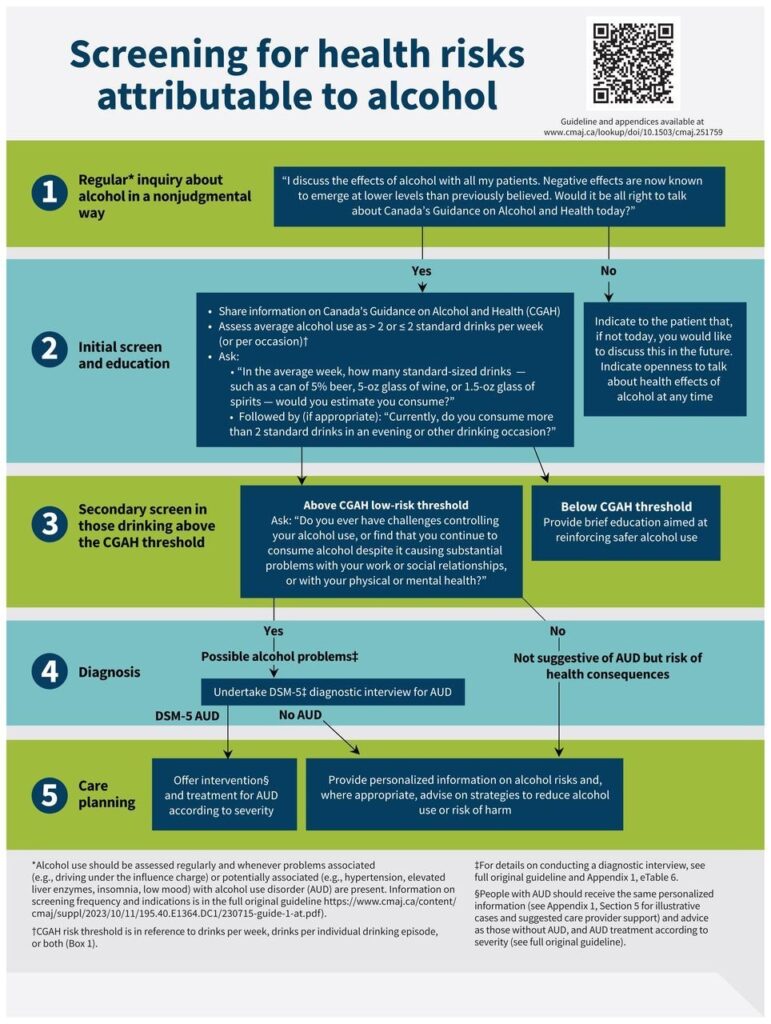
🎥 New screening method: Canadian experts this week proposed a new “timesaving and pragmatic approach” to alcohol screening, which they say is currently dysfunctional (method pictured). Watch the trailer, early release or await regular release of Alcohol Review’s interview  with Professor Evan Wood, one of the authors: Share/comment 

🎥 Liver disease lowballed: New research shows a dramatic underestimation of liver disease that is worsened by alcohol consumption, according to new research. Professor Zobair Younossi of Georgetown University explained the details to Alcohol Review. Share/Comment

🎥 How parents can do better: Parents should aim to shape household norms so that “alcohol is less central, less emotionally loaded and less available” to minimise harm to their children, according to new research. Alcohol Review found out more. Share/comment

Cancer warning: New York City launched a month-long campaign warning that drinking alcohol increases cancer risk. “To some our data may be a buzzkill, but it’s actually their buzz that can kill,” said the health commissioner. Share/comment 

Warning support: New alcohol warnings focussed on alcohol causing cancer, dementia, liver disease and hypertension are promising, according to a new study. Share/comment 

Ad ban effective: The full ban implemented in Lithuania in 2018 was associated with a 35% reduction in the mean frequency of intoxication among adolescents in 2019, compared with a less restrictive statutory control for some alcoholic beverages. Share/comment

Walker unoriginal: Alcohol giant Diageo is trying to trademark an alcohol-free variant of its Johnnie Walker whisky, the Grocer reports. It would be the UK’s first alcohol-free whisky spinoff, but it would not be the first time an alcohol-free sub-brand was used to advertise an alcoholic main brand. Share/comment

Negative verdict: A German court today banned a start-up from selling alcohol-free drinks using slogans containing the names of alcohol products, including “This is not rum,” “This is not whiskey” and “This is not gin”. Share/comment

Feature

Opinion: Be wary of GLP-1 messaging: People working to reduce alcohol harm may feel like celebrating the potential of GLP-1 diet drugs to help reduce alcohol consumption, but we should be wary of taking such findings at face value, argues AR editor Phil Cain. Share/comment

Message

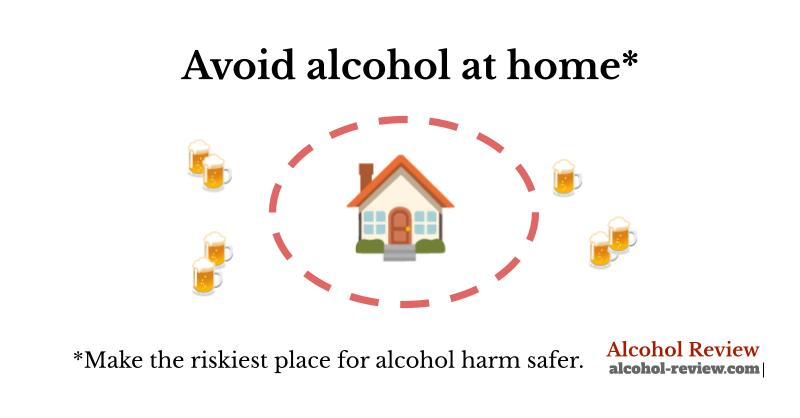
Avoid alcohol at home: Our homes are among the riskiest places for alcohol harm, so why not do something about it? Share/comment

Share your work at AR2026 Extra, full content access, join AR2027 live ■

Alcohol Review – Issue 122, March 23rd 2026

March 23, 2026

Join AR2026 on Thursday, disseminate your work in AR2026 Extra, and receive the full benefits

In this issue: Lobbying review: NZ deregulation; Strange stats; US deaths: Bingeing report; Sex differences; Cancer awareness; Age verification: Royal abstinence. Plus marketing to women and an AR message on bingeing

AR2026: Share your work and join the live discussion
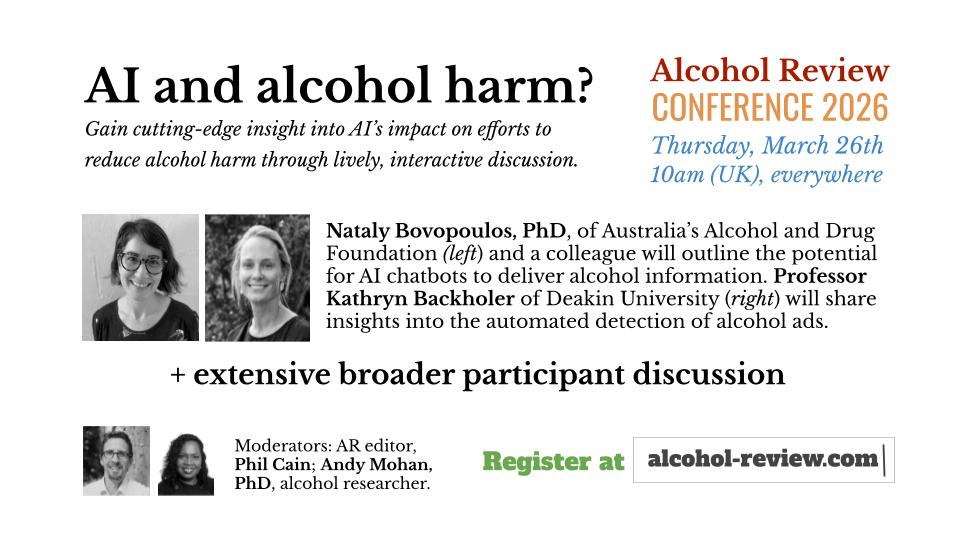
Register now to take advantage of a uniquely sustainable, accessible and efficient global engagement platform live. Take part in an exciting online discussion on alcohol harm and artificial intelligence Thursday March 26th; and disseminate your work to a highly-engaged global audience at AR2026 Extra. Please, check out last year’s event and secure your place.

News

Lobbying review: The UK will begin a review of lobbying rules, which critics say allow alcohol and other harmful product producers—and other narrow interests—undue influence over government policy. The move was widely praised by pro-democracy campaigners. The commission will look at declarations of ministers’ and officials’ financial interests; integrity data, including the lobbying consultant register; and rules intended to stop politicians and officials being swayed by future appointments. The move came in a letter from Prime Minister Keir Starmer to the chair of the recently created Ethics and Integrity Commission, Doug Chalmers. Comment

NZ deregulation: The New Zealand government plans to make sweeping reductions in the level of alcohol regulation. Among the critics of its proposals are Maori health organisations Ki Tua o Matariki and Hapai Te Hauora. Comment

Strange stats: The UK statistical office this month added alcohol-free beer to the list of goods used to track inflation to “represent an uncovered area of the alcohol market”. This is despite the fact there being no solid evidence alcohol-free beer replaces alcoholic products. Comment

US deaths: US deaths directly related to alcohol fell 4% last year compared to the year before, but remained 15% above pre-pandemic levels, according to early provisional full-year figures from the CDC. Comment

Bingeing report: Over half of all alcohol consumption is during binge drinking occasions, and the proportion is higher in some other countries, said a new Swedish report on binge drinking. And still it is a widely overlooked risk. Comment

Sex differences: Male and female brains show different reactions to stress and alcohol, possibly because central stress mechanisms in the brain are organised differently. Comment

Cancer awareness: Americans’ awareness of the link between drinking alcohol and elevated cancer risk remains unchanged since February 2025, despite its omission from the new US dietary guidelines. Comment

Age verification: The Greek government launched a new framework to prevent the sale of alcohol products to minors through the use of digital age verification tools. Comment

Tax proposal: A proposal to collect millions of dollars in from alcohol products in Colorado while preventing alcohol harm fell at committee stage, despite eloquent arguments for it. Comment

Royal abstinence: Kate Middleton, princess of Wales, said she has not “had much” alcohol since she received a cancer diagnosis. This sparked speculation and one anonymously sourced report that she is attempting to reduce the risk of a relapse. The report triggered others to report that some say Princess Anne does not drink alcohol, while disgraced former prince Andrew once said the same of himself. Comment

Delayed impact: Negative cognitive effects start to show up in middle-age—even after long periods of total abstinence—when mice self-medicate for stress in early adulthood, a study found. Comment

Betting boosts bingeing: The legalisation of online sports betting in the US has increased binge drinking frequency-at the intensive margin among young men by approximately 10%, according to a new study. Comment

Gen-Z binges: Binge drinking rates among gen Z in the UK have risen sharply since they were teenagers. Nearly a third of the now 23-year olds said binged at least once a month, up from 10% at age 17. Comment

Features

How glam, wellness, empowerment and escapism associations sell alcohol to women: Marketing associates alcohol with hyperfemininity, sexual glamour, wellness, strength and escapism, found researchers from Torrens University Australia. The impression is misleading, even if some women see through it. Comment

Interview: Crossing paths with Soberistas founder Lucy Rocca

Message

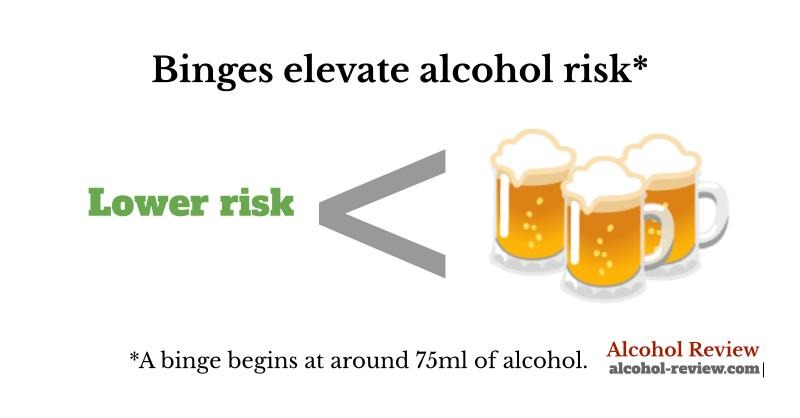
Bingeing is an overlooked risk: Avoiding the significant risks of alcohol bingeing means never drinking more than 75ml of alcohol on any one occasion, or around three beers, something that may be challenging.

Join AR2026 on Thursday, disseminate your work in AR2026 Extra, and receive the full benefits ■

Alcohol Review – Issue 121, February 26th 2026

February 26, 2026

Join the full newsletter, present and discuss live at AR2026

In this issue: Effective policy absent from cancer plan; Industry data shows no-los dwarfed; Ghana bans alcohol-stimulant mixers; South African taxes frozen; LGB+ at higher harm risk; Influencers influence, and more

AR2026: Share your work and join the live discussion
Register now to take advantage of a uniquely sustainable, accessible and efficient global engagement platform live. Take part in an exciting online discussion on alcohol harm and artificial intelligence on March 26th; and disseminate your work to a highly-engaged global audience. Please, check out last year’s event and secure your place.

News

Cancer plan critique: Experts welcomed a re-commitment to alcohol health warning labels in a new cancer plan for England this week, but highlighted the absence of evidence-based policies. Instead the plan looks to the unproven merits of lo-no drinks. [Comment/share]

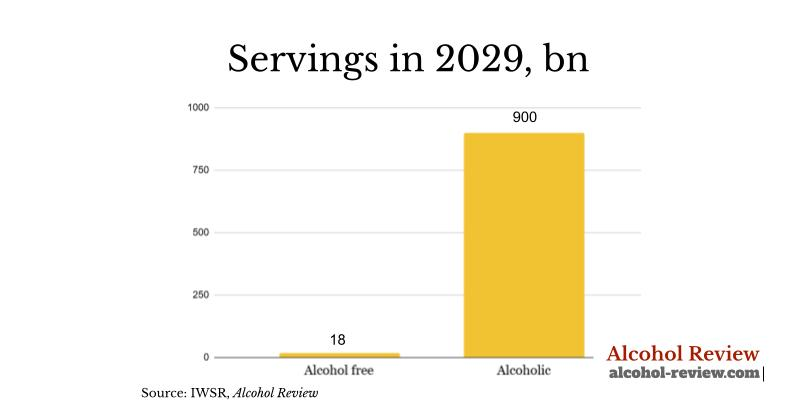
No-los dwarfed: A new alcohol industry forecast shows there is little chance of alcohol-free drinks reducing global alcohol consumption, which is an order of magnitude bigger with little evidence of erosion from alcohol-frees (see chart). [Comment/share]

Stimulant mixer ban: Ghana’s Food and Drugs Authority this week ordered the immediate removal of drinks containing a mix of alcohol and stimulants, like caffeine, ginseng and guarana from the Ghanaian market, citing growing public health concerns. [Comment/share]

Sachet clarification: Nigeria’s federal health ministry told the High Court that the National Agency for Food and Drug Administration and Control is fully empowered by law to enforce the ban on the production and sale of alcohol sachets. The statement follows a month of confusion and protest over the introduction of the long delayed ban. [Comment/share]

South African tax: South Africa’s Budget this week proposed increasing the tax in line with alcohol, meaning it is the same in real terms. The alcohol industry was relieved having feared there might be a genuine increase. [Comment/share] 

LGB+ risk: The risk of death directly attributable to alcohol among people identifying as lesbian, gay or bisexual was 1.8 times higher than among straight or heterosexual people, according to UK government statistics. [Comment/share]

Influencers influence: Exposure to alcohol-promoting social media content was associated with a desire to drink among young people, leading researchers to conclude “influencers may contribute to normalisation of alcohol consumption among young people”. [Comment/share] Another study found alcohol ads shape young people’s attitudes. [Comment/share]

Brands extended: Teenagers are unable to distinguish between non-alcoholic products and traditional alcoholic beverages when these are promoted through sports sponsorship, found a new study. [Comment/share]

Youth protection call: “Alcohol marketing ending up on under-18s’ screens via influencers and social media sponsorship is notably absent from the agenda,” said the Scottish Health Action on Alcohol Problems in response to the UK government’s plans to protect children online. [Comment/share]

Lobbying revealed: A new trove of documents revealed late last month showed how the alcohol industry aggressively campaigned for the UK government to drop alcohol marketing restrictions from its flagship health plan last year, as it did. [Comment/share]
Join the full newsletter, present and discuss live at AR2026 ■

Alcohol Review – Issue 120, January 16th 2026

January 16, 2026

Read original

Join newsletter and events directly or on Substack

In this issue: Scant affordability progress; US deaths surge on; Guidelines skip specifics; No-lo scrutiny call; Alcohol-free access; UK impact honours; Alcohol-free health minister. Opinion: Put alternative activities above alternative drinks

Join AR2026: Register now to participate in a unique event to underpin global efforts to reduce alcohol harm. Live online sessions on March 26th will look at Alcohol and artificial intelligence, while impactful video sessions spotlight all kinds of cutting-edge research, advocacy, ideas and innovations. Check out last year’s event, preview this year’s, and secure your place to discuss and present.

News

Scant affordability progress: Alcohol products were as affordable or became more affordable in most countries over the last few years, when evidence shows that reducing affordability is a crucial step to curbing alcohol harm, found a WHO report released yesterday. Share and discuss

US deaths surge on: US deaths directly attributable to alcohol are likely to have been at least 11% above the pre-pandemic level last year, extrapolating provisional figures from the CDC. Provisional totals tend to increase over time. Share and discuss

Specifics skipped: The Trump administration last week advised Americans to “consume less alcohol for better overall health” while dropping specific low-risk amounts from its guidance after 35 years. Alcohol harm experts had recommended the low-risk amount should be halved for men. Share and discuss

No-lo scrutiny call: “We should not take market-led solutions to public health problems at face value,” wrote a group of prominent alcohol harm researchers this week. And we should discount no-los as a solution until there’s evidence, argues AR. Share and discuss

Alcohol-free access: Separately the UK government said it will “explore measures to regulate access to no- and low-alcohol products in line with other alcoholic beverages”. This may include prohibiting sales to under-18s. Share and discuss

UK impact honours:The UK’s New Year’s Honours list today recognised six people working to reduce the impact of alcohol harm, a former frontbench Labour MP, a family judge and four public health directors. Share and discuss

Alcohol free health minister: Luxembourg’s health minister defended the government’s endorsement of the Dry January, having given up alcohol on taking the job. Share and discuss


Feature

Cutting down? Put alternative activities above alternative drinks

Alcohol-free drinks will not fill the gap left by omitting alcohol, so we should look to alternative activities instead. Share and discuss

Join newsletter and events directly or on Substack ■

Alcohol Review – Issue 119, December 27th 2025

December 27, 2025

Read original

Join newsletter and events directlyor on Substack

In this issue: Heart NGO calls for prevention; Nigeria u-turn; Polish tax veto; England deaths high; Alcohol’s injury toll; Minimum age rise benefits; Breast cancer contradiction; 0.0 rules: New highlights from AR2025

Join AR2026. Register now to participate in a unique event to underpin global efforts to reduce alcohol harm. Live online sessions on March 26th will look at Alcohol and artificial intelligence, while impactful video sessions spotlight all kins of cutting-edge research, advocacy, ideas and innovations. Check out last year’s event, preview this year’s, and secure your place.

Sizing up the AI wave
The global effort to curb alcohol harm will see a wave of change from the rollout of artificial intelligence, but how big will it be?

Sizing up the AI wave: The global effort to curb alcohol harm will see a wave of change from the rollout of artificial intelligence (AI), but how big will it be? Will it be a ripple, crashing breaker, tidal surge or shattering tsunami? 

News

Heart NGO calls for prevention: The EU should “shift from harm reduction toward a clear alcohol prevention approach, combining awareness, regulation and fiscal action”, the European Heart Network this month. 

“Any level of alcohol consumption carries cardiovascular risk; there is no risk-free threshold,” said the Brussels not-for-profit, justifying the need for this prevention-centred approach in a new position paper.

The paper calls for: mandatory energy and health warnings on all alcohol products; establish minimum taxes; restrict alcohol marketing and sponsorship, especially when they reach young people; the elimination of EU alcohol product subsidies; and raise public awareness of the cardiovascular risks. [Comment]

Nigeria’s sachet u-turn: Nigeria’s federal government this month ordered the immediate suspension of all enforcement activities related to the ban on sachet alcohol, which the Senate last month ordered to be enforced from December 31st. The  Socio-Economic Rights and Accountability Project NGO took legal action to prevent the federal government from blocking enforcement. [Comment]

Polish veto: Poland’s right-wing populist president President Karol Nawrocki vetoed a government bill which would have raised taxes on alcoholic drinks. [Comment]

England’s deaths remain high: Alcohol deaths in England were 32% above pre-pandemic levels in 2024, despite a 7% fall from the post-pandemic peak the year before. Over 9,000 more people died from causes directly linked to alcohol since the pandemic than if deaths were at 2019 levels. [Comment]

Alcohol’s high injury toll: Alcohol caused nearly a third of the 460,000 injury deaths in Europe in 2019, says a new WHO Regional Office for Europe report. Alcohol attributable self-harm was the biggest contributor, at just under a third of cases, followed by road injuries with half that. [Comment] 

Minimum age rise benefits: Increasing the minimum legal drinking age in some European countries reduced the cohort’s alcohol consumption and increased their exam performance, a study found. [Comment]

Breast cancer contradiction: A new study did not find evidence that alcohol consumption increases breast cancer risk, contradicting previous research, but it did confirm increased cancer risk for body parts directly exposed to alcohol. [Comment] 

EU 0.0 rules: The European Parliament this month agreed the term “alcohol-free” can be used together with the shorthand “0.0%” if a product’s is less than 0.05% alcohol by volume. [Comment]


Feature

New highlights from AR2025

Before the AR2026 on March 26th we have assembled a few new highlights from this year’s debut annual event.

“Nanny is killing us right now. Government is subsidising alcohol,” said Grant Ennis, author of Dark PR, in a live plenary session at AR2025. Watch the full session.

Participants learned how Knowalcohol.ca enables users to better understand Canada’s guidance on alcohol and health. Watch the full session.

How will the future of alcohol delivery look and how do people feel about it? AR2035 offered some insights. Watch the full session.

Alcohol companies use “better for you claims” in their marketing to distract from alcohol’s health harms, participants learned. Watch the full session.

Are there potential loopholes in UK laws on the TV placement of alcohol products? It would seem there are. Watch the full session.

The alcohol industry intimidates alcohol researchers around the world, delegates heard. Watch the full session 

Join newsletter and events directly or on Substack ■

Alcohol Review – Issue 118, November 28th 2025

November 28, 2025

Read original

Join newsletter and events directly or on Substack

In this issue: UK halts tax backsliding; Nigerian sachet deadline; Korean collaboration rules; Poland’s parliamentary bar closes; Recovery barriers identified and more. Plus Australia, harm reduction and artificial intelligence, with Professor Nicole Lee.

Join AR2026. You can register now to disseminate and learn about global efforts to reduce alcohol harm. Live online sessions on March 26th will look at Alcohol and artificial intelligence. But the event will look far beyond, showcasing cutting-edge research, advocacy, ideas and offerings of all kinds. Event participation is open to all paid newsletter subscribers, who also have full access to AR2025.

News

UK budget halts alcohol tax backsliding: The UK Chancellor Rachel Reeves this week gave respite from years of real terms alcohol tax cuts in her Budget statement, but made little headway on delivering on a manifesto promise to prioritise the prevention of health problems. [Share or comment]

Nigeria sets sachet deadline: Nigeria’s Senate this month told the National Agency for Food and Drug Administration and Control to end production and sale by December 31st 2025. The long-delayed move promped outrage from the alcohol industry. [Share or comment] 

Korea to tighten collaboration rules: Korea’s health ministry said it plans to impose stricter regulations on promotional collaborations between alcohol products and well-known food brands, saying such marketing appears to encourage alcohol consumption. [Share or comment]

Poland closes parliamentary bar: A cut-price bar in the Polish parliament bar closed this week following a decision by the Speaker, following a number of unruly incidents. [Share or comment]

Recovery barriers identified: The alcohol’s presence “poses a challenge to those seeking alcohol recovery and potentially increases the risk of relapse”, said a report highlighting half-a-dozen barriers to recovery. [Share or comment]

Abstinence savings estimated: Introducing minimum unit pricing across the UK could save £2.5bn, according to a report from Muslim faith informed think-tank Equi, which puts NHS savings from abstinence among Muslims at £1.6bn. [Share or comment]

Dry Australia imagined: Eliminating alcohol consumption in Australia would prevent more than 25m cases of disease and injury and more than 200 thousand deaths over 25 years, a study found. The cost saving would be A$55bn (US$36bn). [Share or comment] 


Feature

Australia, harm reduction and artificial intelligence: Less drinking among younger Australians has not outweighed harm within older cohorts, explains Professor Nicole Lee of the NGO Hello Sunday Morning and 360 Edge consultancy, who goes on to outline some of the applications and limits of artificial intelligence.

Join newsletter and events directly or on Substack ■

  • Page 1
  • Page 2
  • Page 3
  • Interim pages omitted …
  • Page 6
  • Go to Next Page »

Primary Sidebar

  • Bluesky
  • Instagram
  • LinkedIn
  • Twitter
  • WhatsApp

Copyright © 2026 · Phil Cain Impressum

Manage Consent
To provide the best experiences, we use technologies like cookies to store and/or access device information. Consenting to these technologies will allow us to process data such as browsing behaviour or unique IDs on this site. Not consenting or withdrawing consent, may adversely affect certain features and functions.
Functional Always active
The technical storage or access is strictly necessary for the legitimate purpose of enabling the use of a specific service explicitly requested by the subscriber or user, or for the sole purpose of carrying out the transmission of a communication over an electronic communications network.
Preferences
The technical storage or access is necessary for the legitimate purpose of storing preferences that are not requested by the subscriber or user.
Statistics
The technical storage or access that is used exclusively for statistical purposes. The technical storage or access that is used exclusively for anonymous statistical purposes. Without a subpoena, voluntary compliance on the part of your Internet Service Provider, or additional records from a third party, information stored or retrieved for this purpose alone cannot usually be used to identify you.
Marketing
The technical storage or access is required to create user profiles to send advertising, or to track the user on a website or across several websites for similar marketing purposes.
  • Manage options
  • Manage services
  • Manage {vendor_count} vendors
  • Read more about these purposes
View preferences
  • {title}
  • {title}
  • {title}

Loading Comments...