Alcohol-free beer offers a harmless way to transform our mistaken beliefs about alcoholic drinks into something positive, so we should welcome its increasing availability.
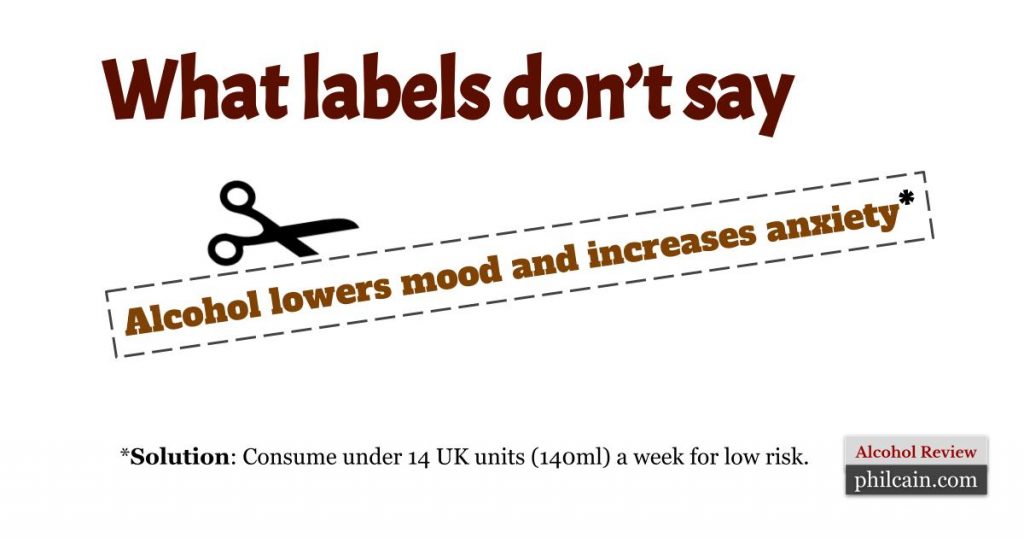
Alcohol is the opposite of the joyful, relaxing “social lubricant” we are led to think it is. Drinking more than a small amount—the UK guideline maximum being around 14 units (140ml) a week—is liable to making us grumpier, tenser, more socially clumsy and sleep less soundly.
Alcohol-free beer, by contrast, helps us fulfil many of the hopes we have of alcohol without suffering any downsides. Experiments show placebos like it make us more prosocial and at ease with each other, while leaving our brain function intact giving us no nasty side-effects.
This is partly because alcohol-free beer does a convincing impression of alcoholic beer, making us imagine some of the effects we want from its alcoholic brethren. Having a beer in hand also gives others the unmistakable signal we are up for some fun and laughter.
This amazing psychological freebie is growing ever more popular. Sales are spiking. Sainsbury’s said recently it is opening an alcohol-free pop-up pub to showcase its range of faux tipples. Heineken 0.0 launched in the US this year and alcohol-free Guinness is on Diageo’s drawing board.
Too good to be true?
The involvement of such corporate giants in the alcohol-free area raises understandable concerns. Surely they are using alcohol-free drinks as a trojan horse to turn consumers towards their alcoholic offerings? Surely they hope to gain the brand loyalty of our children?
Some liken selling alcohol free beer to minors to selling children candy cigarettes. We might be encouraged to get interested in Heineken 0.0 in our childhood to prime us for the real thing at 18. So it is that age restrictions for alcohol-free beer get the thumbs-up from many health advocates.
The concern is not any harmful substance within, but that the crossover branding may smooth a psychological pathway to heavy alcohol drinking. The concern is understandable, but it is unclear whether it is justified or if alcohol-free beer sales-restrictions help?
Habits picked up in our teenage years are likely to be sustained later in life. Earlier alcohol drinking, as we know, significantly increases the chances of problem drinking later. This is one reason it seems wrong to bar teenagers from buying alcohol-free beer, by far the better choice.
As teenagers we experiment with being grown up, finding problems and solutions in the process, depending on which experiments we select. How can we sensibly deny a low risk product many adults find helpful? I was boggled by this anomaly as a teenager already drinking alcohol.
And the branding-blur that causes worries can is also part of the value of alcohol-free products. The confusion it causes allows us to drink socially sans alcohol without being singled out as oddballs, as we almost certainly would if we were, say, sipping a cup of tea.
It pays to be wary, of course, but stymying alcohol companies’ for the sake of it may not always be the best strategy. Co-branding does expose non-drinkers to an alcohol brand, but the reverse is also true: a popular alcohol brand is broadened to embrace a non-alcoholic alternative.
There might also be resistance from retailers concerned that some might think they are wrongly thought to be selling alcohol to minors. Some kind of solution could surely be found to minimise the risk of this happening. Perhaps they could use a “not alcohol” bag or sticker?
And others arguing for maintaining age restrictions may have less charitable motives. Keeping age restrictions hinders access to a harm-free alternative to their addictive product. I, for one, would have been better off for being allowed to discover alcohol-free beer’s potential earlier.
Staying open to solutions
This debate clearly needs to be informed by more research. We need to know how alcohol-free beer is used and seen by different age-groups. We also need to discover the real effects of alcohol-free/alcoholic co-branding rather than simply speculating.
There are some untoward effects we should investigate. People trying to curb their drinking sometimes complain that alcohol-free beer can trigger craving. This is not surprising when images of alcoholic drinks are enough to do this. And relying too much on alcohol-free beer could mean we enter social drinking situations where relapse is more likely.
But, while accepting these potential downsides, it seems alcohol-free beer does also help many adults in their bid to reduce their alcohol consumption. And it may well also help teenagers practice the key skills needed to establish a low-risk drinking habit from the off. It may prove to be a help overall, rather than a first step on a slippery slope to problem drinking.
Alcohol-free beer has some profound lessons for us. It opens our eyes to the fact that having positive expectations and beliefs, coupled with an accepting social environment, can have uplifting effects. This part of our nature we would do well to recognise and harness early.
Anyone involved in the discussion around alcohol can be forgiven for developing a cynical streak, but we must also be ready to make the most of solutions whenever they appear. ■