• Skip to main content
  • Skip to primary sidebar

Alcohol Review

Alcohol understanding for all

  • Highlights
    • Messages
    • Newsletters
    • AR Live
  • Events
    • AR2026
    • AR2025
    • Next year’s event
    • Earlier events
  • Join
  • About
    • Organisers
    • Contact
  • Log In

philcain

Alcohol Review – Issue 122, March 23rd 2026

March 23, 2026

Join AR2026 on Thursday, disseminate your work in AR2026 Extra, and receive the full benefits

In this issue: Lobbying review: NZ deregulation; Strange stats; US deaths: Bingeing report; Sex differences; Cancer awareness; Age verification: Royal abstinence. Plus marketing to women and an AR message on bingeing
AR2026: Share your work and join the live discussion
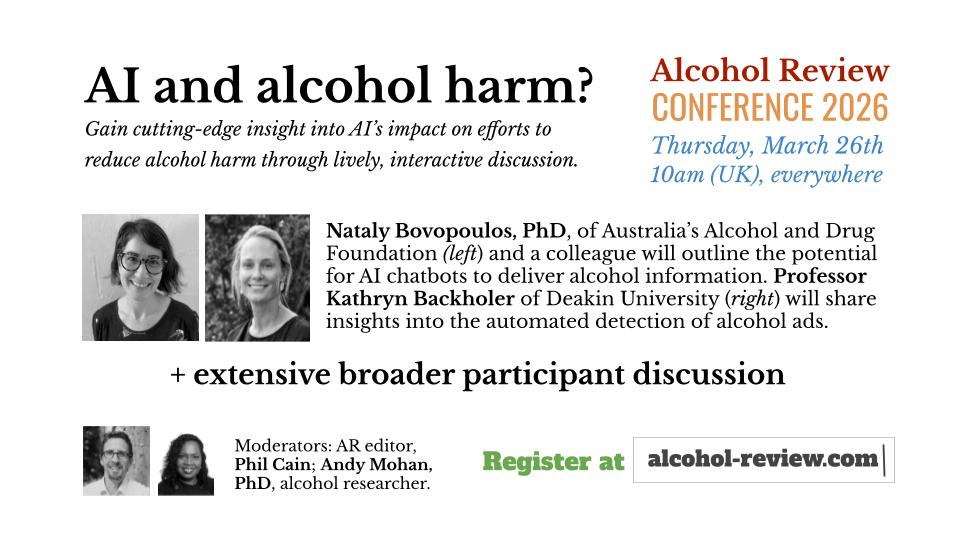
Register now to take advantage of a uniquely sustainable, accessible and efficient global engagement platform live. Take part in an exciting online discussion on alcohol harm and artificial intelligence Thursday March 26th; and disseminate your work to a highly-engaged global audience at AR2026 Extra. Please, check out last year’s event and secure your place.

News

Lobbying review: The UK will begin a review of lobbying rules, which critics say allow alcohol and other harmful product producers—and other narrow interests—undue influence over government policy. The move was widely praised by pro-democracy campaigners. The commission will look at declarations of ministers’ and officials’ financial interests; integrity data, including the lobbying consultant register; and rules intended to stop politicians and officials being swayed by future appointments. The move came in a letter from Prime Minister Keir Starmer to the chair of the recently created Ethics and Integrity Commission, Doug Chalmers. Comment

NZ deregulation: The New Zealand government plans to make sweeping reductions in the level of alcohol regulation. Among the critics of its proposals are Maori health organisations Ki Tua o Matariki and Hapai Te Hauora. Comment

Strange stats: The UK statistical office this month added alcohol-free beer to the list of goods used to track inflation to “represent an uncovered area of the alcohol market”. This is despite the fact there being no solid evidence alcohol-free beer replaces alcoholic products. Comment

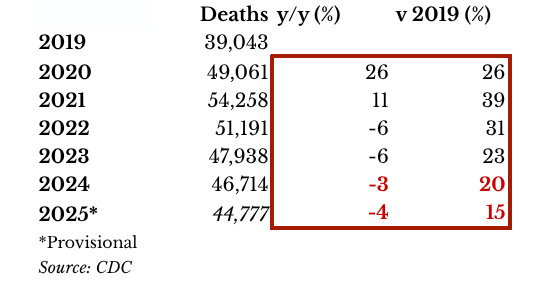
US deaths: US deaths directly related to alcohol fell 4% last year compared to the year before, but remained 15% above pre-pandemic levels, according to early provisional full-year figures from the CDC. Comment

Bingeing report: Over half of all alcohol consumption is during binge drinking occasions, and the proportion is higher in some other countries, said a new Swedish report on binge drinking. And still it is a widely overlooked risk. Comment

Sex differences: Male and female brains show different reactions to stress and alcohol, possibly because central stress mechanisms in the brain are organised differently. Comment

Cancer awareness: Americans’ awareness of the link between drinking alcohol and elevated cancer risk remains unchanged since February 2025, despite its omission from the new US dietary guidelines. Comment

Age verification: The Greek government launched a new framework to prevent the sale of alcohol products to minors through the use of digital age verification tools. Comment

Tax proposal: A proposal to collect millions of dollars in from alcohol products in Colorado while preventing alcohol harm fell at committee stage, despite eloquent arguments for it. Comment

Royal abstinence: Kate Middleton, princess of Wales, said she has not “had much” alcohol since she received a cancer diagnosis. This sparked speculation and one anonymously sourced report that she is attempting to reduce the risk of a relapse. The report triggered others to report that some say Princess Anne does not drink alcohol, while disgraced former prince Andrew once said the same of himself. Comment

Delayed impact: Negative cognitive effects start to show up in middle-age—even after long periods of total abstinence—when mice self-medicate for stress in early adulthood, a study found. Comment

Betting boosts bingeing: The legalisation of online sports betting in the US has increased binge drinking frequency-at the intensive margin among young men by approximately 10%, according to a new study. Comment

Gen-Z binges: Binge drinking rates among gen Z in the UK have risen sharply since they were teenagers. Nearly a third of the now 23-year olds said binged at least once a month, up from 10% at age 17. Comment

Features

How glam, wellness, empowerment and escapism associations sell alcohol to women: Marketing associates alcohol with hyperfemininity, sexual glamour, wellness, strength and escapism, found researchers from Torrens University Australia. The impression is misleading, even if some women see through it. Comment

Interview: Crossing paths with Soberistas founder Lucy Rocca

Message
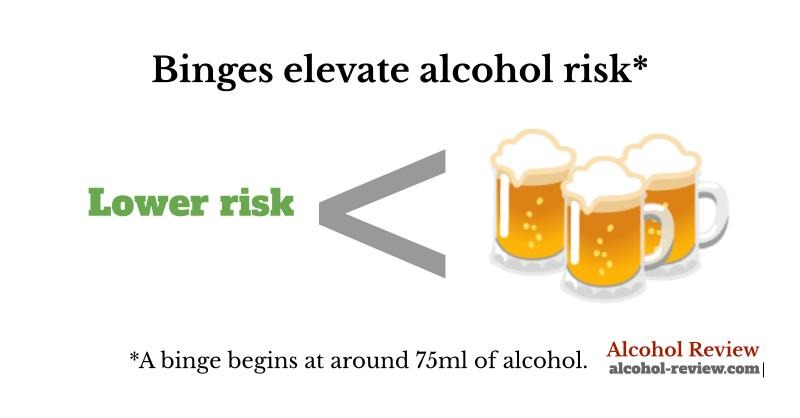
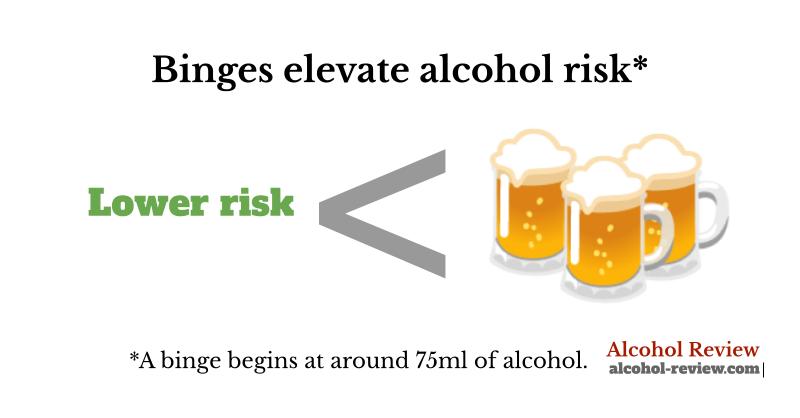
Bingeing is an overlooked risk: Avoiding the significant risks of alcohol bingeing means never drinking more than 75ml of alcohol on any one occasion, or around three beers, something that may be challenging.

Join AR2026 on Thursday, disseminate your work in AR2026 Extra, and receive the full benefits ■
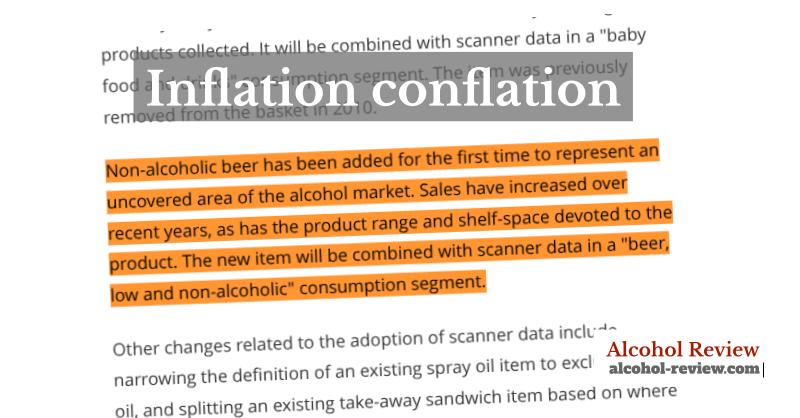
UK tracks AF beer for alcohol inflation

March 16, 2026

The UK’s official statistics office today said it added alcohol-free beer to the list of goods it uses to monitor inflation to “represent an uncovered area of the alcohol market”.

It unclear how a product containing no alcohol represents ones containing alcohol. Nobody knows the extent to which alcohol-free beer replaces alcoholic products. Its price is also not subject to alcohol tax or minimum pricing.

“There is currently no clear evidence for no-lo drinks taking the place of alcohol products to any significant degree,” a group of experts wrote in January.

AR Hype around the evidence-free idea that alcohol-free beer is reducing alcohol harm is arguably distacting attention from policies which are known to work. ■

How glam, wellness, empowerment and escapism associations sell alcohol to women

March 11, 2026

By Kristen Foley, Belinda Lunnay  and Paul Ward, including photos*

Ellidy pops into the bottle shop on her way out to dinner with friends.

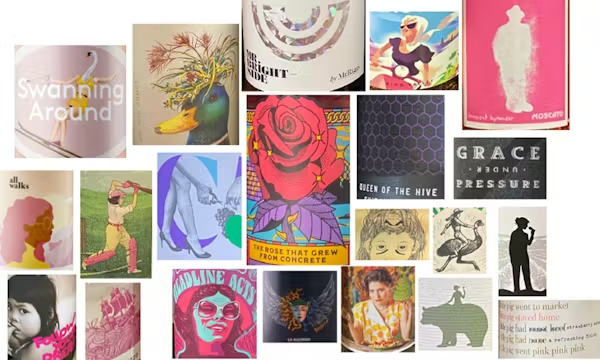
She’s faced with rows of evocative labels – using artwork, imagery and symbols to help portray the essence and style of the alcohol on sale.

She narrows it down by wine variety, something local and in her price range. She chooses between two eye-catching labels: one with vivid pink flowers and another with a young woman’s face on the label, hidden by clouds.

She grabs one she thinks will mean something to the group of people she’s going to see.

Ellidy is a fictional shopper. But the labels she’s faced with are real examples from our research on how alcohol labels are designed to appeal to women.

This includes pink labels, and those featuring women’s body parts, high heels or needlework.

Here’s what else our research, published in the International Journal of Drug Policy, found.

We analysed 473 products – including wine, spirits and ready-to-drink products – and spotted five themes.

1. Pink, purple and glitter
Companies used pink, purple, petals and glitz, such as glitter, embossed glass, sparkles, and images of diamonds, in the product design and labe (pictured top).

This “pinkwashing” appeals to some women. But it perpetuates the stereotype of the pink, hyper-feminine consumer.

2. Names, bodies and body parts
Labels featured stereotypical and sexualised versions of women’s names, bodies and body parts. Examples included names such as “la femme” and “madame sass”, and images depicting breasts and an orgy (pictured).

Australia’s alcohol advertising code prohibits advertising that suggests social, sexual or other success.

3. Wellness
Our analysis found labels suggested alcohol was a form of wellness, balance and connection (pictured).

This included a wine called “Mother’s Milk”. This suggests alcohol may provide replenishment in a woman’s life and care for her as she cares for others.

Another was “One Lovely Day”, which featured young women holding hands in a forest.

4. Strong women
Alcohol promoted women’s strength, resilience and confidence. For instance, it showed them in positions traditionally associated with men, playing cricket, owning a vineyard, or exercising choice and power (pictured).

These depictions are typical of postfeminism, sometimes called “backlash” feminism, which focuses on individual women who succeed in the face of gendered adversity. This may be “doing it all” while keeping a happy, confident and “feminine” disposition.

Their success is then used to downplay the structural forces that disadvantage women. This includes sexism and misogyny, as well as gendered expectations around unpaid care and emotional labour.

Examples in this category included wines featured children with shiny purple and pink text saying “follow your dreams” or “chin up”.

5. Escaping reality
This group of products promoted the dissipation and disassociation alcohol can enable. This includes the wine label Ellidy looked at with clouds drifting over a woman’s face (pictured).

These kinds of marketing suggest alcohol can provide psychological distance from life’s pressures, somewhat like anaesthetic.

We found products that referenced mental health states such as “muddled up moscato” or “better days”. Others reflected desires for freedom, revelry or rest, such as “freebird”, “tail spin” or “silence”.

Reinforcing stereotypes
Marketing alcohol this way can reproduce harmful gendered stereotypes.

Such “femmewashing” can also be confusing for women. Alcohol may be marketed as sexy, empowering and offering escapism. Yet there’s a growing understanding of the health risks of drinking alcohol, including breast cancer.

And while it is laudable for companies to recognise women and celebrate their strengths and talents, not everyone’s a fan of this type of gendered marketing. Some feel powerless to stop it.

In other research, Australian women told us it communicates that women need to be hyper-feminine, sexy and happy if they want to succeed.

As part of Kristen’s PhD research, one woman said:

I think that there should be regulation of it […] it’s very cynical and destructive, I totally see that.

Another participant said women were conscious they were being targeted to prop up industry profits:

Large companies clearly prey on exhausted, time-poor women tempting them to find their ‘me time’ in a glass or several of wine.

Is this legal?
Our research with women shows they can often see through this marketing spin. However, it can also work in the background to reinforce harmful gendered norms, and associate drinking with femininity.

In Australia, there is no current regulatory mechanism to restrict gendered alcohol marketing, but this is needed for a number of reasons. For a start, it would bring Australia into line with World Health Organization advice to reduce gender stereotypes in alcohol control policies.

We also need to be cautious of repurposing feminism as a cheap gimmick to market empowerment as a commodity.

Some suggest commoditising feminism ironically worsens gender inequality by hiding its social and political drivers. It gives the impression that merely buying the right products will enable you to succeed as a woman. ■

*Note: All of Torrens University Australia. This article is republished from The Conversation under a Creative Commons license.

Bingeing is an overlooked risk

March 9, 2026

In many places most alcohol drinking occasions are binges, increasing the risk of depression, anxiety, suicide, accidents, violence, alcohol dependence, and dementia, says a new report from Sweden. The pattern is also very common among people who drink what would be a low-risk total for a week in binges. To avoid taking the significant risks of bingeing means never drinking more than 75ml of alcohol on any one occasion. This may mean an upper limit of around three beers on any one occasion, something that is likely to be challenging. ■


US alcohol deaths down but still elevated

March 2, 2026

US alcohol specific deaths fell by 4% last year compared to the year before while remaining 15% above pre-pandemic levels, according to early provisional full-year figures from the CDC. The total is likely to rise by a few percentage points over the coming months before a final figure is published early next year. The early provisional total for 2024 rose by around a thousand from the early provisional figure. ■

Crossing paths with Lucy Rocca

February 27, 2026

Sober coach Lucy Rocca has been at the forefront of efforts to deal with a wide spectrum alcohol drinking problems since 2011, when she began to remake an alcohol relationship shaped in boozy 90s Britain. The effort led her to create Soberistas, a large online community that has since supported many thousands. She explores some of her own difficulties and worries that are more often faced by women, as well as policies which might improve the situation. We end by asking if the personal touch will still matter as we move into the age of AI? ■

  • « Go to Previous Page
  • Page 1
  • Interim pages omitted …
  • Page 6
  • Page 7
  • Page 8
  • Page 9
  • Page 10
  • Interim pages omitted …
  • Page 57
  • Go to Next Page »

Primary Sidebar

  • Bluesky
  • Instagram
  • LinkedIn
  • Twitter
  • WhatsApp

Copyright © 2026 · Phil Cain Impressum

Manage Consent
To provide the best experiences, we use technologies like cookies to store and/or access device information. Consenting to these technologies will allow us to process data such as browsing behaviour or unique IDs on this site. Not consenting or withdrawing consent, may adversely affect certain features and functions.
Functional Always active
The technical storage or access is strictly necessary for the legitimate purpose of enabling the use of a specific service explicitly requested by the subscriber or user, or for the sole purpose of carrying out the transmission of a communication over an electronic communications network.
Preferences
The technical storage or access is necessary for the legitimate purpose of storing preferences that are not requested by the subscriber or user.
Statistics
The technical storage or access that is used exclusively for statistical purposes. The technical storage or access that is used exclusively for anonymous statistical purposes. Without a subpoena, voluntary compliance on the part of your Internet Service Provider, or additional records from a third party, information stored or retrieved for this purpose alone cannot usually be used to identify you.
Marketing
The technical storage or access is required to create user profiles to send advertising, or to track the user on a website or across several websites for similar marketing purposes.
  • Manage options
  • Manage services
  • Manage {vendor_count} vendors
  • Read more about these purposes
View preferences
  • {title}
  • {title}
  • {title}
Loading Comments...